Why Understanding Fuse Board Replacement Cost Matters for Your Safety and Budget
The
fuse board replacement cost typically ranges from
$500 to $1,200 for most residential properties, though complex projects can reach
$4,500 or more when extensive rewiring is needed.
Quick Cost Breakdown:
| Project Type |
Average Cost Range |
| Basic 6-10 circuit panel replacement |
$500 - $700 |
| Standard 10-12 circuit upgrade |
$700 - $1,000 |
| High-capacity 200-amp system |
$1,500 - $2,000 |
| Full upgrade with rewiring |
$2,000 - $4,500 |
Your electrical panel is the heart of your home's power system. When it fails or becomes outdated, you're not just dealing with inconvenience—you're facing a serious
safety risk. Old fuse boxes can't handle modern electrical demands, leading to frequent power interruptions, potential fire hazards, and even insurance complications.
Many homeowners delay this upgrade because they're unsure about the investment. That's understandable. But here's the reality:
more than 50% of home buyers say they would pay more for a home with an updated electrical system. Beyond resale value, a modern circuit breaker panel protects your family and gives you the capacity to power today's appliances, smart home devices, and electric vehicles.
The cost varies widely based on your specific situation. A straightforward panel swap in an accessible location costs far less than a complete service upgrade with new wiring. Factors like your home's age, existing electrical infrastructure, local permit requirements, and the amperage you need all play a role in the final price tag.
I'm Ed Sartell, and I've been helping Massachusetts homeowners and businesses steer electrical upgrades since founding Sartell Electrical Services in 1985. Over nearly four decades, I've seen how understanding
fuse board replacement cost upfront helps clients make confident decisions about their electrical systems. Whether you're addressing safety concerns, planning a renovation, or simply future-proofing your property, knowing what to expect financially makes the entire process smoother.
Understanding Your Fuse Box: Signs and Reasons for an Upgrade
At Sartell Electrical Services, we understand that the electrical panel might not be the most glamorous part of your home, but it's undoubtedly one of the most critical. Think of your fuse box or electrical panel as your home's electrical command center. It safely distributes electricity to all the circuits in your home, protecting your appliances and, more importantly, your family from dangerous overloads and short circuits.
However, many homes, especially older ones in Massachusetts, still rely on outdated fuse boxes. While they were once the standard, these systems are simply not equipped to handle the demands of our modern, gadget-filled lives. This makes them obsolete technology, posing significant electrical safety risks. Upgrading to a modern circuit breaker panel isn't just about convenience; it's about essential safety and efficiency.
Want to know more about keeping your home's electrical system up to snuff? Check out our
Residential Electrical Upgrades guide and learn about crucial
Electrical Safety Checks that can keep your family safe.
Signs Your Fuse Box Needs Replacement
Your home's electrical system usually gives you clues when it's struggling. Ignoring these signs can lead to serious problems down the line. Here are the most common red flags that indicate it's time to consider a
fuse board replacement cost:
- Frequent Blown Fuses or Tripping Breakers: If you're constantly replacing fuses or resetting circuit breakers, it's a sign your system is overloaded or has underlying issues. Older fuse boxes, in particular, weren't designed for today's power hungry devices.
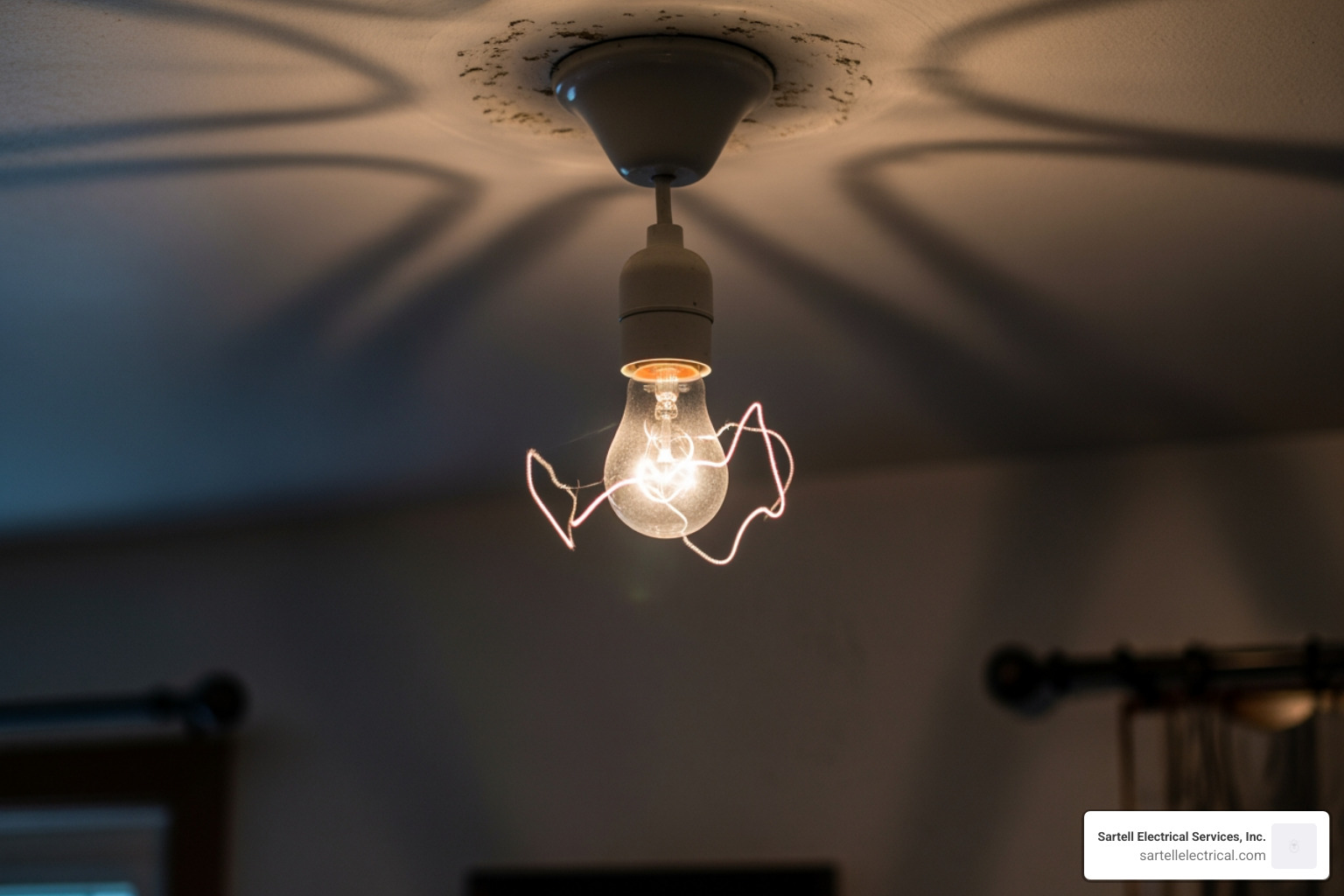
- Dimming or Flickering Lights: When lights dim or flicker, especially when an appliance turns on, it suggests your electrical system can't provide consistent power. It's like your home is trying to juggle too many balls at once!
- Burning Smells: This is a serious warning. A burning odor emanating from outlets, switches, or the fuse box itself indicates overheating wires or components, which is a major fire hazard.
- Scorch Marks: Visible scorch marks or discoloration around outlets or the fuse box are clear indicators of electrical arcing or overheating. If you see these, call an electrician immediately.
- Humming or Buzzing Noises: While a faint hum can be normal, loud or persistent buzzing, crackling, or popping sounds from your electrical panel are not. These noises often signal loose wiring or faulty components that require professional attention.
- Outdated 60-Amp Service: Many homes built before the 1960s in Massachusetts might still have 60-amp electrical service. Modern homes typically require 100-amp, 150-amp, or even 200-amp service to safely power all appliances and electronics. A 60-amp panel is simply insufficient for today's needs.
- Federal Pacific Electric (FPE) Panels: If your home has a Federal Pacific Electric (FPE) Stab-Lok panel, we strongly recommend having it inspected and replaced. These panels, installed in many homes from the 1950s through the 1990s, were investigated by the United States Consumer Safety Commission due to known design flaws that can cause breakers to fail to trip, leading to fire hazards. You can read more about the Investigation of FPE Circuit Breakers.
Benefits of Upgrading to a Modern Panel
Upgrading your electrical panel from an old fuse box to a modern circuit breaker system offers a wealth of advantages, making the
fuse board replacement cost a worthwhile investment:
- Increased Safety: Modern panels are equipped with advanced safety features like Residual Current Devices (RCDs), Arc Fault Circuit Interrupters (AFCIs), and Ground Fault Circuit Interrupters (GFCIs). These devices instantly detect and interrupt dangerous current leaks, protecting against electrical shocks and reducing the risk of fires.
- Higher Electrical Capacity: Today's homes are packed with more electronics and appliances than ever before. A modern panel provides the necessary amperage to support everything from smart home systems to high-efficiency HVAC units without constant tripping or overloads.
- Prevents Overloads: Circuit breakers automatically trip when a circuit is overloaded, preventing wires from overheating and potentially causing a fire. Unlike fuses, which need to be replaced, breakers can simply be reset, making them far more convenient.
- Lower Insurance Premiums: Some insurance companies view outdated fuse boxes as a higher risk due to potential fire hazards. Upgrading to a modern panel can sometimes lead to lower homeowner's insurance premiums.
- Increased Home Value: As we mentioned, over 50% of home buyers are willing to pay more for a home with an updated electrical system. It signals to potential buyers that the home is safe, well-maintained, and ready for modern living. This is a significant factor in our Massachusetts real estate market.
Ready to explore how a new panel can benefit your home? Dive into our
Home Electrical Panel Upgrades guide.
The National Average Fuse Board Replacement Cost
When you're considering a
fuse board replacement cost, it's helpful to understand the national averages, though prices in Massachusetts can sometimes be higher due to regional labor and material costs. On average, the cost for a circuit breaker panel or fuse box installation ranges from
$330 to $842, with most professionals charging around
$514. However, we've seen projects range from as low as $49 for minor repairs to as high as $3,675 for more extensive work.
Replacing an older fuse box with a new circuit breaker panel typically falls between
$1,500 and $2,000. If your home's wiring needs a complete overhaul alongside the panel replacement, the cost could go up to
$4,500 or even
$5,800. These figures reflect the comprehensive nature of such an upgrade, encompassing materials, labor, and necessary safety improvements.
For a deeper dive into these costs, our
Electrical Panel Change Cost Guide and
Electrical Panel Upgrade Cost Guide 2025 offer valuable insights.
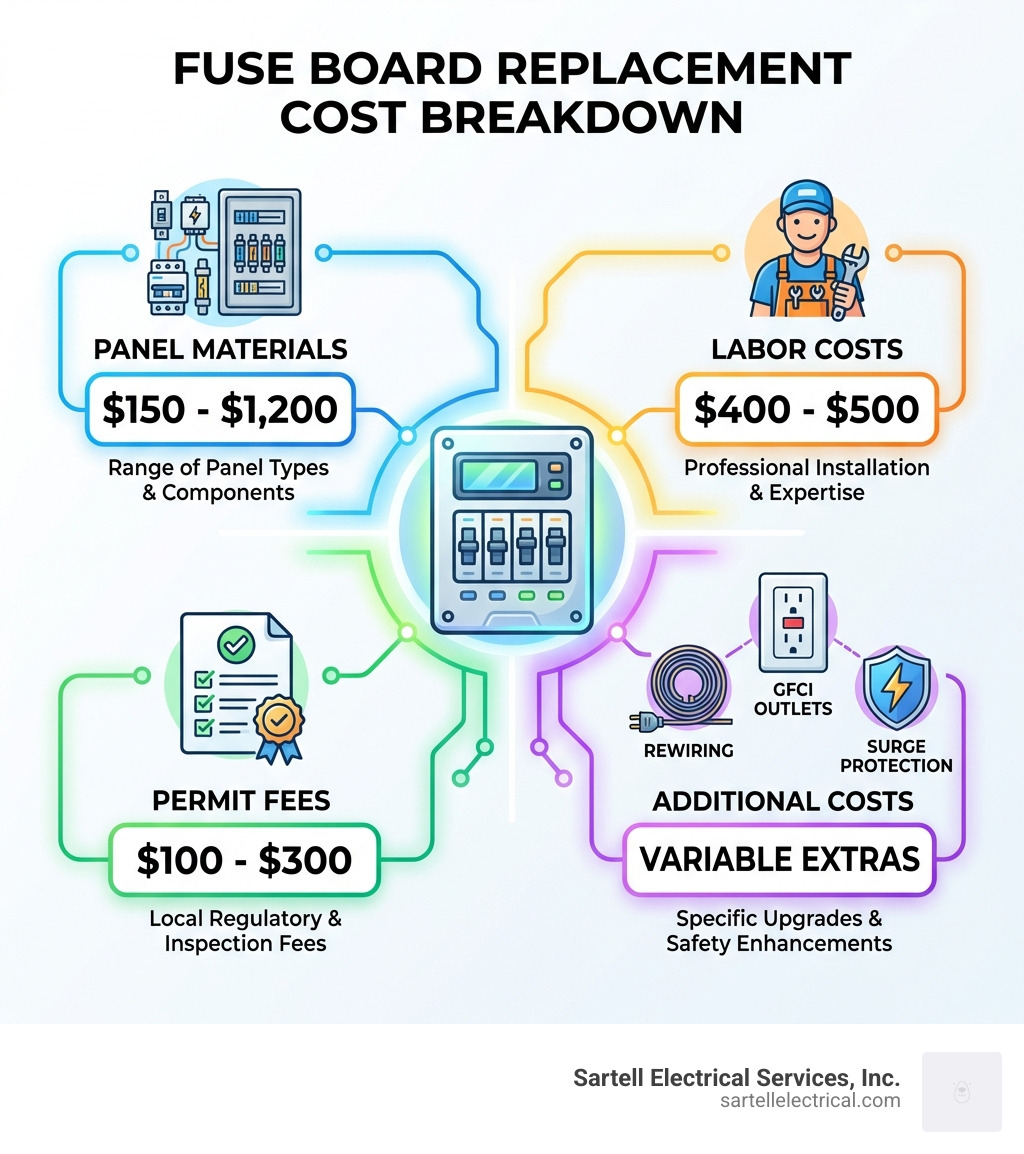
Average Fuse Board Replacement Cost Breakdown
To give you a clearer picture, here's a breakdown of what contributes to the overall
fuse board replacement cost. That these are averages, and specific quotes will be custom to your home's unique needs and local Massachusetts regulations.
| Component / Service |
100-Amp Upgrade |
200-Amp Upgrade |
400-Amp Service (Commercial/Large Residential) |
| Panel (Materials) |
$150 - $400 |
$300 - $800 |
$800 - $2,000+ |
| Circuit Breakers |
$100 - $300 |
$200 - $600 |
$400 - $1,000+ |
| Labor (8-16 hours) |
$720 - $1,920 |
$720 - $1,920 |
$1,440 - $3,840+ |
| Permit Fees |
$50 - $300 |
$50 - $300 |
$100 - $500+ |
| Total Estimated Cost |
$970 - $2,920 |
$1,270 - $3,620 |
$2,740 - $7,340+ |
Note: Labor costs are estimated based on an average hourly rate of $90-$120 for electricians in Massachusetts, as seen in industry data.
The cost to replace individual circuit breaker switches or fuses is typically
$100 to $200. While a standard fuse might cost between $6 and $50, and a standard circuit breaker around $30 to $260, the service call and labor for a qualified electrician account for the bulk of this cost.
For more detailed information on what goes into changing out your electrical panel, see our
Cost to Change Out Electrical Panel guide.
Upgrading Amperage: What to Expect
Many of our clients in Massachusetts come to us asking about upgrading their electrical service, often from an older 100-amp system to a robust 200-amp panel. This isn't just about getting "more power"; it's about future-proofing your home and ensuring it can handle tomorrow's electrical demands.
The cost to upgrade to a modern 200-amp panel typically ranges from
$1,400 to $5,125. This investment often happens in conjunction with a full fuse-to-breaker panel upgrade.
Why upgrade to 200 amps?
- Future-Proofing Your Home: With electric vehicles becoming more common and smart home technology expanding, a 200-amp service ensures you have the capacity for tomorrow's innovations.
- EV Chargers: If you're considering an electric vehicle, a 200-amp service is often necessary to install a Level 2 EV charger in your garage.
- Modern Kitchens and Appliances: High-demand appliances like induction cooktops, double ovens, and powerful microwaves can easily overwhelm a lower-amperage system. A 200-amp panel ensures your gourmet creations don't come at the cost of a tripped breaker.
- Home Additions and Renovations: Planning a new wing, a finished basement, or a significant remodel? Increased living space and new electrical loads will almost certainly require a service upgrade.
Learn more about the benefits and costs of higher amperage in our
200 Amp Service Upgrades guide.
Key Factors That Influence Your Final Bill
Understanding the average
fuse board replacement cost is a great starting point, but the final bill for your project in Massachusetts will depend on several variables. Think of it like baking a cake – the basic ingredients are there, but the size, decorations, and complexity of the recipe all change the outcome. Getting accurate electrician quotes is crucial, and that's where the project scope comes into play.
Panel Size and Number of Circuits
The size of your home and your household's electrical needs directly impact the type and size of the electrical panel required. A small apartment might only need a 6-circuit panel, while a sprawling Boston suburban home could require a 30-circuit or larger panel. More circuits mean a larger panel and more individual circuit breakers, which increases material costs.
Sometimes, especially for additions, garages, or dedicated workshops, a subpanel might be installed instead of running new circuits all the way back to the main panel. This can be a cost-effective solution for specific areas. If you're adding high-demand appliances, you'll need dedicated circuits for safety and performance. We have more information on
Dedicated Circuit Installation Cost.
Condition of Existing Wiring
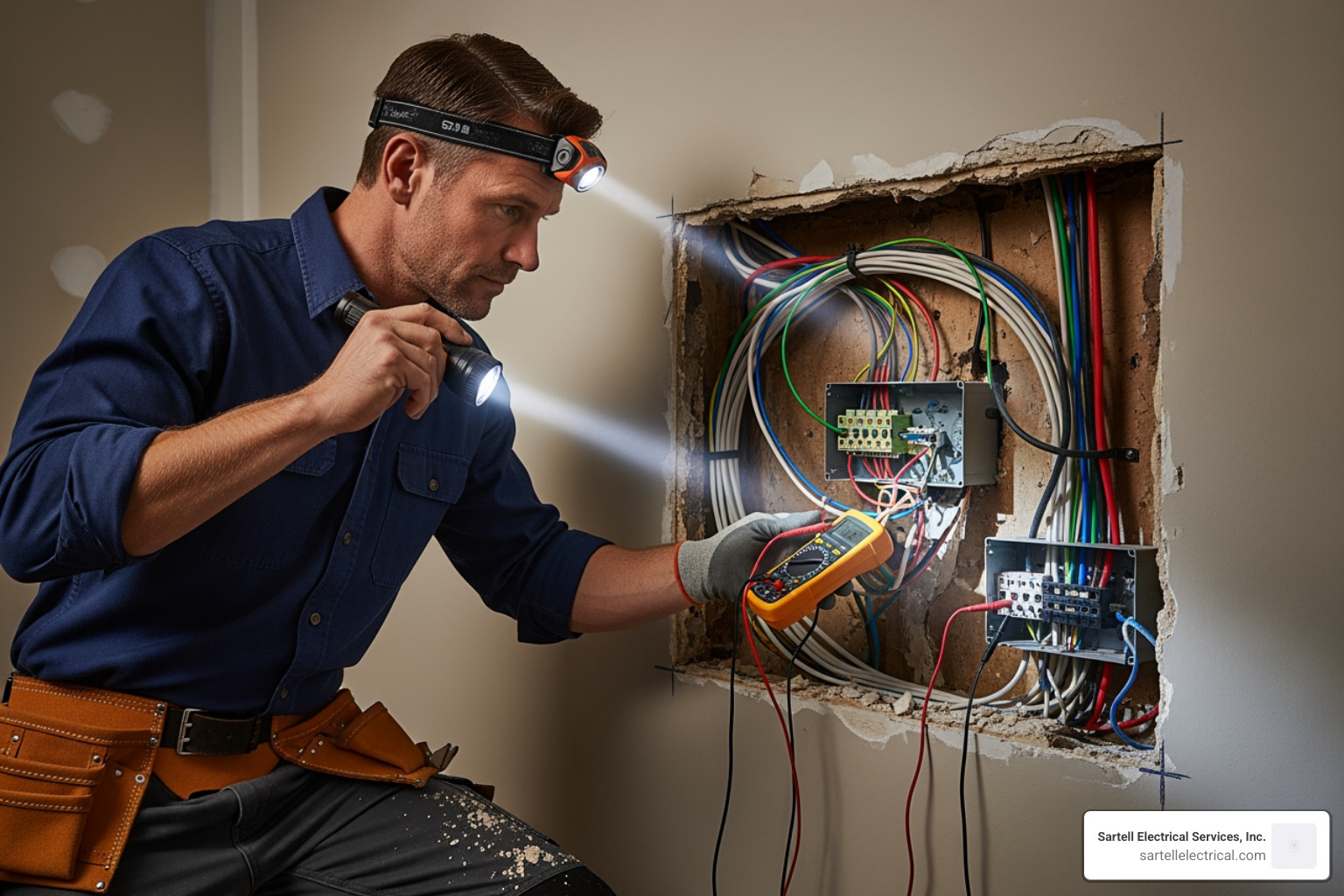
This is often one of the biggest hidden cost factors. If your home in Essex County or Middlesex County was built before the 1950s, it might have outdated wiring like knob-and-tube. Homes from the 1960s and 70s might have aluminum wiring. Both of these are considered obsolete and can pose significant fire risks, making them incompatible with a modern electrical panel without extensive upgrades.
If we find outdated wiring, a partial or full rewiring will be necessary to ensure safety and compliance with current codes, significantly increasing the overall
fuse board replacement cost. Rewiring a house can cost between $6 and $10 per square foot, potentially adding
$12,000 to $20,000 for an entire home.
We specialize in
Aluminum Wiring Upgrades and comprehensive
Electrical Wiring Services Boston.
Location and Accessibility
Where your electrical panel is located and how easy it is for our electricians to access it can influence labor time and, therefore, the cost. A panel in an easily accessible basement is simpler to work on than one tucked away in a cramped closet or behind finished walls.
If the panel needs to be moved, perhaps due to a renovation or to meet current code requirements (such as being moved outside for firefighter access), expect additional costs. Moving an electrical panel can range from
$1,500 to $4,000, including new outdoor-rated equipment and wiring. This might also involve associated costs like drywall repair or replacement, which typically runs
$1.50 to $3 per square foot.
For more on relocation costs, check out our
Main Panel Upgrade Cost guide.
Additional Upgrades and Permits
When we replace your fuse box, it's an opportune time to incorporate additional safety and convenience upgrades:
- GFCI/AFCI Breakers: Ground Fault Circuit Interrupters (GFCIs) and Arc Fault Circuit Interrupters (AFCIs) are crucial safety devices required in specific areas of your home (like bathrooms, kitchens, and bedrooms). They provide improved protection against electrical shocks and fires.
- Whole-Home Surge Protection: Protect all your sensitive electronics from power surges with a whole-home surge protector installed directly at your main panel.
- Earth Bonding: Ensuring proper earthing and bonding throughout your electrical system is fundamental for safety and code compliance.
Finally,
permits are a non-negotiable part of the
fuse board replacement cost. In Massachusetts, like many other places, local municipalities often require permits for significant electrical work like panel replacement. This ensures the work is done by a licensed contractor and meets local and national electrical codes, keeping residents safe. For instance, in the City of San Jose, California, permits are required for such work to ensure safety and code compliance. While this example is from California, the principle is the same across Massachusetts cities and towns.
The Replacement Process: Timelines, Regulations, and Professional Help
Starting on a fuse board replacement project can seem daunting, but with Sartell Electrical Services, we make it a smooth and transparent process. We prioritize safety protocols and clear communication every step of the way. You should expect a temporary power outage during the core work, but we'll always coordinate with you to minimize disruption.
Our
Licensed Home Electricians are experts in delivering top-notch service.
How Long Does a Replacement Take?
For a standard
fuse board replacement with a new circuit breaker panel, you can typically expect the job to take
4 to 8 hours. This includes disconnecting the old unit, installing the new panel, transferring circuits, testing, and ensuring everything is up to code. For more complex installations, such as those requiring an amperage upgrade or significant rewiring, the timeline could extend to a full day or even longer. If extensive rewiring is needed for an average three to five-bedroom home, the project can take up to a week or more. Following installation, we always perform thorough post-installation testing to guarantee optimal performance and safety.
DIY vs. Hiring a Professional
Let's be crystal clear: replacing an electrical panel is
not a DIY project. We cannot stress this enough. Attempting to replace a fuse box or electrical panel yourself is incredibly dangerous and can lead to severe consequences:
- Dangers of Electrocution: You're dealing with your home's main electrical supply, which carries enough voltage to cause serious injury or death.
- Fire Hazard: Incorrect wiring or improper installation can create dangerous electrical faults, leading to overheating, sparks, and devastating house fires.
- Code Violations: Electrical work must comply with strict local and national building codes. DIY work almost always results in violations, which can cause problems during inspections, home sales, and insurance claims.
- Insurance Issues: If an electrical fire or incident occurs due to unpermitted or improperly completed DIY electrical work, your homeowner's insurance policy may refuse to cover the damages.
When it comes to electrical repairs, choosing a professional is always the safest and smartest option. Our
Choosing Electric Repair Guide offers more insights.
Legal Requirements and Finding a Qualified Electrician
All electrical work, especially a fuse board replacement, must adhere to strict building codes and often requires electrical permits from your local municipality in Massachusetts. This ensures that the work is performed safely and correctly.
It is paramount to hire
licensed electricians who are also
insured contractors. Licensing is a public safety measure to protect consumers and prevent electrical accidents. For example, in many states, electrical work requires a licensed electrician.
When looking for a qualified electrician in Massachusetts to handle your fuse board replacement, we recommend asking these questions:
- Are you licensed and insured? Always verify their license number with the state's licensing board and ask for proof of insurance.
- Do you provide a written estimate? A detailed estimate should break down material costs, labor, and permit fees.
- Are you familiar with local Massachusetts codes and permit requirements? Our team is deeply familiar with all regulations across Greater Boston and surrounding counties.
- Can you provide references? Check past reviews and speak to previous clients.
- Do you offer a warranty on your work? A reputable electrician stands behind their installations.
- How long have you been in business? Experience matters, especially with critical electrical systems.
Frequently Asked Questions
We frequently hear similar questions from homeowners in Massachusetts regarding their electrical panels. Here are some of the most common ones:
Is it illegal to have an old fuse box in my home?
No, it is generally
not illegal to have an old fuse box in your home if it was installed according to codes at the time of construction and is functioning safely. This falls under a "grandfather clause." However, if you need to replace your current fuse box for any reason, it
must be replaced with a modern circuit breaker panel to comply with current safety codes. While not legally obligated to replace a functioning old fuse box, it's strongly recommended for safety. Be aware that some insurance companies may charge higher premiums or even deny coverage for homes with very old fuse boxes due to perceived higher risks.
Will upgrading my electrical panel increase my home's value?
Yes, absolutely! While it might not be as visually appealing as a kitchen remodel, upgrading your electrical panel is a smart investment that significantly contributes to your home's value. More than 50% of home buyers indicate they would pay more for a home with an updated electrical system. It addresses potential home inspection issues, improves safety, and signals that the home is well-maintained and ready for modern electrical demands. It's a critical safety feature that appeals to buyers and can help your home sell faster and for a better price in the competitive Massachusetts market.
My fuse box has a burning smell. What should I do?
If you detect a burning smell coming from your fuse box or electrical panel, consider it an
emergency. This is a serious fire risk. Here's what you should do immediately:
- Turn Off the Main Power: If it's safe to do so, locate your main electrical disconnect switch (usually a large lever or breaker at the top of your panel) and switch it off to cut all power to your home.
- Evacuate: Get everyone, including pets, out of the house.
- Call 911: If you see smoke, flames, or are unsure of the safety, call emergency services immediately.
- Call an Emergency Electrician: Once the immediate danger is addressed, contact a qualified emergency electrician. Do not attempt to investigate or fix the problem yourself.
At Sartell Electrical Services, we offer
Local Emergency Electricians services for situations like these. Your safety is our top priority.
Conclusion: Powering Your Home Safely and Efficiently
Understanding the
fuse board replacement cost is more than just budgeting for an expense; it's an investment in the safety, efficiency, and future value of your home. While the cost can vary, the peace of mind that comes with a modern, reliable electrical system is truly priceless. From preventing fire hazards to powering your smart home and electric vehicle, upgrading your electrical panel is a fundamental step toward a safer, more convenient, and energy-efficient lifestyle.
For homeowners in Massachusetts, trusting a certified professional like Sartell Electrical Services ensures the job is done right and to code. With nearly four decades of experience serving Greater Boston and surrounding communities, we bring unparalleled expertise and a commitment to excellence to every project.
Ready to get an accurate estimate for your electrical panel change? Don't get zapped by outdated electrical systems. Contact us today for a consultation and let us help you power your home safely and efficiently for years to come.
Get an accurate estimate for your electrical panel change