Aluminum Wiring Upgrades: 3 Shocking Truths
Why Homes Built Between 1965 and 1973 Need Your Attention Now
Aluminum wiring upgrades are critical for homes built during a specific period. If your home was constructed or renovated between 1965 and 1973, it likely contains aluminum branch circuit wiring. Understanding your options is key to preventing a devastating fire.
Quick Answer: Your Three Main Upgrade Options
- Complete Copper Rewire - The most permanent solution; highest cost but eliminates all risks
- CPSC-Approved Pigtailing (COPALUM or AlumiConn connectors) - Permanent repair at all connection points; moderate cost and disruption
- CO/ALR Devices - Lowest cost but considered an incomplete repair by safety experts
The Shocking Statistics:
According to the U.S. Consumer Product Safety Commission (CPSC), homes with pre-1972 aluminum wiring are
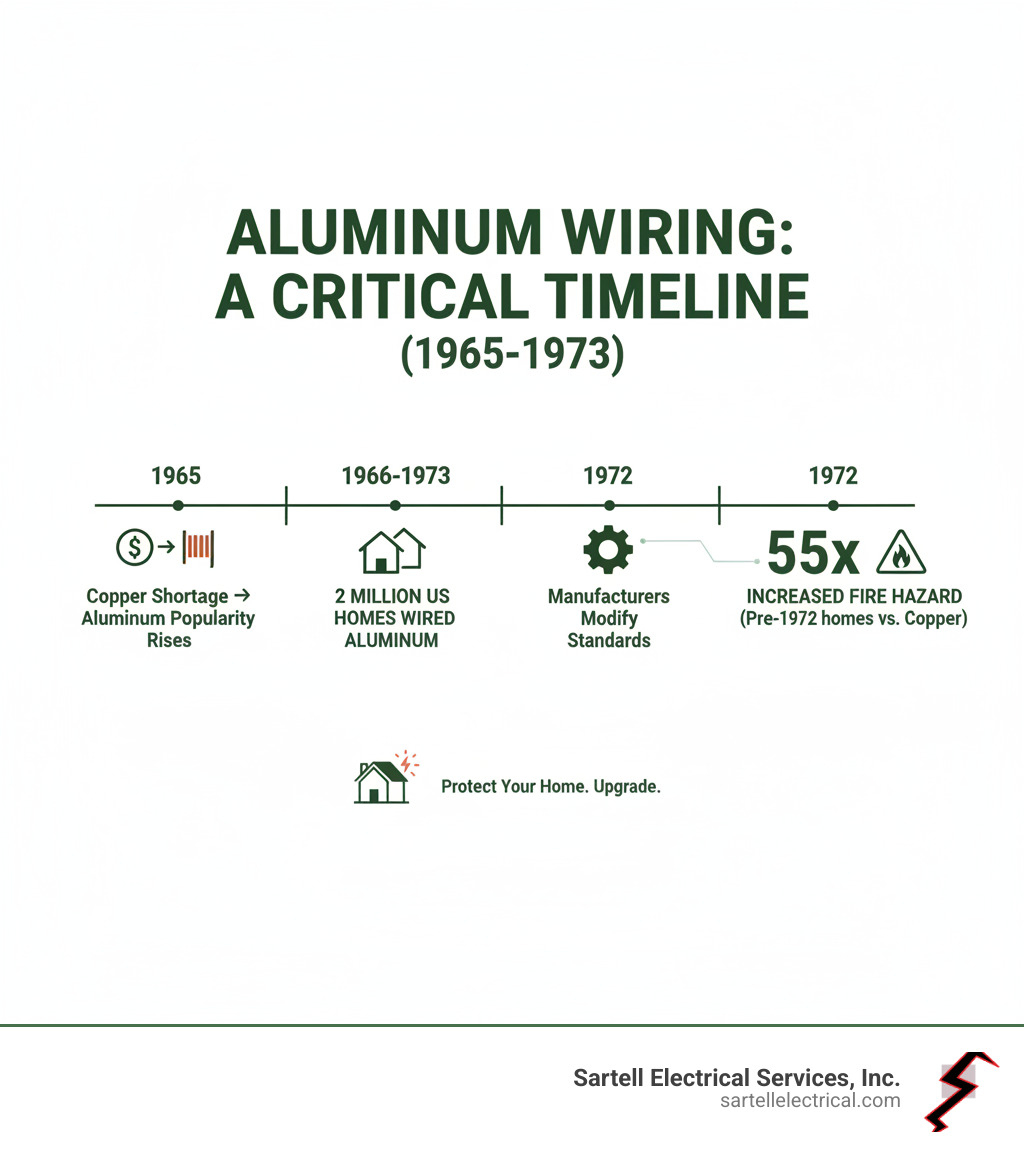
55 times more likely to have connections reach "Fire Hazard Conditions" than copper-wired homes. The fire risk isn't from poor conduction but from how aluminum behaves at connection points, where it expands, contracts, and oxidizes.
Between the mid-60s and early 70s, rising copper costs led to about two million homes being wired with aluminum. Manufacturers modified aluminum wire standards in 1972, but homes wired before then remain at high risk.
This guide will help you identify if your home has aluminum wiring, understand the danger, and evaluate the best upgrade option for your situation and budget.
I'm Ed Sartell, and I've been addressing aluminum wiring upgrades and other electrical safety concerns as President of Sartell Electrical Services since 1985. For nearly four decades, I've seen how these upgrades protect Massachusetts families and property values.
Identifying Aluminum Wiring and Its Hidden Dangers
Before exploring upgrades, let's confirm if your home has aluminum wiring and understand why it's a serious safety concern.
How to Tell If Your Home Has Aluminum Wiring
If your Massachusetts home was built or renovated between 1965 and 1973, it may have aluminum wiring. During those years, high copper prices drove builders to use aluminum as a cost-effective alternative.
You can often identify it yourself.
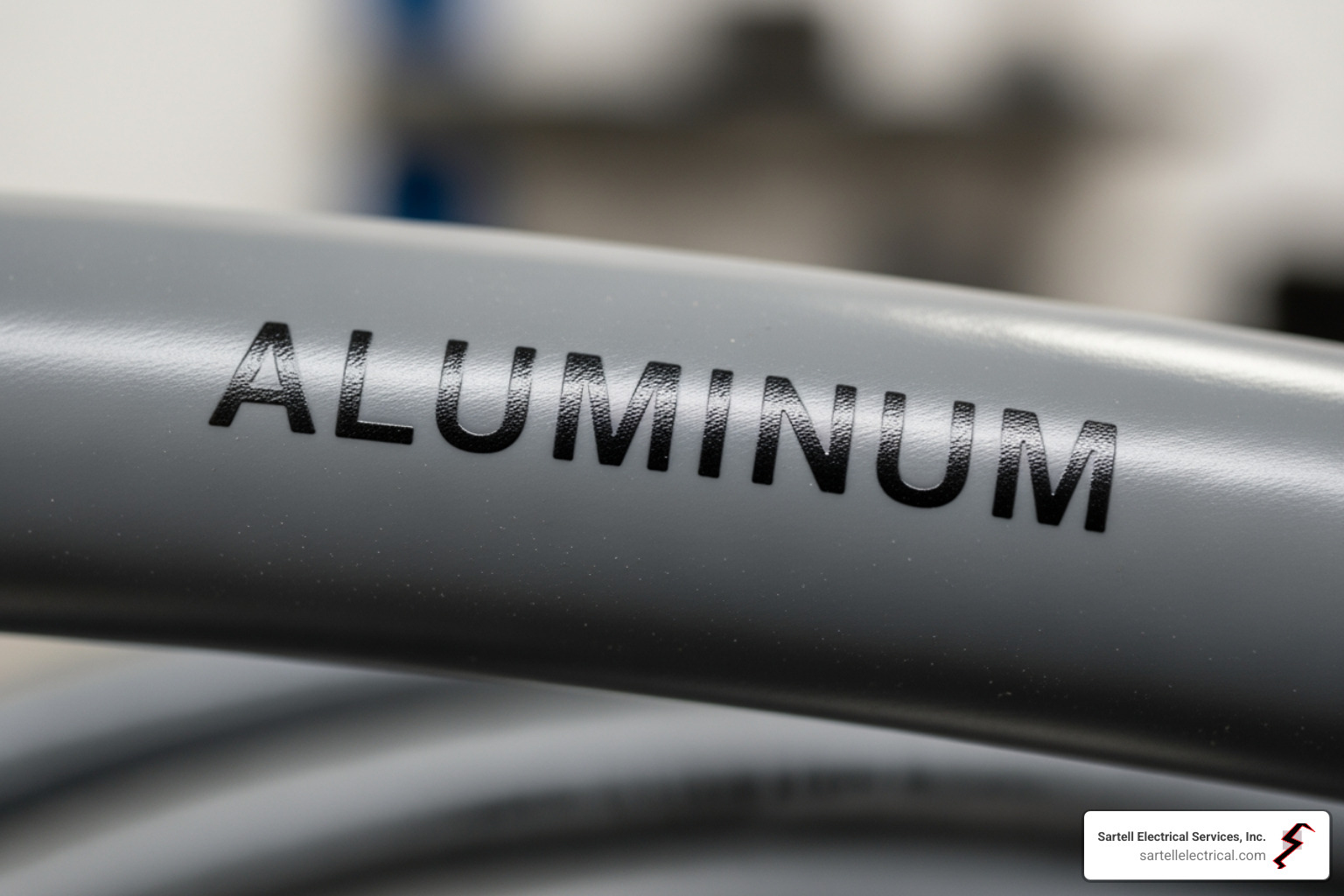
Check visible cables in your basement, attic, or garage. The outer plastic sheathing may be marked with
"AL" or
"Aluminum".
Note: If you see
"CU-clad" or
"Copper-clad", that's copper-coated aluminum wire, which is not the primary concern of this guide. We're focused on solid aluminum branch circuit wiring from 1965-1973.
If wiring is hidden, don't open walls. Never open your electrical panel unless you are a trained professional, as working with live systems is dangerous. When unsure, call a
licensed home electrician for a safe inspection.
The Science Behind the Risk: Why Aluminum Fails
The danger isn't that aluminum conducts electricity poorly; it's what happens at connection points like outlets and switches.
Electricity generates heat, causing the aluminum wire to expand. When the current stops, it cools and contracts. Over time, this constant thermal cycling loosens connections, creating resistance and more heat.
Aluminum also oxidizes when exposed to air, forming a non-conductive layer (unlike conductive copper oxide). This insulating barrier builds up at loose connections, creating even more resistance and dangerous heat.
This cycle can generate enough heat to melt insulation, char materials, and cause arcing—the electrical discharge that ignites fires.
The U.S. Consumer Product Safety Commission found that homes with pre-1972 aluminum wiring are
55 times more likely to have connections reach "Fire Hazard Conditions" than copper-wired homes. Their research followed a tragic 1974 fire in Hampton Bays, NY, where an overheating connection killed two people. This is a documented, serious hazard. You can read more in the
CPSC safety recommendations for aluminum wiring.
Failing aluminum connections may give warning signs. Knowing what to look for can help you prevent a disaster.
- Flickering lights, especially when other appliances turn on, can signal loose or overheating connections.
- Warm or hot outlets and switch plates are red flags. They should be room temperature; heat indicates dangerous resistance.
- Scorch marks or discoloration around outlets or switches indicate a near-miss from extreme heat.
- A smell of burning plastic is an emergency, meaning insulation is melting. Safely turn off the breaker and call for help immediately.
- Buzzing or crackling sounds from outlets indicate arcing or loose connections, a direct fire hazard.
- Frequently tripping circuit breakers without an obvious cause can point to a wiring problem.
Beyond safety, there are
insurance complications. Insurers may refuse coverage, charge higher premiums, or require proof of
aluminum wiring upgrades for homes with unmitigated aluminum wiring.
If you notice any of these signs in your Massachusetts home, don't wait. Electrical problems get worse. For urgent situations,
find an emergency electrician near you who can respond quickly and safely.
Your Complete Guide to Aluminum Wiring Upgrades
Understanding the risks, let's explore the three main solutions for
aluminum wiring upgrades, each balancing cost, disruption, and safety.
Option 1: Complete Copper Rewire (The Gold Standard)
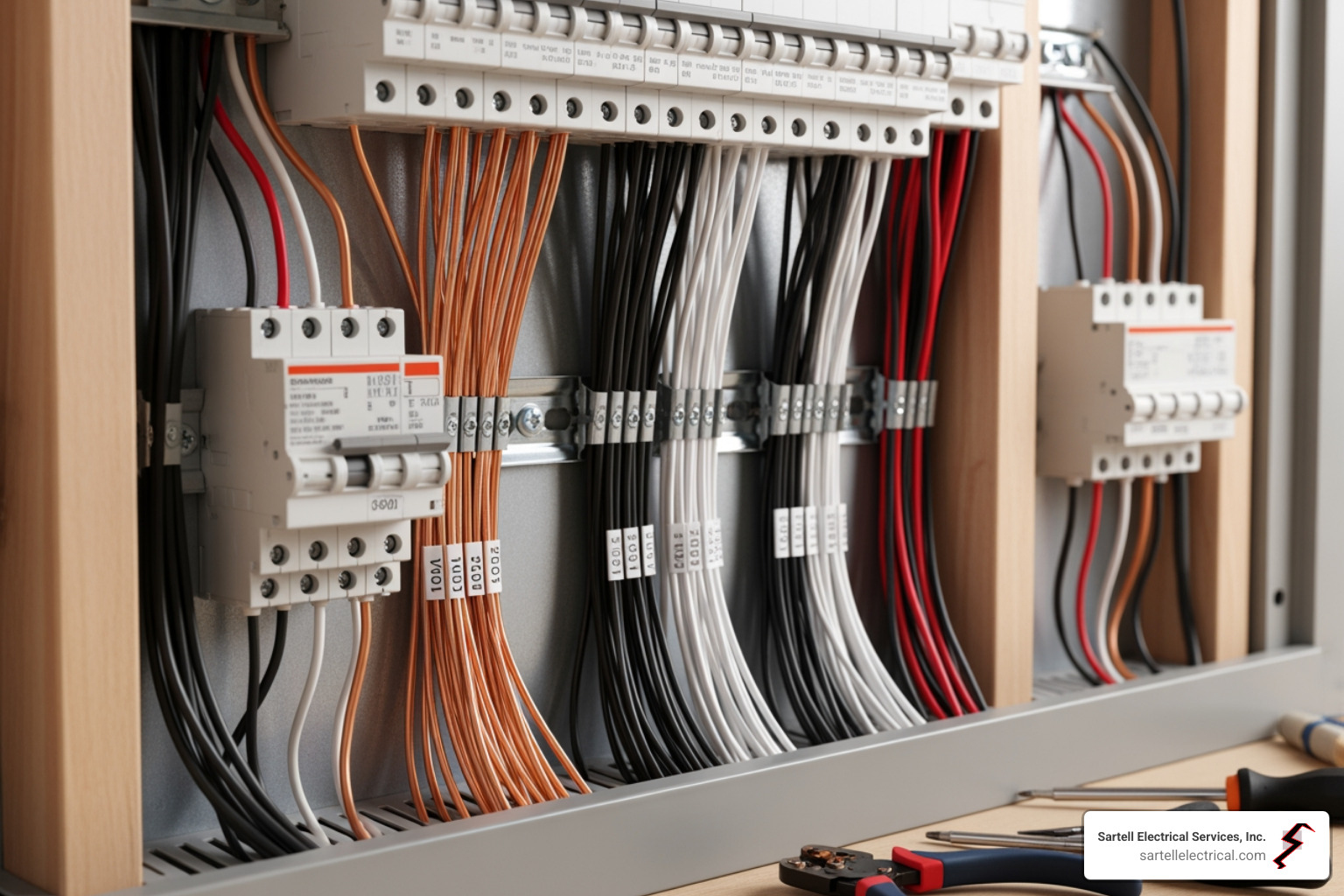
A complete copper rewire is the gold standard, eliminating the problem by replacing all aluminum branch circuit wiring with new copper. This provides a
permanent solution and the
highest safety level possible, offering total peace of mind.
A copper rewire also
increases your home value. Buyers are savvy about electrical systems and often pay more for an updated home. Telling buyers your home is rewired with copper sells peace of mind.
However, a complete rewire is the
most expensive and
highly disruptive option, requiring opening walls and ceilings. The process is messy and may require temporary relocation.
For more details on what modern copper wiring involves, take a look at our guide on
modern house wiring.
Option 2: CPSC-Approved Pigtailing Methods for Aluminum Wiring Upgrades
If a full rewire isn't feasible, CPSC-approved pigtailing is a permanent, safe alternative that addresses hazardous connections without major demolition. Pigtailing involves attaching a short copper wire (a "pigtail") to the aluminum wire at every connection point (outlets, switches, etc.). The device then connects to the copper, isolating the aluminum.
The U.S. Consumer Product Safety Commission has approved two specific methods for these
aluminum wiring upgrades.
COPALUM connectors are the CPSC's preferred method. A special tool cold-welds a metal sleeve over the copper and aluminum wires, creating a permanent, gas-tight connection that prevents oxidation and loosening. The tooling is expensive and requires certified electricians, so it's not universally available.
AlumiConn connectors are the CPSC's acceptable alternative. These screw-clamp devices have separate ports for each wire and contain an anti-oxidant compound. They don't require specialized tools, making them more accessible, but their bulk may require larger junction boxes.
Both methods offer a
permanent repair at all connection points and are
less disruptive than a rewire. While still
labor-intensive, as every connection must be accessed, the disruption is manageable. The cost is moderate, making pigtailing a practical middle ground. These methods
require specialized skills and training and are not a DIY project.
For technical details, you can
read the CPSC's guide on repairing aluminum wiring.
Option 3: CO/ALR Devices (An Incomplete Solution)
The third option is replacing standard outlets and switches with
CO/ALR devices ("Copper/Aluminum Revised"). Their terminals are designed to better handle aluminum's properties. While
inexpensive for single device replacement, this is
not a whole-home solution.
CO/ALR devices only fix the connection at the device itself, ignoring hidden splices in walls, ceilings, or at light fixtures. The CPSC considers this an
incomplete repair that does not eliminate the overall fire hazard. Finding CO/ALR switches can also be difficult. This method is not recommended by safety experts as a standalone solution for an entire home.
We only suggest CO/ALR devices in limited cases, combined with a professional assessment, not as a primary strategy for your Massachusetts home.
Here's how the three options stack up:
| Feature |
Complete Copper Rewire |
CPSC-Approved Pigtailing (COPALUM/AlumiConn) |
CO/ALR Devices |
| Cost |
High |
Moderate |
Low (per device) |
| Safety |
Highest (eliminates all aluminum) |
High (permanent connection repair) |
Incomplete (device only) |
| Disruption |
High (opens walls/ceilings) |
Moderate (accesses all connection points) |
Low (device replacement) |
| Longevity |
Excellent (new copper system) |
Excellent (permanent connection repair) |
Limited (device specific) |
When it comes to
aluminum wiring upgrades, the right choice depends on your specific situation, budget, and long-term plans. Whatever you choose, ensure it's done by qualified professionals.
The Critical Role of Professional Electricians and Code Compliance
When it comes to
aluminum wiring upgrades, this is not a DIY job. The safety of your home and family depends on getting this right the first time.
Why DIY Aluminum Wiring Upgrades Are a Dangerous Idea
While DIY projects can be satisfying, the risks of working on aluminum wiring are too serious. It requires specialized knowledge of aluminum's unique properties and the correct techniques for approved connectors like COPALUM or AlumiConn.
The U.S. Consumer Product Safety Commission states: "DO NOT TRY TO DO IT YOURSELF." Improper installation can create new fire hazards or lead to electrocution. Furthermore, electrical work must meet NEC and local Massachusetts codes. DIY work often fails inspection, leading to costly repairs. It can also void your homeowner's insurance for any related damages—a massive financial risk.
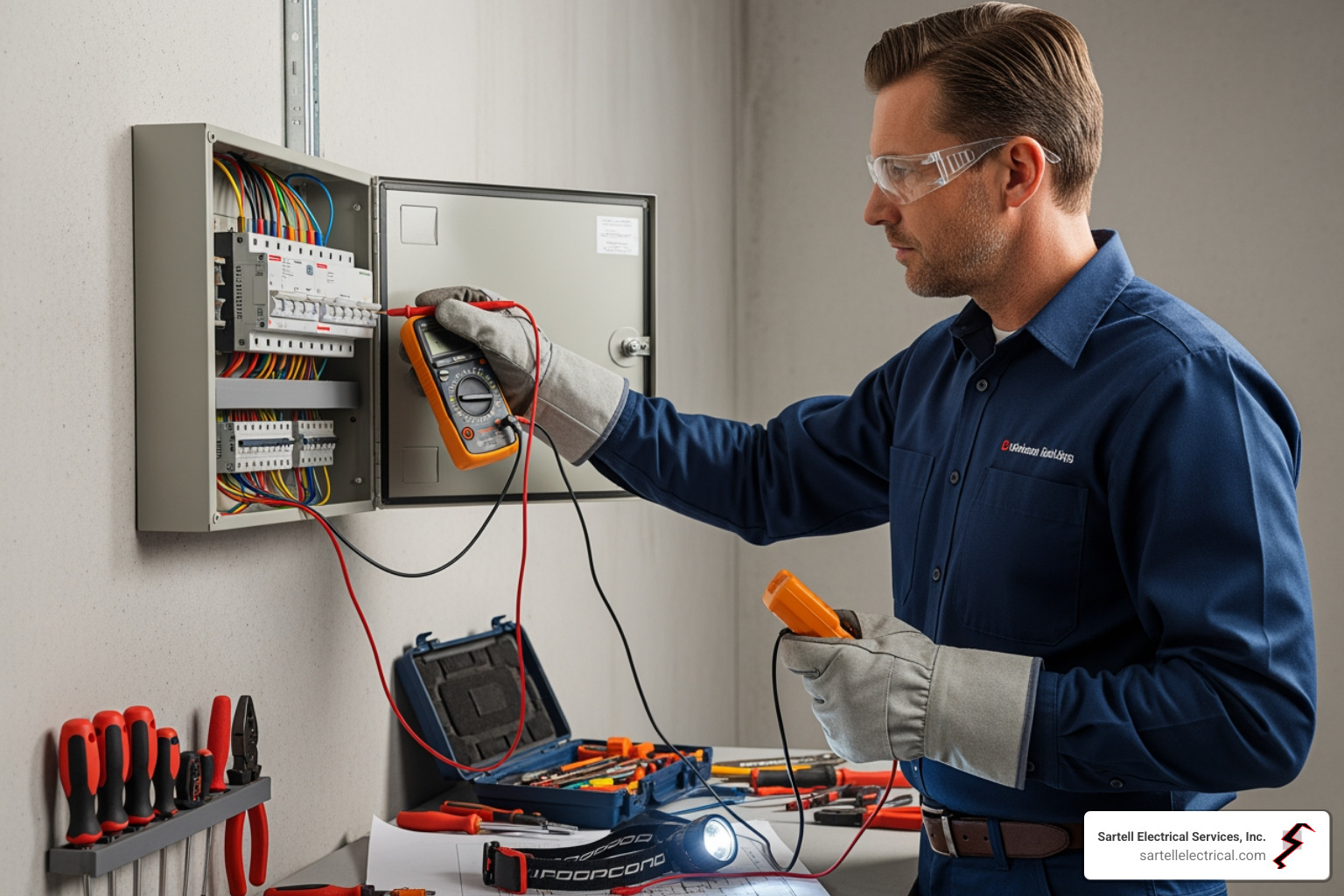
A qualified electrician ensures your
aluminum wiring upgrades are done safely, correctly, and to a standard that protects your home for decades. Our
guide to choosing an electric repair service can help you find the right professional.
Navigating Safety Codes and Inspections for Aluminum Wiring Upgrades
All electrical projects in Massachusetts must meet safety codes designed to save lives and prevent property damage. For
aluminum wiring upgrades, following these requirements is essential.
The
National Electrical Code (NEC) provides the foundation for safe work, including strict requirements for aluminum wiring connections. Manufacturer instructions, like specific tightening torques, are mandatory for safety.
Massachusetts and its towns also have local regulations requiring permits for major electrical work. These permits lead to inspections, where a qualified inspector verifies your
aluminum wiring upgrades are safe and code-compliant. It's a crucial safety check.
Properly permitted and inspected work is also vital for home resale. Documented, code-compliant
aluminum wiring upgrades add value and prevent sales complications.
Sartell Electrical Services has steerd these codes for over 30 years across Greater Boston. We handle all permits and inspections to ensure every project is code-compliant. For more insight, see our
complete guide for MA electricians.
Frequently Asked Questions about Aluminum Wiring
After nearly four decades of helping Massachusetts homeowners, I've heard countless questions about aluminum wiring. Here are the most common ones.
Is all aluminum wiring dangerous?
No, not all aluminum wiring is dangerous. The risk is specific to the small-gauge branch circuit wiring installed between 1965 and 1973, known as "old technology" aluminum.
Modern, large-gauge aluminum feeder cables, used for service entrances or major appliances, are a different story. When installed correctly with proper connectors, they are safe and code-compliant. The key distinction is the wire gauge and its specific application.
Will I have to rewire my entire house?
Not necessarily. While a complete copper rewire is the "gold standard," it's not your only option for
aluminum wiring upgrades. CPSC-approved pigtailing with
COPALUM or AlumiConn connectors is a permanent, safe repair that doesn't require tearing apart your home. It creates stable copper connections at every outlet, switch, and splice, isolating the aluminum wire.
A professional inspection is needed to determine the best approach for your home. Our licensed electricians will assess your wiring and recommend the most suitable, cost-effective solution. For more information, check out our guide on finding a
licensed home electrician.
How much do aluminum wiring upgrades cost?
The cost of
aluminum wiring upgrades varies based on your home's size, the number of connections, and the chosen upgrade method.
- A complete copper rewire is the highest investment due to labor and material costs but offers a permanent solution and increased home value.
- CPSC-approved pigtailing is a moderate-cost option. The price depends on the number of connections and is less disruptive than a full rewire, making it a popular middle ground.
- CO/ALR devices are the cheapest per-unit option but are considered an incomplete repair by the CPSC and are not recommended as a whole-home solution.
Every home is different, so a professional assessment is essential for an accurate estimate custom to your home's needs. For broader context on electrical service investments, you can
learn about electrical troubleshooting costs on our site.
Secure Your Home's Future: Making the Right Upgrade Choice
You now know why homes from 1965-1973 need attention, the risks of aluminum wiring, and your upgrade options—from a complete copper rewire to CPSC-approved pigtailing. Making the right choice is about protecting your family and your home, ensuring your electrical system is safe.
Ignoring the issue can be devastating, leading to fire risks, insurance complications, and problems selling your home. Unaddressed aluminum wiring can kill a real estate deal or lower your home's value.
So where do you start?
The essential first step is a professional electrical inspection. Our licensed electricians can evaluate your system, identify aluminum wiring, assess its condition, and pinpoint risks. We'll then explain your options in plain English, helping you choose between a full rewire or pigtailing based on your budget and needs. We provide honest guidance to help you make a confident decision.
For homeowners across Massachusetts, including Reading, Andover, Cambridge, Wellesley, and the greater Boston area, Sartell Electrical Services brings nearly four decades of experience to every
aluminum wiring upgrade project. We handle permits and ensure code-compliant work, prioritizing your safety.
Don't let outdated wiring be a silent threat. Schedule a professional inspection today—your home's electrical system is too important to leave to chance. If you're considering broader improvements,
read our complete guide to main electrical panel upgrades to see how modernizing your entire electrical infrastructure can improve safety and functionality.
Your family's safety and your home's future are worth the investment.