Cost to Change Out Electrical Panel: Avoid Hidden Fees 2025
Why Understanding Electrical Panel Replacement Costs Matters
The
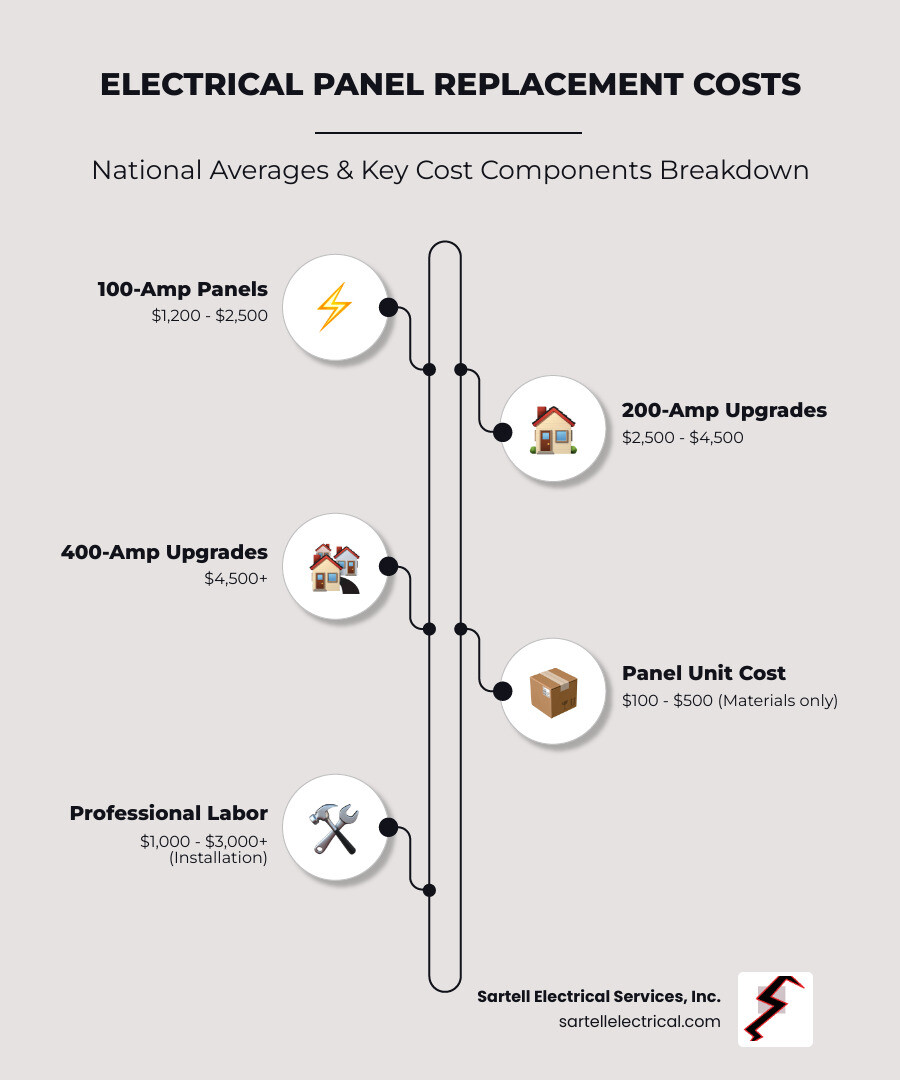
cost to change out electrical panel typically ranges from $1,200 to $4,500 or more, depending on your panel's size and the complexity of the installation. Here's a quick overview of what you can expect to pay:
Quick Cost Overview:
- 100-amp panel replacement: $1,200 - $2,500
- 200-amp upgrade: $2,500 - $4,500
- 400-amp upgrade: $4,500+
- Panel only (no installation): $100 - $500
- Labor costs: $1,000 - $3,000+
Your electrical panel is the heart of your home's electrical system, connecting you to the grid and distributing power safely. Modern power demands for EV chargers and heat pumps often overwhelm older panels, making an upgrade necessary.
Hidden costs like permits ($50-$300), wiring upgrades, or panel relocation can inflate your budget. Understanding these potential expenses upfront helps you budget accurately and avoid surprises.
This guide breaks down every aspect of electrical panel replacement costs, helping you understand what drives pricing and how to get the best value for your investment.
I'm Ed Sartell, President of Sartell Electrical Services. For nearly 40 years, I've helped Massachusetts property owners manage the
cost to change out electrical panel. My experience provides real-world insight into the factors that affect your final bill.
Average Cost to Change Out an Electrical Panel
The
cost to change out electrical panel varies, but most homeowners pay between $1,200 and $4,500, with a national average around $1,800. A basic 100-amp replacement can be as low as $800, while complex jobs involving high-amperage panels or extensive rewiring can exceed $5,000.
The panel unit itself is a small portion of the total cost ($100 to $500). Labor is the largest expense, often $1,000 to $3,000 or more, as the job requires skilled work, permits, and updates to meet current electrical codes.
For more detailed information on pricing, you can visit our page on
Home Electrical Panel Upgrade Cost.
Detailed cost to change out electrical panel by amperage
Your panel's amperage rating is the biggest factor driving your final bill. Higher amperage means your home can handle more power simultaneously.
| Amperage |
Panel Only Cost |
Labor Cost (Estimated) |
Total Average Cost Range |
| 100-Amp |
$100 - $200 |
$700 - $1,300 |
$800 - $1,500 |
| 200-Amp |
$250 - $350 |
$1,050 - $2,650 |
$1,300 - $3,000 |
| 400-Amp |
$500+ |
$1,500 - $3,500+ |
$2,000 - $4,000+ |
100-amp service, once standard, is often insufficient for modern homes, leading to frequently tripped breakers. Replacing an old panel with a new 100-amp system typically costs $800 to $1,500.
200-amp service is the modern gold standard, comfortably handling central air, large appliances, and EV charging. Most homeowners upgrading today choose this service, with total costs ranging from $1,300 to $3,000.
400-amp service is for large homes with high electrical demands, such as multiple EV chargers or home workshops. These complex installations start around $2,000 and can reach $4,000 to $7,000.
Understanding
What is the standard residential electrical service size? can help you determine your needs.
Cost Breakdown of Common Components
Your
cost to change out electrical panel includes several components that work together to create a safe, functional system.
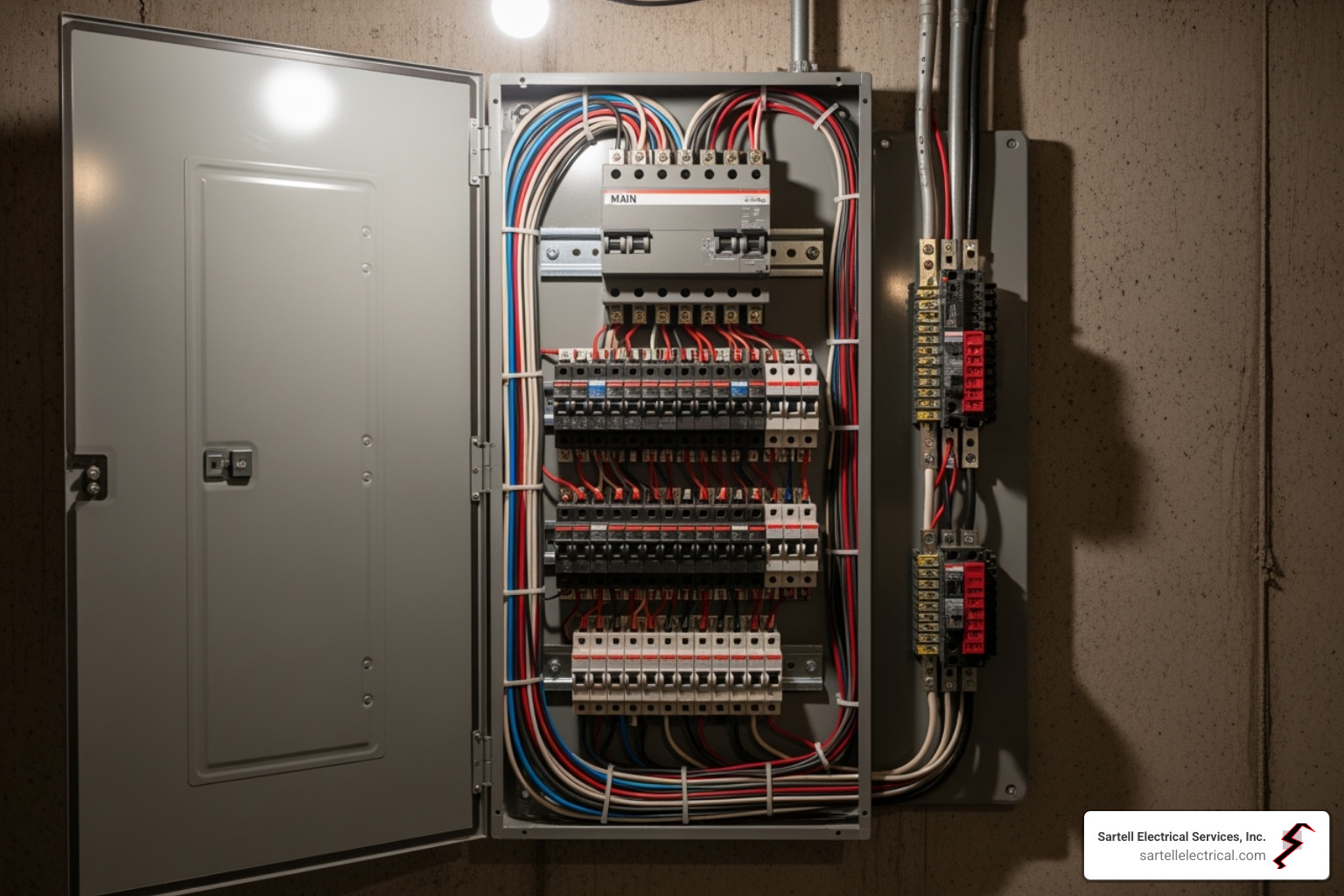
- Main Breaker: This is your home's master electrical switch. Replacing it alone costs $500 to $2,000, depending on amperage.
- Circuit Breaker Switches: These protect individual circuits. A standard replacement is $100 to $200. Modern AFCI or GFCI safety breakers, often required by code, cost $35 to $60 each and provide crucial fire and shock protection.
- Subpanel: This smaller panel serves a specific area like a garage. Installation ranges from $400 to $2,000.
- Electric Meter Box: You are responsible for the meter box (not the meter itself), which may need upgrading. This costs $100 to $650 and requires coordination with your utility company.
- Fuse Box Replacement: Converting an outdated fuse box to a modern breaker panel is critical for safety. This typically costs $1,500 to $2,000 and may include necessary rewiring.
Key Factors That Influence Your Final Bill
Several key factors impact the final
cost to change out electrical panel. Understanding them helps you budget realistically and avoid sticker shock.
Labor is the biggest cost. Electricians charge $50 to $150 per hour. A standard 4-8 hour replacement means $1,000 to $3,000 in labor alone. Additional wiring or code updates can extend the job to 20+ hours. At Sartell Electrical Services, we provide upfront estimates for our Massachusetts clients.
Panel location matters. An easily accessible panel in a basement or garage is ideal. Moving a panel from a difficult location, which may be required by modern codes for emergency access, can add $1,000 to $3,000 to the cost.
Your home's
existing wiring is crucial. Outdated wiring from the 1960s or earlier may not meet current codes, potentially requiring a complete home rewire. This is a much larger project that can exceed $8,000. We assess your wiring during our initial evaluation to identify necessary upgrades.
For more details on what affects your upgrade costs, check out our
Main Panel Upgrade Cost page.
Panel Amperage and Type
Higher amperage means higher costs. A 400-amp panel is more complex and expensive to install than a 100-amp unit. The type of panel also affects the price.
Standard panels provide reliable power distribution.
Smart panels, on the other hand, offer advanced energy management features. They cost significantly more—typically $2,000 to $5,000+—but offer compelling benefits:
- Real-time energy monitoring to identify energy-hogging appliances.
- Automatic switching between power sources like solar, batteries, or a bidirectional EV.
- Remote management for peace of mind when you're away.
While the upfront cost is higher, many homeowners find the energy savings and convenience are worth the investment.
Additional factors in the cost to change out electrical panel
- Permits and inspections are mandatory in Massachusetts, typically costing $50 to $300. We handle all permitting to ensure legal compliance.
- Grounding system upgrades may be required for safety. Modern systems need proper ground rods (around $80 each plus labor) to safely direct electrical faults.
- Panel relocation is sometimes necessary to meet modern accessibility codes, adding $1,000 to $3,000 to your project.
- Surge protection is a smart investment. A whole-home surge protector adds a few hundred dollars but can save thousands in damaged electronics.
- Complete home rewiring is the largest potential cost increase, possibly exceeding $8,000. It's often necessary for safety if your home has outdated wiring like knob-and-tube.
Is It Time for an Upgrade? Signs & Benefits
Electrical panels have a finite lifespan, typically 25 to 40 years. But age isn't the only factor that determines when it's time to consider the
cost to change out electrical panel. Modern electrical demands from EV chargers, heat pumps, and smart devices can easily overwhelm older systems.
Upgrading your panel is fundamentally about
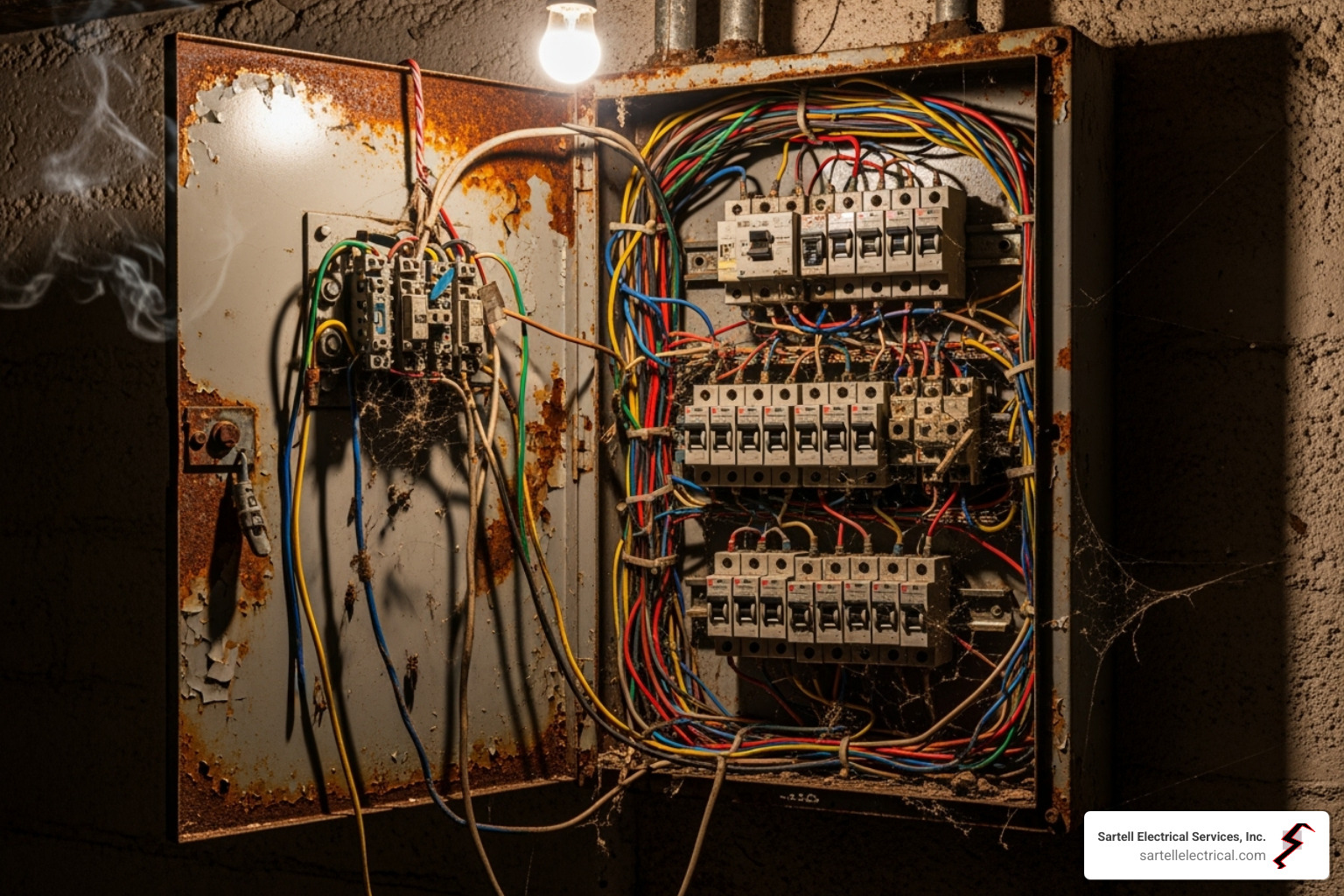
safety. Electrical issues cause over 51,000 house fires annually in the U.S. A modern panel is a crucial investment in protecting your family and property. Financial perks include an
increased home value and the potential for
lower insurance premiums, as insurers recognize the reduced risk.
Warning Signs Your Panel Needs Replacement
Your electrical system will show signs of strain. Recognizing them early can prevent dangerous situations.
- Frequent breaker trips: If you're constantly resetting breakers, your panel is overloaded and can't handle your home's electrical load.
- Flickering or dimming lights: If lights flicker when large appliances turn on, your panel isn't delivering adequate, steady power.
- Buzzing or crackling sounds: These sounds from your panel often indicate loose connections or overheating—a serious safety concern.
- Burning smells or scorch marks: These are signs of dangerous overheating and a fire risk. Contact a professional electrician immediately.
- Outdated fuse box: Fuse boxes were not designed for modern electrical loads and lack the safety features of breaker panels, making them a significant fire hazard.
- Panel is over 25 years old: Components in older panels can deteriorate even if they look fine. An inspection is recommended to check for aging breakers or failing connections.
For detailed guidance, check our resource on
Home Electrical Panel Upgrade.
The Benefits of a Modern Electrical Panel
Upgrading your panel is an investment in your home's electrical foundation, offering benefits beyond just reliable power.
- Improved Safety: This is the top benefit. Modern panels include advanced safety features like Arc Fault Circuit Interrupters (AFCI) and Ground Fault Circuit Interrupters (GFCI) that help prevent shocks and fires. The Electrical Safety Foundation International (ESFI) highlights how updated systems prevent residential fires.
- Support for Modern Appliances: An updated panel provides the capacity needed for EV chargers, heat pumps, and smart home systems to operate safely and efficiently.
- Increased Energy Efficiency: A modern panel prevents issues like voltage drops and overloaded circuits, allowing appliances to run more efficiently.
- Higher Property Value: Potential buyers see an updated electrical system as a major plus, indicating a safe, reliable, and modern home.
- Insurance Premium Discounts: Many insurance companies offer discounts for homes with updated electrical systems, recognizing the significantly reduced risk of claims.
The Replacement Process: DIY vs. Professional
Understanding the professional replacement process helps you prepare for what's ahead. At Sartell Electrical Services, we follow a methodical approach that prioritizes safety and compliance.
The professional installation process includes:
- Initial Assessment: We inspect your current system, evaluate your power needs, and check your wiring to identify any work that might affect the cost to change out electrical panel.
- Power Shutoff: Your home will be without power for 4-8 hours for a standard job or up to 20+ hours for complex projects. Plan for a full day without electricity.
- Old Panel Removal: We expertly disconnect and remove the old panel and its associated wiring, preventing damage and safety hazards.
- New Panel Installation: We install the new panel, then methodically reconnect and clearly label all circuits according to current electrical codes. This precise work requires extensive training.
- Final Inspection and Power Restoration: A municipal electrical inspector must approve the work before we restore power and test the entire system. We also handle all cleanup and any minor wall repairs.
Why a DIY Panel Replacement is a Dangerous Idea
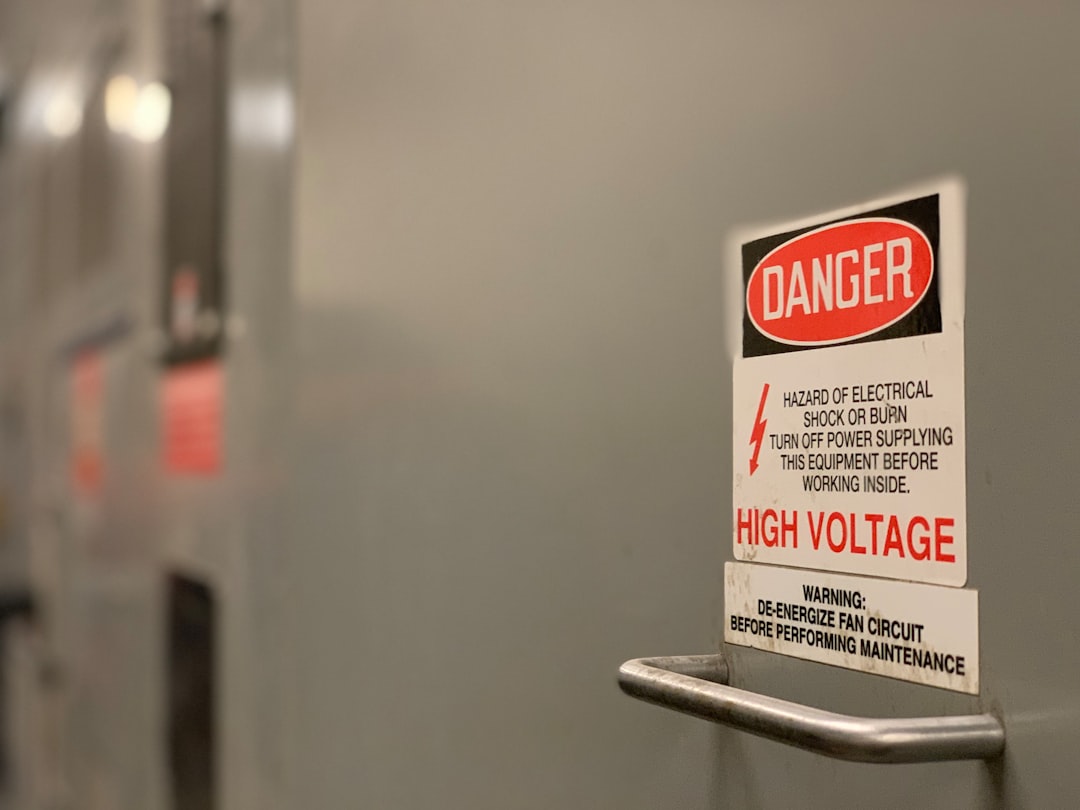
Attempting to change out your electrical panel yourself is one of the most dangerous home improvement mistakes you can make. This is not a project for DIY enthusiasts, regardless of skill level.
The risks are severe:
- Electrocution Risk: Working with your home's high-voltage main power supply carries a risk of severe injury or death.
- Fire Hazards: Improper wiring or loose connections create serious fire risks. Electrical issues already cause over 51,000 residential fires annually.
- Code Violations: DIY work almost guarantees violations of complex, evolving electrical codes, creating real safety hazards.
- Insurance Invalidation: Most homeowner's insurance policies will not cover damages resulting from unpermitted or improper DIY electrical work.
The Occupational Safety and Health Administration provides detailed information about Risks and considerations from OSHA associated with electrical work. The message is clear: leave this to the professionals.
How to Find and Hire a Qualified Electrician
Hiring the right electrician is crucial for ensuring safety, compliance, and reliability.
- Check for License and Insurance: Verify the electrician is licensed and insured in Massachusetts. This protects you and ensures they meet state competency standards.
- Read Customer Reviews: Read online reviews to gauge an electrician's professionalism, work quality, and commitment to customer service.
- Get Multiple Written Estimates: Get at least three detailed written estimates to compare the total cost to change out electrical panel, scope of work, materials, and warranties. Be cautious of unusually low bids.
- Verify Experience: Hire an electrician with specific, proven experience in panel upgrades for greater efficiency and expertise.
At Sartell Electrical Services, our decades of experience mean we've seen it all. Learn more about our qualified team on our
Find Licensed Residential Electricians Near Me page.
Financing Your Upgrade: Costs, Credits, and Savings
The
cost to change out electrical panel, which can reach $4,500 or more, can feel overwhelming. However, it's a critical investment in your home's safety and value. Fortunately, financing options and tax credits can help manage the cost.
Financing options include:
- Home equity loans or HELOCs: These are often the best bet, offering lower interest rates because they are secured by your property.
- Personal loans: This is another good option, with interest rates based on your credit score.
- Credit cards: These can work for smaller jobs, but be sure to pay the balance off quickly to avoid high interest.
At Sartell Electrical Services, we work with financing partners to help make your panel upgrade more manageable. We can discuss options that fit your budget during your consultation.
Are There Tax Credits or Rebates Available?
Yes, the federal
Energy Efficient Home Improvement Credit can help offset the cost. You can claim a tax credit for
30% of your project cost, up to $600.
To qualify, the new panel must have a
load capacity of 200 amps or more and be installed in conjunction with other qualifying energy improvements, like a heat pump. The credit is available through the end of 2025.
We recommend consulting the IRS
Details on the Energy Efficient Home Improvement Credit page and your tax professional for full details to ensure you qualify.
Over time, a modern electrical panel can pay for itself through
lower insurance premiums,
increased home value, and the
peace of mind that comes with improved safety.
Frequently Asked Questions about Electrical Panel Changes
With over three decades of experience helping Massachusetts homeowners, we've answered many questions about panel upgrades. Here are the most common ones.
How long does it take to change out an electrical panel?
A straightforward panel replacement typically takes
4 to 8 hours. More complex jobs that involve extensive rewiring or relocating the panel can take
20 or more hours, sometimes spanning several days.
You should plan to be without power for the duration of the installation. Please let us know ahead of time if you have critical medical equipment that requires uninterrupted power so we can help you make arrangements.
Does upgrading an electrical panel increase home value?
Absolutely. An electrical panel upgrade is a smart investment that increases home value in several ways.
Safety is a key selling point, as a modern panel signals to potential buyers that the home is safe and well-maintained. An upgraded panel also shows that the home can handle modern electrical demands, from EV chargers to smart home devices.
The financial benefits are real, too. Electrical upgrades offer a solid return on investment and can lead to lower insurance premiums due to the reduced fire risk.
What's the difference between replacing a panel and upgrading service?
These terms are often confused, but the difference significantly impacts the scope of work and the
cost to change out electrical panel.
- Panel replacement means installing a new panel with the same amperage as the old one. This is a less expensive option suitable for when your current panel is failing but your power needs are unchanged.
- Service upgrading means increasing your home's electrical capacity (e.g., from 100 amps to 200 amps). This is necessary when your power demands have outgrown your current system, such as when adding an EV charger or central air.
An upgrade is more extensive and costly because it often involves replacing the main service wires from the utility and the meter box to increase your home's overall electrical capacity.
Conclusion: An Investment in Your Home's Safety and Future
Understanding the
cost to change out electrical panel is about making a smart investment in your home's safety and future. Costs typically range from $1,200 for basic replacements to $4,500 or more for comprehensive upgrades. This investment pays dividends beyond the initial price, providing a foundation for safer living and supporting modern technology like EV chargers.
Professional installation is essential. DIY electrical work risks electrocution, fire, and code violations that can void your insurance. It is never worth cutting corners on professional expertise.
The long-term benefits are clear:
improved safety, increased capacity, higher home value, and potential insurance discounts.
For over 30 years, Sartell Electrical Services has helped Massachusetts homeowners make these important decisions with a commitment to excellence and transparency. When it's time for an upgrade, you need a partner who understands both the technical and financial aspects of the project.
Ready to take the next step? We'd love to provide you with a detailed, no-obligation assessment of your electrical needs. Contact us today for your personalized
Main Panel Upgrade Cost estimate and find out how we can help secure your home's electrical future.