Dedicated circuit installation cost 2025: Smart Guide
What You Need to Know About Dedicated Circuit Installation Cost
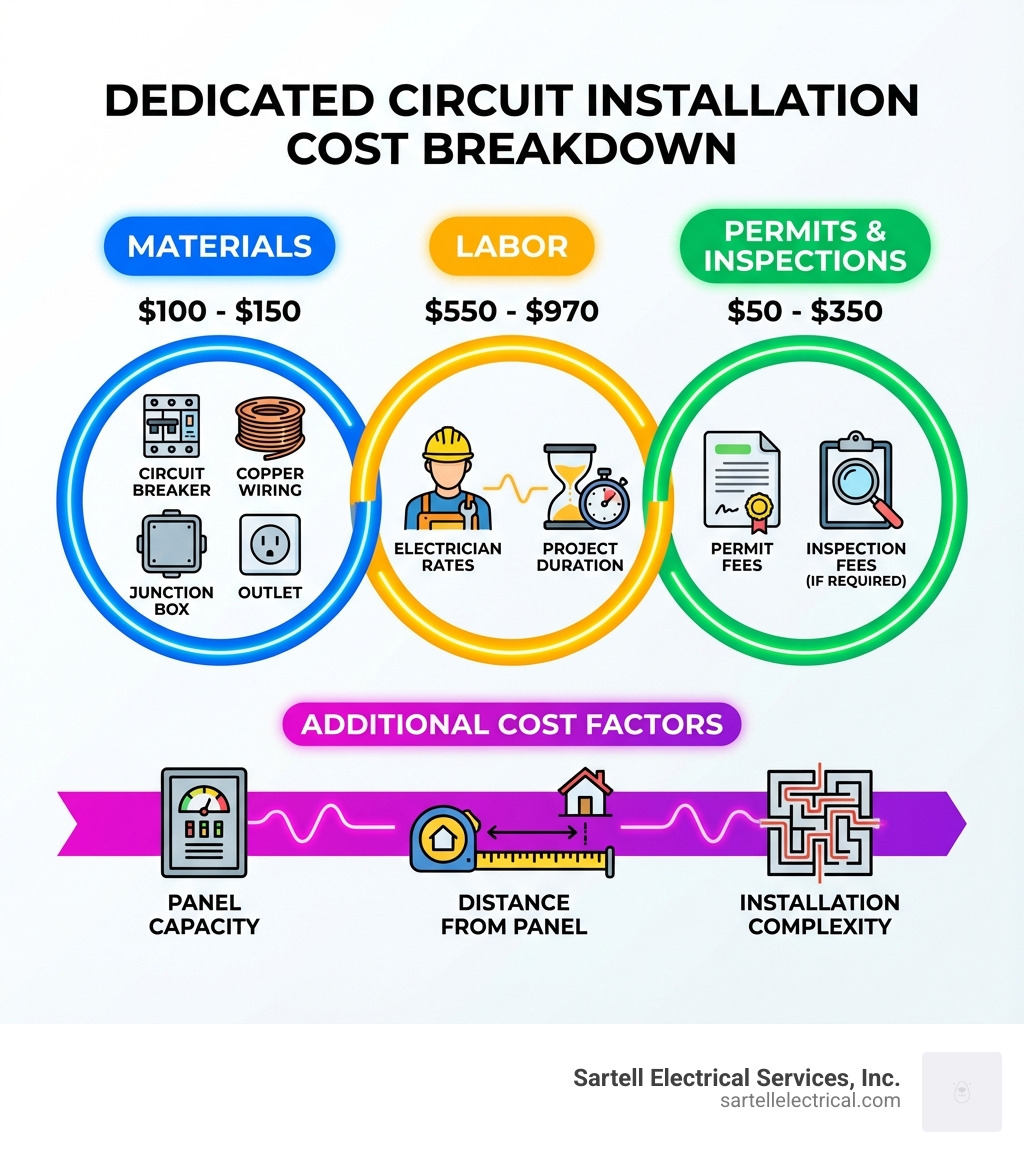
Dedicated circuit installation cost typically ranges from
$570 to $1,000, with most homeowners paying around
$700 for a complete installation. This price includes materials, professional labor, and the installation of a new circuit breaker with dedicated wiring to power a single appliance or outlet.
Quick Cost Breakdown:
- Total Average Cost: $700
- Typical Range: $570 - $1,000
- Materials: $100 - $150
- Labor: $550 - $970
- Permits/Inspections: $50 - $350 (if required)
If you're running a commercial facility, healthcare center, or industrial operation, understanding these costs is critical for budget planning—especially when you're adding high-demand equipment like HVAC systems, commercial kitchen appliances, or specialized machinery that can't afford to trip a shared circuit.
The final price depends on several factors: the type of circuit you need (20-amp for standard appliances or 30-50-amp for heavy equipment), how far the electrician needs to run wire from your panel, whether your existing panel has capacity, and your local permit requirements. Complex installations that require opening walls, upgrading panels, or running long wire distances will naturally cost more.
I'm Ed Sartell, and I've been installing dedicated circuits for residential and commercial clients across Massachusetts since 1985. Over nearly four decades, I've seen how proper dedicated circuit installation cost planning helps facility managers and building owners avoid expensive downtime and safety issues down the road.
The "Why": Understanding the Need for a Dedicated Circuit
Imagine your home's electrical panel as a busy highway interchange. Each circuit is a lane, and each appliance is a vehicle. If too many big trucks (high-power appliances) try to squeeze into one lane, traffic slows down, and eventually, the whole system might grind to a halt. In electrical terms, that "grinding halt" is a tripped breaker or, worse, an electrical fire. That's why understanding the need for a dedicated circuit is so crucial.
A dedicated circuit is essentially a private, express lane for a single, power-hungry appliance or outlet. It contains its own hot, neutral, and ground wire, connected to a single circuit breaker in your electrical panel. This setup ensures that the appliance receives the precise amount of power it needs without having to share with other devices. This "VIP treatment" prevents simultaneous loads elsewhere from starving it of amperage.
Why is this so important?
- Prevents Tripped Breakers and Power Interruptions: Without a dedicated circuit, an appliance drawing significant power can overload a shared circuit, causing the breaker to trip. This is not only inconvenient but can interrupt critical operations, especially in commercial or industrial settings.
- Protects Expensive Appliances: When appliances don't receive stable, sufficient power, they can struggle to operate efficiently. This can lead to premature wear and tear, reducing their lifespan and potentially voiding manufacturer warranties. Many manufacturers explicitly state that warranties may be voided if equipment shares circuits and exceeds nameplate amperage.
- Reduces Fire Hazards: Overloaded circuits generate excessive heat, which can degrade wire insulation and increase the risk of electrical fires. A dedicated circuit ensures the appliance has its own safe power supply, significantly reducing this danger.
At Sartell Electrical Services, Inc., we specialize in
Residential Electrical Upgrades that prioritize safety and efficiency. We ensure your home's electrical system can handle today's demands and tomorrow's innovations.
Which Appliances Need a Dedicated Circuit?
Many modern appliances, especially those with heating elements or powerful motors, require their own dedicated circuit to operate safely and effectively. Here's a list of common culprits that often need a dedicated circuit:
- Kitchen Appliances:
- Refrigerator (especially newer, larger models with ice makers)
- Electric Range/Oven
- Microwave (built-in or high-wattage countertop models)
- Dishwasher
- Garbage Disposal
- Toaster Oven
- Chest Freezers
- Laundry Appliances:
- Washing Machine
- Electric Dryer
- HVAC and Water Heating:
- Central Air Conditioning Units
- Furnaces
- Water Heaters
- Sump Pumps
- Larger Window AC Units
- High-Power Home & Recreational Equipment:
- Electric Vehicle (EV) Chargers
- Hot Tubs, Saunas, Whirlpools
- Central Vacuums
- Heated Floors
- Workshop Tools (e.g., table saws, welders)
- Other Essential Systems:
- Hard-wired Smoke Detectors
- Bathroom Fans
- Garage Door Openers
Signs You Might Need a Dedicated Circuit
Your home's electrical system often "speaks" to us through various warning signs. Recognizing these can prevent serious issues:
- Flickering or Dimming Lights: If your lights flicker or dim when a major appliance kicks on, it's a strong indicator that the appliance is drawing too much power from a shared circuit.
- Frequent Breaker Trips: This is the most obvious sign. If a breaker trips every time you use a specific appliance, it's definitely overloaded and needs its own circuit.
- Buzzing Sounds or Warm Outlets/Switches: A faint burnt-plastic smell near a panel or receptacle often means conductor insulation is cooking under continuous overload. Buzzing sounds from breakers or outlets can indicate arcing connections caused by heat expansion and loose terminal screws.
- Outlets that Feel Warm to the Touch: This is a serious warning sign of overheating and potential fire risk.
Consequences of Not Having Dedicated Circuits
Ignoring these signs or foregoing dedicated circuits for power-hungry appliances can lead to several serious consequences:
- Appliance Damage and Reduced Lifespan: Inconsistent power supply can strain appliance motors and electronics, leading to breakdowns and a shorter life.
- Voided Warranties: Many appliance manufacturers require dedicated circuits for their products to maintain warranty coverage.
- Electrical Fires: This is the most dangerous outcome. Overloaded circuits can overheat, melt wiring, and ignite insulation or nearby combustible materials. Professional intervention costs far less than hospital visits or structural fire remediation.
- Code Violations: Electrical codes, both national and local in Massachusetts, mandate dedicated circuits for many fixed appliances over 1,000 watts. Non-compliance can lead to fines and complications during home inspections or sales.
Breaking Down the Dedicated Circuit Installation Cost in 2025
When we talk about the
dedicated circuit installation cost, we're looking at an average of around $700, with a typical range between $570 and $1,000. This estimate is for a standard installation in a readily accessible area. However, this is a starting point, and your specific project may vary.
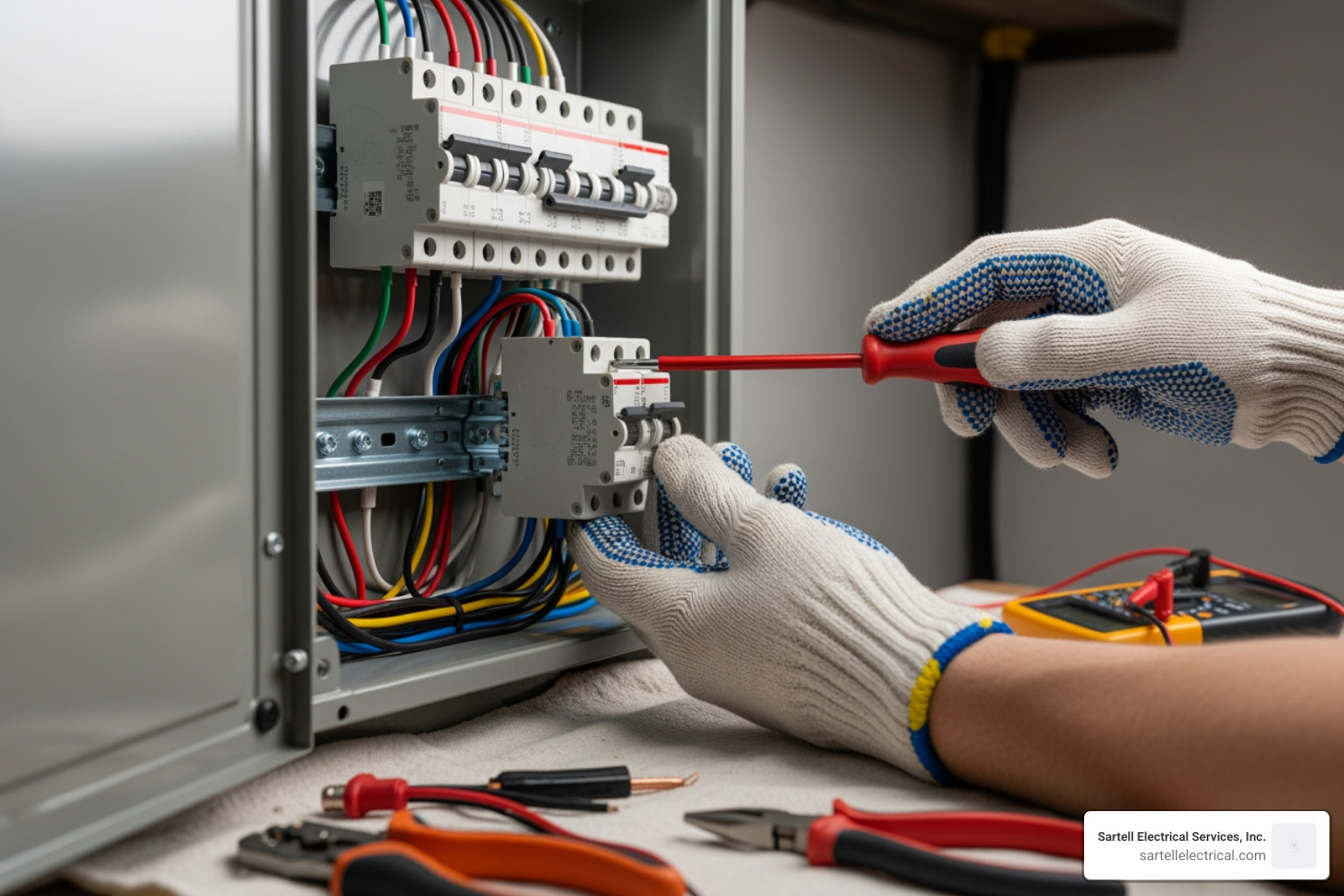
The overall cost is influenced by several factors, including the type of circuit, the materials needed, labor rates, and any additional work required. Let's break down these components.
Material Costs: A Key Part of Your Dedicated Circuit Installation Cost
For a standard dedicated circuit installation, the material costs typically run between $100 and $150. These are the physical components we use to ensure your new circuit is safe and reliable. These supplies are consistent with those used in professional installations by Sartell Electrical Services, Inc.
Here's a closer look at what's included:
- Circuit Breaker: This is the safety device that trips to cut off power if the circuit is overloaded. Costs usually range from $10 to $30, though specialized breakers (like GFCI or AFCI) can be more.
- Copper Wiring: The backbone of the circuit. The cost depends on the gauge (thickness) and the distance it needs to run. Expect to pay around $1 per foot for standard wiring. Longer runs, especially to detached structures, might require larger gauge conductors to prevent voltage drop.
- Junction Box: A protective enclosure for electrical connections, typically costing $10 to $20.
- Outlet/Receptacle: If the dedicated circuit is for a new outlet, the cost of the outlet itself is included. Standard 120V outlets are common, but higher-voltage outlets (220V, 240V, 250V) will be needed for many large appliances.
- Fasteners and Fittings: Small but essential components like wire nuts, clamps, straps, and connectors, which typically add $5 to $20 to the material cost.
While material costs are a significant part of the equation, they often represent a smaller portion of the total
dedicated circuit installation cost compared to labor.
Labor Costs: The Biggest Factor in Dedicated Circuit Installation Cost
Labor is almost always the largest component of any electrical project, and installing a dedicated circuit is no exception. For this type of work, labor costs can range from $550 to $970.
Why such a range?
- Electrician Hourly Rates: Professional electricians in Massachusetts typically charge between $50 and $130 per hour for their services. These rates reflect their extensive training, licensing, insurance, and the specialized nature of electrical work.
- First-Hour Call-Out Fee: Many electricians, including our team, have a minimum charge or a higher rate for the first hour of service, often around $150. This covers travel time, initial assessment, and setup.
- Project Duration: A typical dedicated circuit installation can take anywhere from 2 to 4 hours, depending on the complexity, distance from the panel, and accessibility of the work area. If walls need to be opened or if the panel is difficult to access, this time can increase.
We pride ourselves on employing highly skilled and
Licensed Home Electrician professionals who ensure every installation is done safely and according to code. Our expertise ensures a smooth and efficient process, even for more challenging projects.
Geographic Location: How Your Zip Code Affects the Price
Where you live can significantly impact the
dedicated circuit installation cost. In Massachusetts, especially in higher cost-of-living areas like Greater Boston (including Boston, Cambridge, Newton, etc.) and surrounding counties such as Middlesex, Essex, and Norfolk, labor rates tend to be higher than the national average.
- Higher Labor Rates: The demand for skilled tradespeople and the general cost of doing business are higher in these regions. This translates directly into higher hourly rates for electricians.
- Local Code Requirements: Massachusetts has specific electrical codes and regulations that must be adhered to. These codes ensure safety but can sometimes necessitate additional materials or more complex installation methods, potentially increasing costs. For instance, some local jurisdictions might have specific requirements for conduit use or ground fault circuit interrupters (GFCIs) in certain areas.
- Permit and Inspection Fees: These fees vary by municipality. While a permit for a dedicated circuit might be $50 in one town, it could be $150 in a neighboring city within the Greater Boston area.
When we provide an estimate, we always factor in these local nuances to give you the most accurate and transparent
dedicated circuit installation cost for your specific location within our service area.
Key Factors That Influence Your Final Bill
Beyond the basic material and labor costs, several other factors can significantly influence your final
dedicated circuit installation cost. These often relate to the specific characteristics of your home or business and the complexity of the installation.
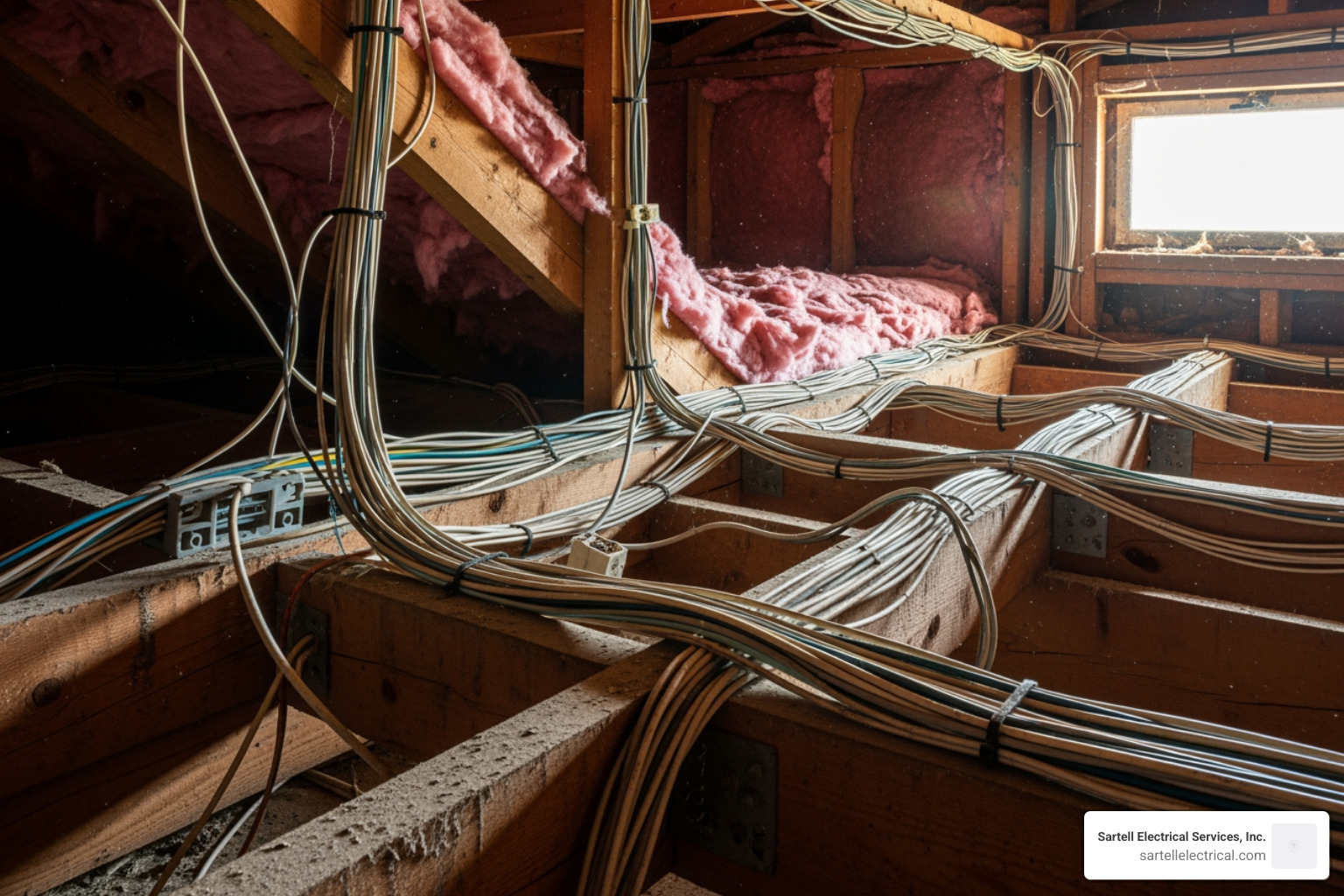
- Accessibility Challenges: Running new wiring through finished walls, ceilings, or floors is more time-consuming and labor-intensive than working in an unfinished basement or attic. Difficult access can mean more hours for the electrician and potentially require minor drywall repair afterward.
- Distance from Panel: The farther the new circuit needs to run from your main electrical panel to the appliance's location, the more wiring and conduit will be required. This increases both material costs (more wire) and labor costs (longer installation time).
Circuit Type and Amperage
Dedicated circuits come in different amperages and voltages, designed to meet the specific power demands of various appliances. The type you need will directly impact the
dedicated circuit installation cost.
Here's a comparison of common circuit types:
| Circuit Type |
Voltage |
Typical Use Cases |
Common Appliances |
| 20-Amp 120V |
120V |
Standard heavy-duty appliances, workshop tools |
Refrigerator, Microwave, Dishwasher, Washing Machine, Sump Pump, Garage Outlets, Computer Equipment, Toaster Ovens |
| 30-50-Amp 240V |
240V |
High-power appliances with heating elements or large motors |
Electric Range/Oven, Electric Dryer, Central AC Unit, Water Heater, Hot Tub, EV Charger, Welders |
While material costs for a 30-50-amp circuit might be slightly higher due to thicker gauge wire and larger breakers, the overall installation process is similar to a 20-amp circuit. Therefore, the difference in
dedicated circuit installation cost between these types is often less significant than you might expect, largely due to labor being the dominant factor.
Installation Complexity and Add-Ons
Sometimes, installing a dedicated circuit isn't as simple as just running a new wire. Your existing electrical infrastructure might need adjustments, leading to additional costs.
- Panel Capacity Check: Before adding a new circuit, we always perform a thorough panel capacity check. If your existing electrical panel is full, or if it doesn't have enough overall capacity to handle the new load, you'll need an upgrade.
- Subpanel Installation: If your main panel is full but has sufficient overall capacity, we might install a subpanel. This acts as a smaller, secondary electrical panel that branches off the main one. A subpanel installation typically costs between $500 and $1,700.
- Main Panel Upgrade: If your entire electrical system is outdated or lacks the necessary amperage (e.g., upgrading from 100 amps to 200 amps), a full Main Electrical Panel Upgrade will be necessary. This is a more substantial project, costing anywhere from $1,300 to $2,500 for a 200-amp upgrade, or even $2,000 to $4,000 for a 400-amp upgrade.
- Drywall Repair: If running the new circuit requires cutting into walls or ceilings to fish wires, there will be a need for drywall repair and potentially painting afterward. While we focus on the electrical work, coordinating these repairs is an additional consideration.
- Trenching for Outdoor or Garage Circuits: For dedicated circuits to outdoor appliances (like a hot tub) or a detached garage, we might need to run underground wiring. This often involves trenching, which adds significant cost due to excavation labor and specialized conduit.
- Permit and Inspection Fees: In Massachusetts, most electrical work, including installing a new dedicated circuit, requires a permit from your local municipality. These fees typically range from $50 to $350, depending on your city or town. We always handle the permit process to ensure compliance with local codes and arrange for the necessary inspections. Working without permits can lead to fines, safety issues, and complications with insurance or future home sales.
These add-ons can significantly increase the total
dedicated circuit installation cost, but they are often necessary to ensure the safety and functionality of your electrical system.
Frequently Asked Questions about Dedicated Circuit Installation
We understand that installing a dedicated circuit can bring up a lot of questions. Here are some of the most common ones we hear from homeowners and businesses across Massachusetts:
How long does it take to install a dedicated circuit?
For a straightforward installation, running a new dedicated circuit typically takes our electricians between
2 to 4 hours. This timeframe includes the initial assessment, running the wire, installing the new breaker in the panel, and connecting the outlet or appliance.
However, several factors can influence the duration:
- Distance from the Panel: Longer wire runs naturally take more time.
- Accessibility: If we need to fish wires through finished walls, ceilings, or crawl spaces, it adds to the complexity and time. Working in an unfinished basement or attic is usually quicker.
- Wall Material: Drilling through masonry or concrete takes longer than through drywall.
- Panel Capacity: If your electrical panel is full or requires an upgrade, the project will take longer, as it involves additional electrical work.
Beyond the physical installation, remember to factor in the time for
permit and inspection scheduling. In Massachusetts, obtaining a permit and scheduling the final inspection can add several days to a few weeks to the overall project timeline, depending on your local building department's schedule. We manage this process for you to ensure everything is compliant.
How can I save money on the installation?
While safety and compliance should always be the top priority, there are ways homeowners and businesses can potentially reduce the
dedicated circuit installation cost:
- Bundle Multiple Electrical Jobs: If you need more than one dedicated circuit installed, or have other electrical projects on your list (like adding outlets or upgrading lighting), bundling them into a single service call can save on travel fees and initial setup costs. This makes the per-circuit cost more efficient.
- Prepare the Work Area for Easy Access: Clear furniture, boxes, or anything obstructing access to your electrical panel and the intended path for the new wiring. This can reduce the electrician's labor time.
- Schedule During Off-Peak Seasons: While less predictable, some electrical contractors might have more flexible scheduling or slightly lower rates during traditionally slower months (e.g., late fall or winter). However, the demand for essential electrical services in Massachusetts remains fairly consistent year-round.
- Get Multiple Quotes: We always recommend obtaining quotes from at least three reputable, licensed electricians. This allows you to compare pricing, understand the scope of work, and choose the best fit for your project. Be wary of unusually low bids, as they might indicate shortcuts or a lack of proper licensing and insurance.
Why shouldn't I install a dedicated circuit myself (DIY)?
We understand the appeal of DIY projects, but when it comes to electrical work, especially installing new circuits, it's a job best left to the professionals. The risks associated with DIY electrical installations far outweigh any potential cost savings:
- Electrical Shock Risk: Working with live electricity is extremely dangerous. One wrong move can lead to severe injury or even death from electrical shock.
- Fire Hazards from Improper Wiring: Incorrect wiring, loose connections, or using the wrong gauge wire can cause overheating, short circuits, and ultimately, electrical fires. The National Electrical Code (NEC) and local Massachusetts codes are in place for a reason – to prevent these dangers.
- Code Violations and Fines: Most municipalities in Massachusetts require permits and inspections for new electrical circuits. DIY work often bypasses these requirements, leading to non-compliant installations. This can result in fines, the need for costly rework by a licensed professional, and complications during future home sales.
- Insurance and Warranty Issues: Improperly installed electrical work can void your homeowner's insurance policy. In the event of an electrical fire or incident, your claim might be denied if the work wasn't performed by a licensed professional and inspected. Appliance warranties may also be voided.
- Importance of Professional Installation: Licensed electricians have the training, experience, and specialized tools to perform the work safely, efficiently, and in full compliance with all applicable codes. They understand load calculations, proper wire sizing, grounding, and the intricacies of your electrical panel.
For your safety and peace of mind, and to ensure your home or business meets all electrical safety standards, always hire a professional for dedicated circuit installation. We prioritize
Electrical Safety Checks as part of every project we undertake.
Your Next Steps for a Safe and Compliant Installation
We hope this guide has demystified the
dedicated circuit installation cost and the critical reasons behind it. Installing dedicated circuits is more than just an expense; it's an investment in the safety, performance, and long-term value of your property. By ensuring your major appliances have their own dedicated power supply, you prevent inconvenient breaker trips, protect your valuable equipment, and significantly reduce the risk of electrical fires.
The benefits extend beyond immediate safety: properly wired homes and businesses meet modern electrical demands, enhancing functionality and often increasing property value. An updated electrical system is a significant selling point, as over 50% of home buyers would pay more for a home with updated electrical.
When it's time to install a new dedicated circuit, the most crucial step is to hire a licensed and insured professional. Attempting DIY electrical work can lead to dangerous situations, code violations, and costly repairs down the line. A professional electrician ensures the work is done correctly, safely, and in compliance with all local Massachusetts codes.
At Sartell Electrical Services, Inc., we bring over 30 years of experience to every project. We've been proudly serving residential, commercial, industrial, telecom, and healthcare clients across Massachusetts, including Greater Boston, Middlesex County, Essex County, and Norfolk County, since 1985. Our commitment to excellence, leadership, and customer service means we handle every installation with the utmost care and expertise.
Whether you need a dedicated circuit for a new electric vehicle charger, a high-power kitchen appliance, or specialized industrial equipment, we're here to help you steer the process.
Ready to ensure your electrical system is safe, efficient, and ready for anything?
Learn more with our Electrical Panel Upgrade Cost Guide 2025 or contact us today for a professional assessment and quote custom to your specific needs.