Is Professional GFCI Installation in Andover MA Worth It?
Quick answer for Andover homeowners and property managers:
| What you need to know | The short answer |
|---|---|
| What is a GFCI outlet? | A safety device that cuts power within 1/40th of a second when it detects a current imbalance |
| Where are they required in MA? | Kitchens, bathrooms, laundry rooms, garages, outdoor areas, basements, crawlspaces |
| Can I install one myself? | Technically yes, but wiring errors create serious risks — a licensed electrician is strongly recommended |
| How much does it cost in Andover? | Simple repairs start around $150; full installations vary by scope |
| Do I need a permit in Andover? | Yes — a licensed contractor must file an electrical permit within 5 days of starting work |
GFCI installation in Andover MA is one of the most important electrical upgrades you can make to protect your home or commercial property. These small devices react faster than a heartbeat to shut off power when they sense something is wrong — preventing electrical shocks that can seriously injure or kill. Yet many Andover homes, especially older ones, still lack proper GFCI protection in the areas where it matters most.
If your property has outdated outlets, ungrounded two-prong receptacles, or outlets near water that have never been upgraded, you may be out of compliance with Massachusetts electrical code — and more importantly, at real safety risk.
I'm Ed Sartell, President of Sartell Electrical Services, Inc., and I've been overseeing residential and commercial electrical work across Massachusetts since 1985 — including hundreds of GFCI installation projects in Andover MA and the surrounding Merrimack Valley. In this guide, I'll walk you through everything you need to know to make the right decision for your property.
Why Professional GFCI Installation Andover MA is Essential
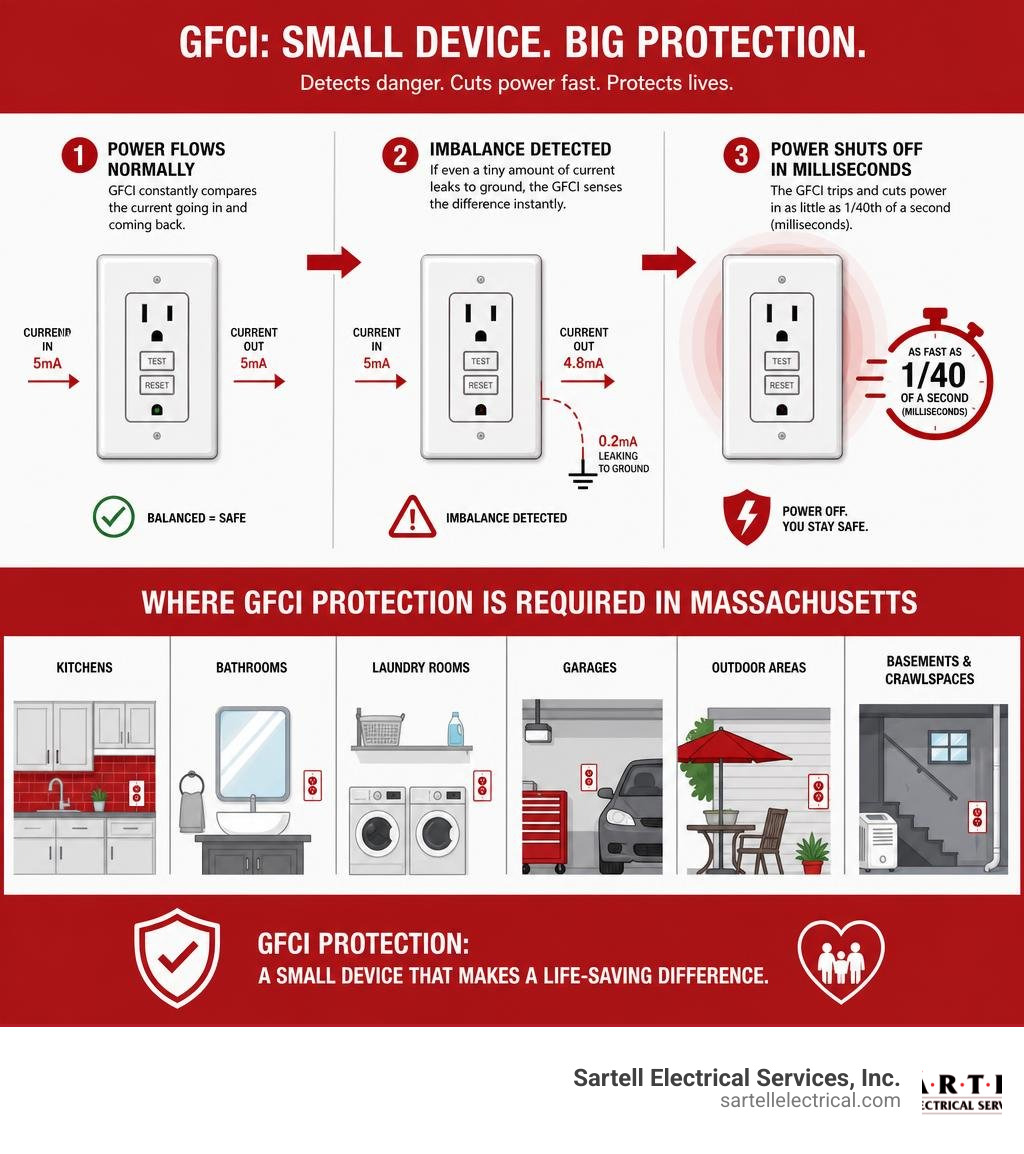
To understand why professional installation is so critical, we first have to look at what a GFCI actually does. GFCI stands for Ground Fault Circuit Interrupter. In simple terms, it is an ultra-sensitive safety monitor built right into your wall outlet or electrical panel.
Under normal operating conditions, the electricity flowing into an appliance through the "hot" wire should exactly match the current returning through the "neutral" wire. But if electricity finds an alternative path to the ground—such as through water, a damp floor, or worse, your body—a "ground fault" occurs.
A GFCI outlet continuously monitors this electrical balance. If it detects a differential current as tiny as 4 to 6 milliamperes, it assumes something is terribly wrong. According to OSHA standards, a GFCI reacts in approximately 1/40th of a second to completely stop the flow of electricity. This lightning-fast response prevents the current from passing through your heart, effectively saving you from a lethal electrical shock.
Without these devices, a standard outlet will keep pushing electricity through a fault until the main circuit breaker trips. Unfortunately, standard breakers are designed to protect your home's wiring from overheating and catching fire; they will not trip at the low current levels that can stop a human heart. This is why having properly functioning GFCI protection is non-negotiable for residential safety. To learn more about how these devices fit into your overall home safety plan, check out our guide on Electrical Safety Checks and see how local home inspectors evaluate these systems at GFCI Receptacles - Massachusetts Home Inspections.
Where Massachusetts Code Mandates GFCI Installation Andover MA
In Massachusetts, electrical safety is governed by the Massachusetts Electrical Code (MEC), which adopts the National Electrical Code (NEC) alongside state-specific amendments. The state transitioned to the updated NEC standards, which significantly expanded where ground-fault protection must be installed.
Generally speaking, any area of your home where water and electricity could potentially shake hands must have GFCI protection. According to Massachusetts regulations, these locations include:
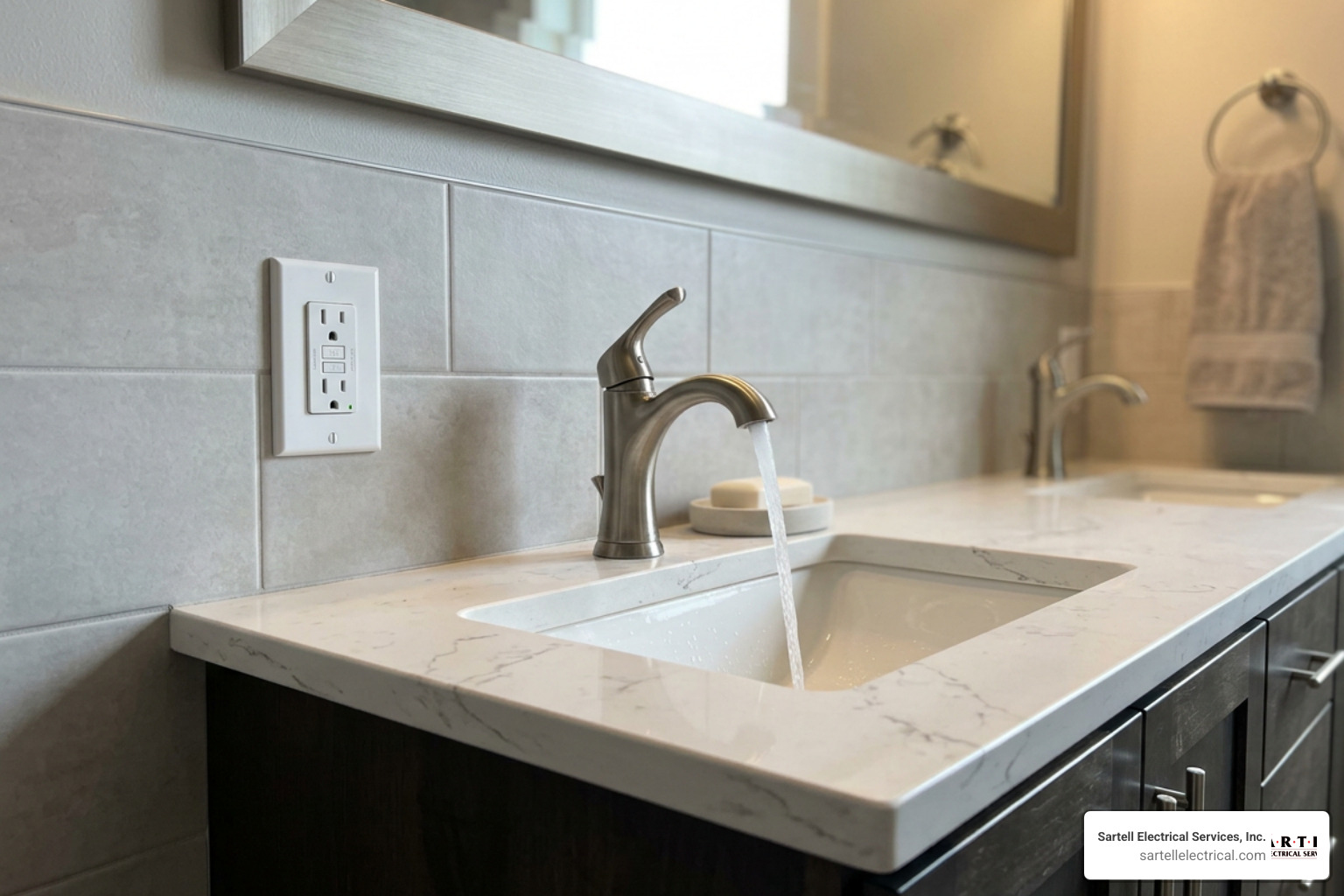
- Bathrooms: All receptacles must be GFCI-protected, without exception.
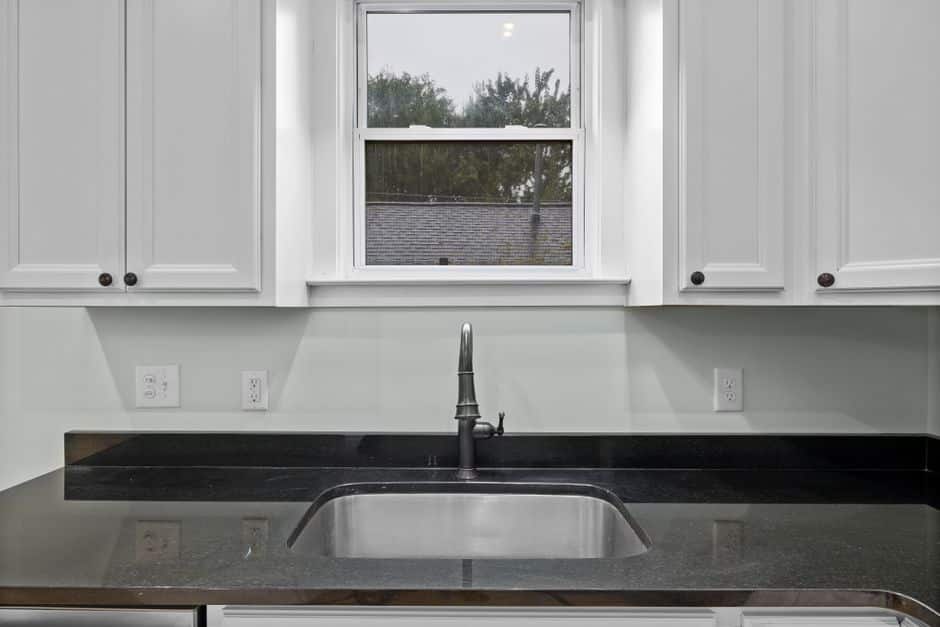
- Kitchens: All receptacles serving countertop surfaces, plus any outlet within 6 feet of the kitchen sink.
- Laundry Areas: Any outlet located within 6 feet of a sink, washing machine, or laundry tub.
- Garages and Accessory Buildings: Any unfinished space or work area where damp concrete floors can create an easy path to ground.
- Basements and Crawlspaces: Both finished and unfinished basements require complete GFCI protection.
- Outdoor Spaces: All exterior outlets must be GFCI-protected and housed in weatherproof, "while-in-use" covers.
If you are planning renovations or simply want to ensure your home meets local guidelines, you can review the official state requirements on the AFCI and GFCI Requirements in Massachusetts | Massachusetts Electrical Authority page.
GFCI vs. AFCI: Two Essential Safety Technologies
We often hear homeowners ask, "If I have GFCI outlets, do I still need AFCI protection?" The short answer is yes. They are two entirely different safety systems designed to protect against two entirely different hazards.
While a GFCI protects people from getting shocked, an AFCI (Arc-Fault Circuit Interrupter) protects your property from catching fire. AFCIs detect dangerous electrical arcing—sparking that occurs when wires are damaged, loose, or pierced by a stray nail behind your walls.
| Feature | GFCI (Ground Fault Circuit Interrupter) | AFCI (Arc-Fault Circuit Interrupter) |
|---|---|---|
| Primary Purpose | Prevents electrical shock and electrocution | Prevents electrical fires caused by arcing wires |
| How It Works | Detects current imbalances between hot and neutral wires | Detects abnormal sparking/arcing patterns in wiring |
| Reaction Speed | Approx. 1/40th of a second | Instantaneous upon detecting signature arc patterns |
| Typical Locations | Kitchens, bathrooms, garages, outdoors, basements | Bedrooms, living rooms, dining rooms, hallways |
| Required by Code | Yes, near water sources and damp environments | Yes, throughout standard living spaces |
Both technologies work together to form a complete safety shield for your household. To dive deeper into how these systems protect your home from hidden electrical dangers, read our comprehensive resource, Don't Get Zapped: A Guide to Home Electrical Safety Checks.
Why Upgrading Older Andover Homes is Crucial
Andover is famous for its beautiful, historic neighborhoods. From classic Colonials near downtown to historic Victorians near the Academy, our town’s architecture is unmatched. However, historic charm often comes with historic electrical systems.
Many older homes in Andover still feature original two-prong outlets. These outlets are ungrounded, meaning they lack the third "ground" wire that provides a safe pathway for stray electricity to escape. Running modern appliances, computers, and home entertainment systems on ungrounded circuits is a recipe for damaged electronics and increased fire risks.

Updating these systems is a vital part of property preservation. If you want to understand how ground faults behave in older wiring systems, take a look at our step-by-step article on Fixing Ground Faults in Your Home Electrical System.
Upgrading Two-Prong Outlets to GFCI Receptacles
Rewiring an entire historic home to add a ground wire to every single outlet can be a massive, invasive, and expensive undertaking. Fortunately, the National Electrical Code offers an approved, cost-effective alternative for older properties: retrofitting with GFCI outlets.
Under NEC rules, you can replace an ungrounded two-prong outlet with a three-prong GFCI outlet. Even though there is no physical ground wire attached to the GFCI, the internal circuitry of the device will still trip and protect you if a ground fault occurs.
However, there is a strict catch: these retrofitted outlets must be clearly labeled with stickers that read "No Equipment Ground" and "GFCI Protected." This alerts future users that while they are safe from shocks, sensitive electronic equipment (like high-end gaming PCs or surge protectors) won't have a true ground path to drain away excess voltage. If you want to see exactly how these units are wired under different configurations, you can watch this helpful How to Install a GFCI Outlet with 2 or 4 Wires, Step-by-Step Guide.
Warning Signs Your Outlets Need Immediate GFCI Installation Andover MA
Like any mechanical or electronic device, GFCI outlets do not last forever. Most modern GFCI receptacles have a lifespan of about 10 to 15 years. If your outlets are displaying any of the following warning signs, they need to be evaluated and replaced immediately:
- Warm or Discolored Faceplates: If an outlet cover feels warm to the touch or shows signs of yellowing, browning, or melting, it indicates excessive heat buildup from loose internal connections. This is a severe fire hazard.
- Physical Cracks or Loose Plugs: Cracked plastic housings allow dust and moisture to enter the device. If your plugs slip out of the outlet easily, the internal metal contacts are worn out and can cause dangerous arcing.
- Failure to Reset: When you press the "Test" button, the "Reset" button should pop out and cut power. If the button refuses to click back in, or if the outlet remains dead even after pressing reset, the internal sensor has failed.
- Persistent Tripping: If an outlet trips constantly without a heavy appliance plugged into it, you may have an active ground fault hidden in the walls, or the GFCI mechanism itself has degraded.
If you are dealing with an outlet that refuses to cooperate, read our diagnostic guide on GFCI Not Resetting to determine if it's a simple fix or if it's time to call in the professionals.
The Professional Installation Process and Local Regulations
When it comes to municipal rules, the Town of Andover takes electrical safety seriously. According to the Andover Building Division, any electrical work beyond minor maintenance requires an electrical permit.
By local law, this permit must be filed by a licensed electrical contractor within 5 days of starting the work. Once the project is complete, the local wire inspector must examine the installation to verify that it complies with all state and local codes. Doing electrical work without a permit can lead to fines, voided home insurance policies, and issues when you try to sell your home. You can review the official municipal requirements directly on the Andover Building Permit Checklist or contact a qualified Andover MA Electrician to handle the paperwork for you.
Why DIY GFCI Installation is a Safety Risk
With hundreds of online DIY tutorials available, it can be tempting to try installing a GFCI outlet yourself. However, electrical work is unforgiving. A single misplaced wire can turn a safety device into a serious hazard.
The most common mistake DIYers make is confusing the "Line" and "Load" terminals on the back of the GFCI receptacle.
- The Line terminals are for the incoming power from your electrical panel.
- The Load terminals are designed to send protected power downstream to other outlets on the same circuit.
If you wire these backward, the outlet itself will still supply power, but the safety trip mechanism will be completely bypassed. You’ll have an outlet that looks like a GFCI, resets like a GFCI, but will not protect you during a ground fault. Other common errors include reverse polarity, loose wire nuts that cause electrical fires, and failing to properly ground the metal junction box. If you suspect your current outlets have been wired incorrectly, read our guide on How to Fix a Ground Fault in 5 Simple Steps to understand how we identify and correct these wiring faults safely.
What to Expect: Installation Timeline and Cost in Andover, MA
When you hire a professional team like Sartell Electrical Services, Inc., the installation process is smooth, efficient, and transparent.
For a standard home, replacing a few outdated outlets with new GFCI receptacles typically takes between 1 to 2 hours. If we need to install a dedicated circuit or run new wiring from your main electrical panel, the job may take a half or full day.
In terms of cost, simple repairs and single-outlet swaps generally start around $150. The total investment will depend on:
- The number of outlets being replaced or added.
- Whether your existing electrical boxes are large enough to house modern, bulky GFCI units.
- The cost of the local Andover electrical permit.
- Whether your panel requires a specialized GFCI circuit breaker rather than individual wall outlets.
We believe in providing upfront, clear pricing before any work begins so you are never surprised by the final bill. You can learn more about how we structure our residential projects by visiting our Residential Electrical Services Complete Guide.
Frequently Asked Questions About GFCI Outlets
How often should I test my GFCI outlets?
You should test all the GFCI outlets in your home once a month. To do this, simply plug a small lamp or outlet tester into the receptacle, then press the "Test" button. The lamp should turn off instantly, and the "Reset" button should pop out. Press "Reset" to restore power. If the light stays on or the button fails to pop, the device is faulty and must be replaced. If you suspect an issue with your home's grounding system during these tests, consult our Ground Fault Repair guide for troubleshooting tips.
Can a GFCI outlet protect downstream outlets on the same circuit?
Yes! By utilizing the "Load" terminals on the back of a GFCI receptacle, a single GFCI outlet can extend ground-fault protection to multiple standard "downstream" outlets connected on the same circuit. This is a highly efficient way to bring entire rooms up to code without buying expensive GFCI units for every single wall opening. To learn more about circuit design and downstream protection, check out our Residential Electrical Services Complete Guide.
What should I do if my GFCI outlet keeps tripping?
If a GFCI outlet trips repeatedly, it is doing its job. It usually means one of three things: a "leak" of electrical current is occurring (often caused by a faulty appliance like a damp outdoor light or a failing toaster), the circuit is overloaded with too many high-draw devices, or the GFCI unit itself has worn out and needs replacement. Do not ignore a constantly tripping outlet. For a detailed walkthrough on how to isolate the problem, read Stop the Trip: A Guide to Fixing Your GFCI Outlet.
Conclusion
At the end of the day, GFCI installation in Andover MA is not just about checking a box for your local building inspector or passing a home sale contingency. It is about protecting your family, your tenants, and your property from entirely preventable electrical accidents.
Since 1985, our team at Sartell Electrical Services, Inc. has built a reputation across the North Shore and Merrimack Valley for safety, reliability, and exceptional customer care. Whether you need a single bathroom outlet upgraded or want a comprehensive safety audit of your historic Andover home, we are here to help.
Don't wait for a warning shock to tell you your outlets are outdated. If you're ready to secure your property or need help troubleshooting an annoying electrical issue, read our expert resource on how to Stop the Trip: A Guide to Fixing Your GFCI Outlet or reach out to us today to schedule your professional installation!