Electrical inspection cost near me: Smart $150 Safety
Why Understanding Electrical Inspection Cost Near Me Matters
Electrical inspection cost near me is a crucial consideration for any property owner seeking to ensure safety, maintain home value, and avoid costly emergencies. Whether you're purchasing a home, managing a commercial facility, or simply maintaining your property, knowing what to expect financially can help you budget appropriately and make informed decisions.
Quick Answer: What You'll Pay
- Average Cost: $150 (most common)
- Typical Range: $100 - $400
- Standard Safety Inspection: $100 - $200
- Full Home Inspection: $250 - $400
- Infrared Inspection Add-On: $150 - $350
These costs vary based on your home's size, age, location, and the type of inspection needed. Geographic factors and the electrician's experience level also play significant roles in final pricing.
Understanding electrical inspection costs goes beyond simple budgeting.
Regular inspections identify potential safety hazards like faulty wiring, overloaded circuits, and outdated electrical panels—issues that can lead to electrical fires or system failures. For commercial and institutional clients, these inspections are essential for maintaining code compliance, protecting occupants, and avoiding project delays during critical timelines.
An electrical inspection provides
peace of mind that your property's electrical system meets current safety standards. For home buyers, it reveals hidden issues before closing. For business owners, it ensures operational continuity and protects against liability. In real estate transactions, electrical infractions are consistently identified as major hold-ups, making proactive inspections a smart investment.
I'm Ed Sartell, and as President of Sartell Electrical Services since 1985, I've helped thousands of clients across Massachusetts understand electrical inspection cost near me and steer the inspection process with confidence. With nearly four decades of hands-on experience, I've seen how proper inspections protect properties, prevent emergencies, and save money in the long run.
Understanding the Average Electrical Inspection Cost
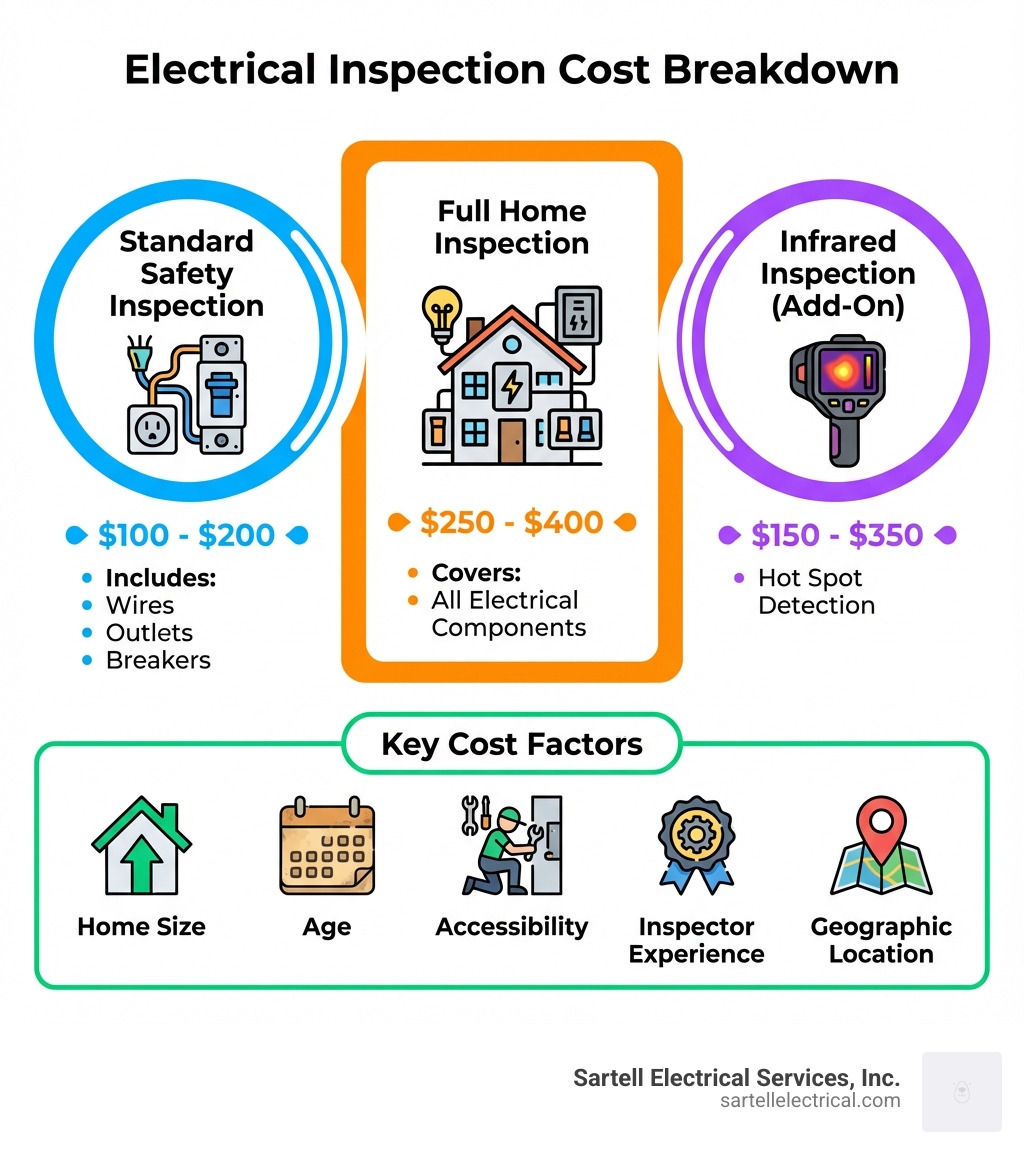
When you're searching for "electrical inspection cost near me," you'll find that the figures often align with national averages. Across the United States, the average cost for an electrical inspection hovers around $150. However, this is just a midpoint; most people can expect to pay anywhere between $100 and $400 for a thorough assessment of their electrical system. A basic standard electrical safety inspection typically falls into the $100 to $200 range, while a more comprehensive full home electrical inspection can cost between $250 and $400. If you opt for advanced diagnostic tools, such as an infrared inspection, expect an additional cost of $150 to $350.
These figures reflect the complexity and critical nature of electrical work. An electrical system is the lifeline of any property, and ensuring its safety and efficiency is paramount. For us at Sartell Electrical Services, Inc., serving Massachusetts including Reading, MA, and the Greater Boston area, we understand that these costs represent an investment in your safety and property value.

Factors That Influence Your Electrical Inspection Cost
Several elements come into play when calculating the final
electrical inspection cost near me. Understanding these factors can help you anticipate expenses and budget effectively.
- Home Size and Age: Generally, larger homes require more time and effort to inspect, leading to higher costs. Similarly, older homes, especially those built before the 1970s, often have outdated wiring (like knob-and-tube or aluminum wiring) that is more complex to inspect and more likely to have issues. These homes might require manual tracing of wiring, which increases the inspection duration and complexity. For homes over 40 years old, annual inspections are often recommended due to the increased fire risk from aging systems.
- Accessibility of Wiring and Electrical Panels: If electrical panels are blocked by storage, or if wiring is difficult to access in attics or crawl spaces, the inspection can take longer. Any obstacles that prevent easy access will add to the time an inspector spends on-site, potentially increasing the overall cost.
- Inspector's Experience Level: The expertise of the electrician conducting the inspection significantly impacts the cost. Journeyman electricians, who are skilled and licensed, typically charge around $50 to $70 per hour. More experienced Master electricians, with extensive knowledge and a broader scope of work, might charge $100 to $120 per hour. When you choose us, you're getting the benefit of our highly experienced team, including Electrical Code Specialists with an average of 20 years of experience.
- Geographic Location: Costs for electrical services, including inspections, can vary by region. In Massachusetts, for example, labor rates and operational costs can differ from other parts of the country. Urban areas like Boston and its surrounding counties (Essex, Middlesex, Norfolk, Suffolk) might see slightly higher rates compared to more rural parts of our service area.
- Travel Fees: If your property is located significantly outside an electrician's primary service area, you might incur additional travel fees. We primarily serve Reading, MA, and the Greater Boston area, but we extend our services across many Massachusetts towns, so it's always good to confirm if travel fees apply to your specific location.
Common Electrical Repair Costs After an Inspection
An inspection often reveals issues that need addressing. Here's a look at common electrical repairs and their average costs, which can follow an inspection:
- Outlet Cover Replacement: $10–$30
- Smoke or Carbon Monoxide Detector Installation: $90–$150
- Light Switch Replacement: $50–$250
- Grounding an Outlet: $100–$300
- Basic Electrical Wiring: $6–$8 per foot
- Electric Panel Replacement: $850–$2,500
These costs are general estimates and can fluctuate based on the complexity of the repair, parts needed, and labor rates. For more detailed information on various electrical home repair services, we invite you to visit our dedicated guide:
More info about electrical home repair services.
| Repair Type |
Average Cost Range |
| Outlet Cover Replacement |
$10 – $30 |
| Light Switch Replacement |
$50 – $250 |
| Grounding an Outlet |
$100 – $300 |
| Electric Panel Replacement |
$850 – $2,500 |
Breakdown of Inspection Types and Associated Costs
Not all electrical inspections are created equal. The scope of work, the tools used, and the underlying purpose can all affect the
electrical inspection cost near me. Whether you need a general safety check or a specialized assessment, understanding the different types will help you choose the right service.
Standard Electrical Safety Inspection Cost
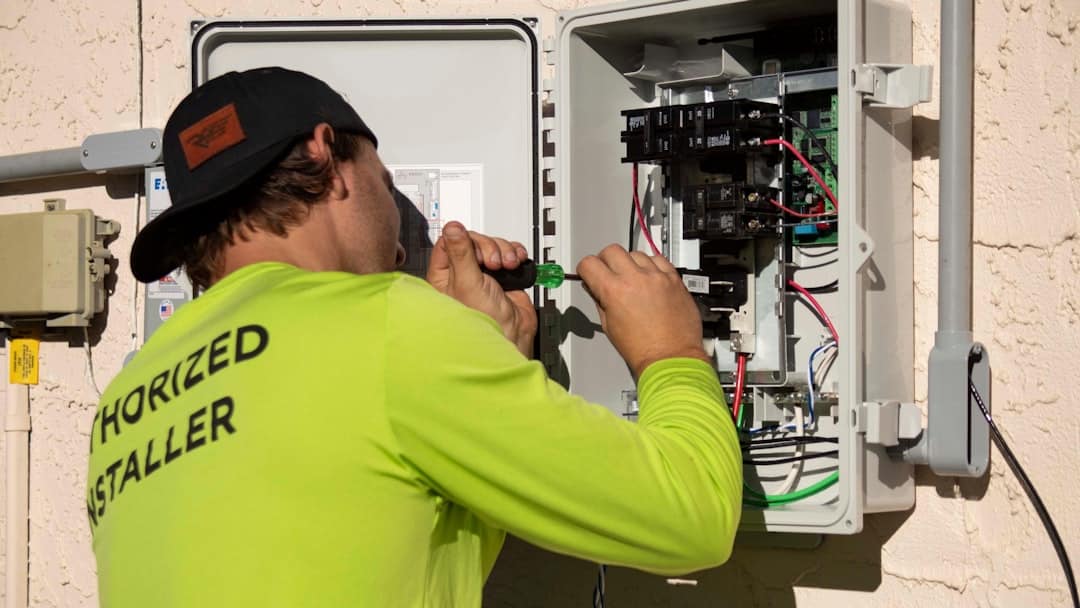
A standard electrical safety inspection is your go-to option for a general overview of your home's electrical health. Averaging between $100 and $200, this inspection covers the essential components of your electrical system. Our electricians will carefully check your wiring, outlets, and circuit breakers for any immediate hazards or signs of wear and tear. The goal is to ensure that your system is functioning safely and efficiently, minimizing risks like electrical fires or shocks. Upon completion, you'll typically receive a safety certificate, providing documentation that your system meets basic safety standards.
Full Home Electrical Inspection Cost
When you need a more comprehensive assessment, particularly if you're buying an older home or haven't had an inspection in a long time, a full home electrical inspection is the way to go. Ranging from $250 to $400, this service provides an in-depth evaluation of all electrical components within your property. This includes a thorough examination of the meter box, the condition of all wiring and cables, the electrical panel and circuit breaker, every outlet and receptacle (including GFCIs), the grounding system, smoke detectors, and all lighting installations. It's an exhaustive check designed to uncover any hidden issues, code violations, or potential areas for upgrade, offering complete peace of mind.
Specialized Inspection Costs (Infrared & Code Compliance)
Sometimes, a standard visual inspection isn't enough, or you need to ensure compliance with specific regulations. This is where specialized inspections come in.
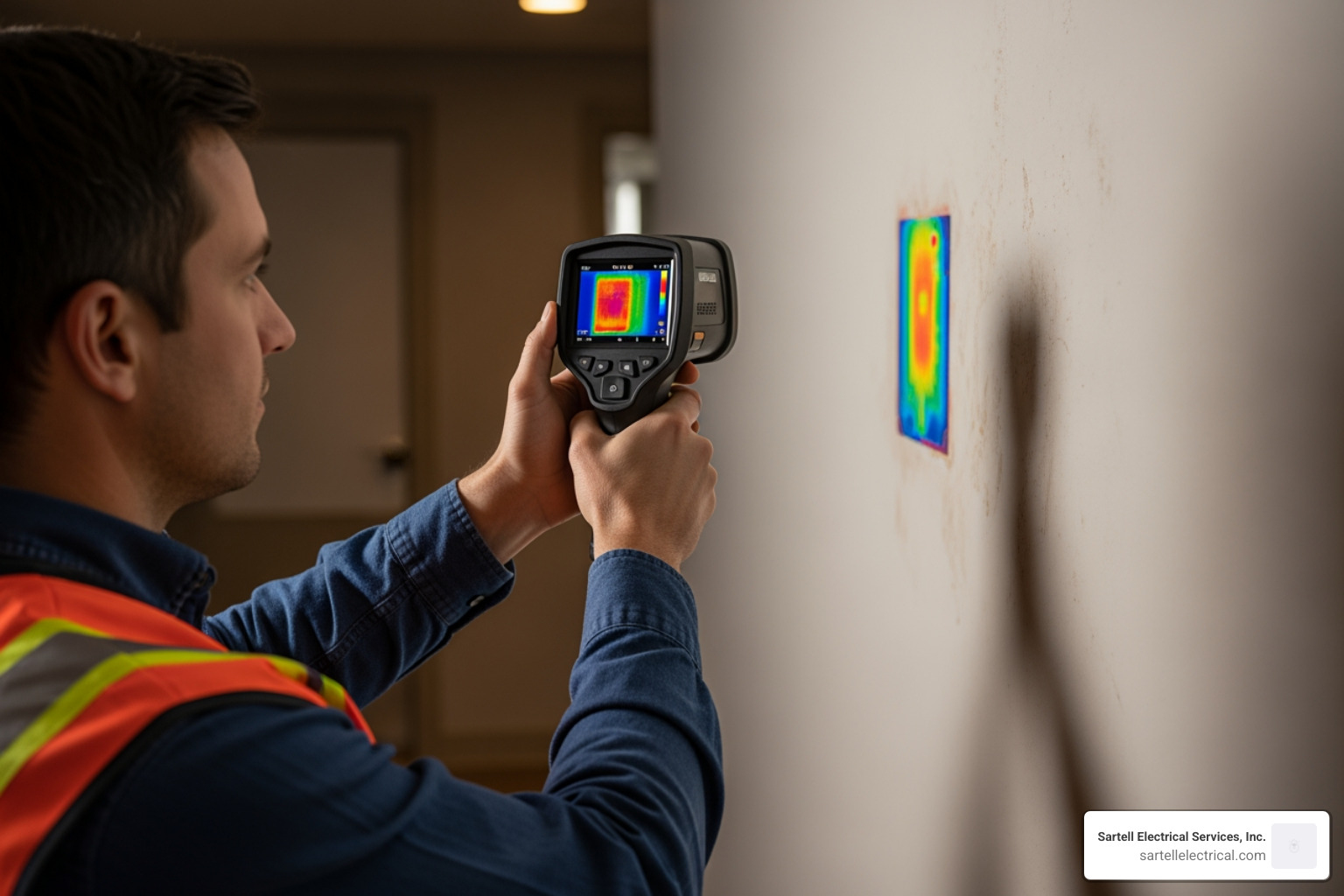
- Infrared Electrical Inspection: This advanced inspection typically costs an additional $150 to $350 on top of a standard inspection. Our electricians use thermal imaging cameras to detect "hot spots" within your electrical system. These hot spots indicate areas of excessive heat, which can be early warning signs of impending electrical failures, loose connections, or overloaded circuits. The beauty of infrared inspection is that it can identify these issues without needing to open up walls, providing a non-invasive way to detect potential problems before they become critical.
- Code Compliance Inspection: These inspections are crucial for new installations, major renovations, or any electrical work that requires a building permit. Their purpose is to ensure that all electrical work meets the strict requirements of the National Electrical Code (NEC) and local building codes. The NEC, which defines the standards for electrical systems in the U.S., is revised every three years to reflect the latest safety advancements. Our electricians stay up-to-date with these changes, such as the 2020 updates involving service equipment, GFCI protection, and outdoor receptacles, to ensure your property is fully compliant. For more information on the latest NEC updates, you can refer to this resource: NEC updates.
The Professional Inspection Process: From Prep to Post-Inspection
Navigating an electrical inspection can seem daunting, but with a clear understanding of the process, it becomes much simpler. From preparing your home to understanding the detailed report, we're here to guide you every step of the way. Our goal is to make the experience as smooth and informative as possible, ensuring you get the most value for your
electrical inspection cost near me.
How to Prepare for an Electrical Inspection
A little preparation on your part can go a long way in ensuring a smooth and efficient inspection, potentially saving you time and money. Here are some actionable steps you can take:
- Clear Access to Panels and Outlets: Ensure that all electrical panels, sub-panels, and major outlets are easily accessible. This means moving furniture, storage boxes, or anything else that might obstruct our electrician's access.
- Clear Pathways: Make sure there's a clear and safe path to all areas where electrical components are located, including utility rooms, basements, and attics.
- Note Known Issues: Write down any electrical problems you've noticed, such as flickering lights, frequently tripping breakers, outlets that don't work, or strange burning smells. Sharing this list with our inspector at the beginning of the inspection can help them focus on potential problem areas.
- Replace Burnt-Out Light Bulbs: While seemingly minor, a burnt-out bulb might be mistaken for a wiring issue. Replacing them ensures our inspector can accurately test the fixture.
By taking these simple steps, you help our team conduct a thorough and efficient inspection, getting you closer to that 'sealed' electrical certification.
What Happens During the Inspection?
Once our professional electrician arrives, the inspection process typically takes between one to two hours, though older or larger properties might take longer due to their complexity. During this time, our inspector will systematically evaluate your electrical system. Here’s what you can expect:
- Meter Box Check: We'll start by examining your electrical meter and the service entrance cable to ensure they are properly installed and in good condition.
- Panel and Breaker Check: The electrical panel (or breaker box) is the heart of your system. We'll inspect it for proper wiring, labeling, corrosion, and correct breaker sizes. We'll also check for any signs of overheating or outdated components.
- Outlet and Switch Testing: Every accessible outlet and switch in your home will be tested for proper functionality, wiring, and grounding. This includes verifying the presence and proper operation of Ground Fault Circuit Interrupters (GFCIs) in wet areas like kitchens and bathrooms, and Arc Fault Circuit Interrupters (AFCIs) in bedrooms and other living spaces.
- Grounding System Verification: A proper grounding system is crucial for safety. We'll ensure your home's electrical system is correctly grounded to protect against surges and shocks.
- Smoke and CO Detector Check: We'll verify that your smoke and carbon monoxide detectors are properly installed, located, and functioning according to national regulations.
Our inspectors are meticulous, ensuring every component is checked for compliance with the National Electrical Code and local Massachusetts regulations.
Understanding the Post-Inspection Report and Necessary Repairs
After the inspection is complete, our team will provide you with a detailed report. This isn't just a simple checklist; it's a comprehensive blueprint of your property's electrical health. The report will clearly indicate:
- Detailed Findings: A thorough account of everything our inspector observed, from minor issues to significant concerns.
- Code Violations: Any instances where your electrical system does not meet current safety codes or regulations.
- Safety Hazards: Identification of immediate dangers such as faulty wiring, overloaded circuits, or ungrounded outlets that pose a risk of fire or electric shock.
- Recommended Upgrades: Suggestions for improvements that can improve your system's safety, efficiency, and capacity, such as a service upgrade to accommodate new appliances or smart home technology.
- Proposed Costs: A transparent breakdown of the estimated costs for any necessary repairs or recommended upgrades.
This detailed report empowers you to make informed decisions about your property's electrical system. Should repairs be needed, we can provide further guidance and service. For more insights into diagnosing and addressing electrical issues, you can explore our resources on
More info about electrical troubleshooting costs.
Why, When, and How to Find a Pro for Your Electrical Inspection Cost Near Me
Electrical safety is not something to gamble with. While a DIY approach might seem appealing for minor home tasks, when it comes to your electrical system, professional expertise is non-negotiable. The risks of missing critical issues or improperly handling electricity are simply too high. That's why understanding the value of a professional inspection and knowing how to find qualified electricians is paramount.
Signs You Need an Electrical Inspection
Your home often gives subtle (and sometimes not-so-subtle) clues that its electrical system needs attention. Being aware of these signs can help you prevent minor issues from escalating into major hazards. If you notice any of the following, it’s a good time to search for "electrical inspection cost near me":
- Flickering or Dimming Lights: This can indicate an overloaded circuit, loose wiring, or an issue with your electrical panel.
- Burning Smells: A distinct burning odor, often described as plastic or fishy, emanating from outlets or walls, is a serious sign of overheating wires. Turn off the affected circuit immediately and call for an inspection.
- Frequently Tripping Breakers or Blown Fuses: While occasional trips can happen, if your breakers are constantly tripping, it means a circuit is overloaded or there’s a short circuit somewhere.
- Discolored Outlets or Switch Plates: Brown or black marks around outlets or switches are clear indicators of overheating, which can lead to fire.
- Outdated Wiring: If your home is older than 40 years, it might have knob-and-tube or aluminum wiring, which are not designed to handle modern electrical loads and can be a fire hazard.
- Major Appliance Additions: Adding significant new appliances (like an EV charger, a hot tub, or a new HVAC system) can strain an older electrical system. An inspection ensures your system can handle the increased demand.
- Home Purchase or Sale: Before buying or selling a home, an electrical inspection is crucial. For buyers, it uncovers potential hidden costs. For sellers, it can expedite transactions by addressing issues proactively.
If you're experiencing any of these issues, especially burning smells or frequent breaker trips, seek professional help immediately. We offer services for
More info about emergency electrical services to address urgent concerns.
How Often Should You Get an Inspection?
The Electrical Safety Foundation International (ESFI) provides excellent guidelines on how often you should schedule an electrical inspection. We strongly recommend adhering to these to maintain a safe and efficient electrical system:
- Every 3 to 5 Years: For most modern homes, a basic safety inspection every three to five years is a good practice. This helps catch minor issues before they become significant problems.
- Annually for Older Homes: If your home is older than 40 years, we recommend scheduling an inspection annually. Older wiring systems are more prone to degradation and are less capable of handling today's electrical demands, increasing the risk of fire.
- When Purchasing a Home: Always arrange an inspection before finalizing a home purchase. This protects you from inheriting costly and dangerous electrical problems.
- After Major Renovations: Any significant remodeling project that involves changes to your electrical system warrants an inspection to ensure everything is up to code and safely installed.
- If You've Added Major New Appliances: As mentioned, new, high-demand appliances can stress your system. An inspection confirms your electrical panel and wiring can safely support them.
For more detailed recommendations on when to schedule an inspection, you can consult the ESFI's guidelines: Electrical Safety Foundation recommendations.
How to Hire a Qualified Electrician and Save Money
Finding a qualified electrician for your
electrical inspection cost near me is crucial for ensuring safety and getting accurate information. Here’s how to do it right, and how you might save some money in the process:
- Get Multiple Quotes: Don't settle for the first quote you receive. Contact at least three different electricians or electrical companies to compare prices and services. Be wary of quotes that are significantly lower than others, as they might indicate a less thorough inspection or hidden costs.
- Check Licenses and Insurance: Always verify that the electrician is licensed and insured in Massachusetts. This protects you in case of any accidents or damages during the inspection. Our electricians at Sartell Electrical Services are fully licensed and insured, with over 30 years of experience serving the Massachusetts community.
- Read Reviews and Ask for References: Look for electricians with positive reviews and strong reputations. Asking for references from previous clients can also provide valuable insights into their professionalism and quality of work.
- Ask for a Detailed Checklist: A reputable inspector should be able to provide you with a checklist of what their inspection covers. This ensures transparency and helps you understand the scope of their work.
- Bundle Services: If you need an inspection along with other electrical work (like installing new outlets or upgrading your panel), inquire if the electrician offers bundled rates. This can sometimes lead to savings.
- Prepare the Area: As discussed earlier, clearing access to your electrical panel and other components can save the inspector time, which might translate to a lower overall cost if they charge hourly.
For assistance in finding trusted and
Find licensed residential electricians near you in Massachusetts, we're always ready to help.
Frequently Asked Questions about Electrical Inspections
We understand that you might have more questions about electrical inspections. Here are some of the most common inquiries we receive, answered with our expert knowledge.
What's the difference between a general home inspection and a dedicated electrical inspection?
This is a great question, and it highlights a critical distinction. A
general home inspection offers a broad overview of a property's condition, including its structural integrity, plumbing, HVAC, and electrical systems. While a home inspector will look at the electrical components, their assessment is typically visual and focuses on readily apparent issues. They operate under standards set by organizations like the American Society of Home Inspectors, which provides guidelines for what they should check.
A
dedicated electrical inspection, performed by a licensed electrician like our team at Sartell Electrical Services, is a deep dive specifically into the electrical system. Our electricians possess specialized knowledge of electrical codes, wiring methods, and diagnostic tools that go beyond the scope of a general home inspector. We can identify subtle issues, assess the integrity of internal wiring, and provide detailed insights into code compliance, system capacity, and potential safety hazards that a general inspector might miss. Think of it this way: a general home inspector is like a general practitioner, while a dedicated electrical inspector is a specialist. For critical electrical concerns, you always want the specialist.
What happens if my home fails an electrical inspection?
If your home fails an electrical inspection, it simply means that certain aspects of your electrical system do not meet current safety standards or local codes. Don't panic—this is precisely why you got the inspection! You will receive a detailed report outlining all the violations and safety concerns.
The next steps typically involve:
- Reviewing the Report: Carefully go through the inspector's findings to understand the specific issues.
- Obtaining Repair Quotes: Contact a licensed electrician to get quotes for making the necessary corrections.
- Executing Repairs: Have the identified issues repaired by a qualified professional.
- Scheduling a Re-inspection: Once repairs are completed, the electrical inspector will return to verify that all violations have been addressed and the system is now safe and compliant.
Once the system passes the re-inspection, you will receive a certificate of compliance, indicating that your electrical system meets all required standards. This certification is often necessary for real estate transactions or insurance purposes.
Why are GFCI and AFCI outlets so important?
GFCI (Ground Fault Circuit Interrupter) and AFCI (Arc Fault Circuit Interrupter) outlets and breakers are vital safety devices designed to protect you and your home from electrical hazards.
- GFCI Protection (Shock Prevention): GFCIs are designed to prevent severe electric shocks. They continuously monitor the electrical current flowing through a circuit. If there's an imbalance in the current (a "ground fault"), indicating that electricity is flowing along an unintended path (like through a person!), the GFCI rapidly trips, cutting off power in milliseconds. They are required in areas where water is present, such as kitchens, bathrooms, laundry rooms, garages, and outdoor outlets, as explained by the NFPA explanation of circuit interrupters.
- AFCI Protection (Fire Prevention): AFCIs are designed to prevent electrical fires. They detect dangerous electrical arcs (sparks) that can occur in damaged or frayed wires, loose connections, or faulty appliances. These arcs can generate intense heat, leading to ignition. AFCIs can distinguish between harmless arcs (like those from a light switch) and hazardous ones, tripping the circuit before a fire can start. They are typically required in bedrooms and other living spaces.
Both GFCI and AFCI devices are critical components of modern electrical safety standards. Ensuring they are correctly installed and functioning is a key part of any comprehensive electrical inspection.
Conclusion: Investing in Your Home's Safety
Understanding the
electrical inspection cost near me is more than just knowing a price; it's about recognizing the invaluable investment you're making in the safety, efficiency, and longevity of your property. From uncovering hidden hazards to ensuring code compliance, a professional electrical inspection provides peace of mind and protects your most valuable assets.
We've explored the various factors influencing costs, the different types of inspections available, and the importance of regular checks and professional expertise. Proactive electrical maintenance, starting with a thorough inspection, is a non-negotiable step for any responsible property owner.
At Sartell Electrical Services, Inc., we've been committed to excellence, leadership, and unparalleled customer service in Massachusetts for over 30 years. Serving Reading, MA, and the entire Greater Boston area, including Essex, Middlesex, Norfolk, and Suffolk Counties, we bring decades of experience to every inspection. Our team of licensed and experienced electricians is dedicated to providing transparent, comprehensive, and reliable electrical services.
Don't wait for a problem to arise. Investing in a professional electrical inspection today can prevent costly repairs, protect your property from fire hazards, and ensure your electrical system is safe for everyone.
Schedule your professional electrical safety check today with Sartell Electrical Services, Inc., and let us help you secure a safe electrical future for your home or business.