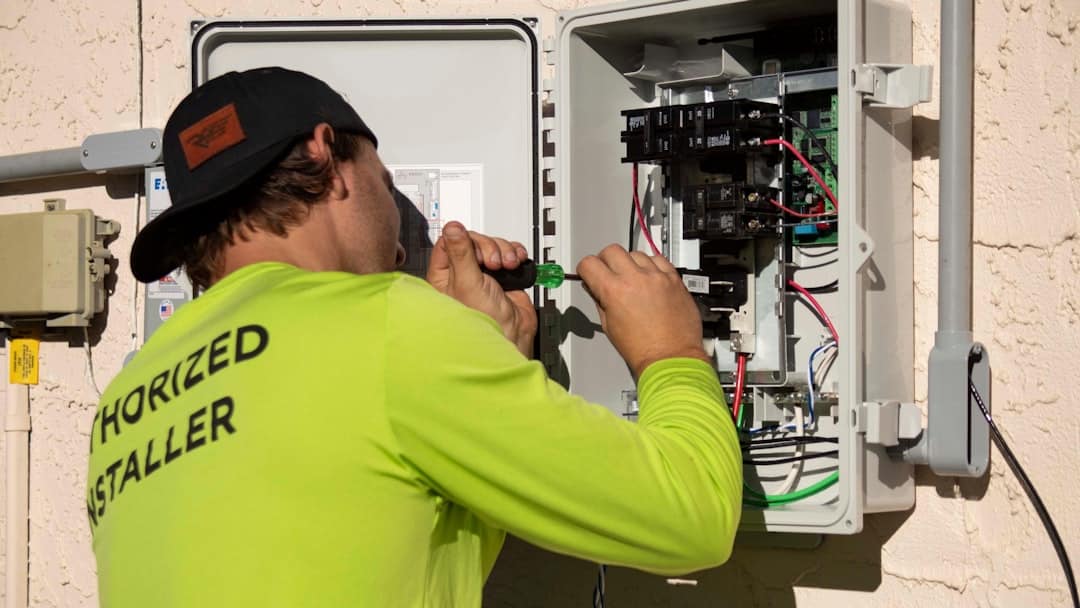
Why Finding the Right Electrical Contractor in Boston Matters
Electrical contractors boston are essential partners for any successful building project, whether you're upgrading a commercial facility, renovating a healthcare center, or building from the ground up. With over
1,400 electrical contractors currently operating in the Greater Boston area, finding the right fit for your specific needs requires careful vetting and clear understanding of what makes a contractor qualified, reliable, and capable of delivering on time and on budget.
Quick Answer: Finding an Electrical Contractor in Boston
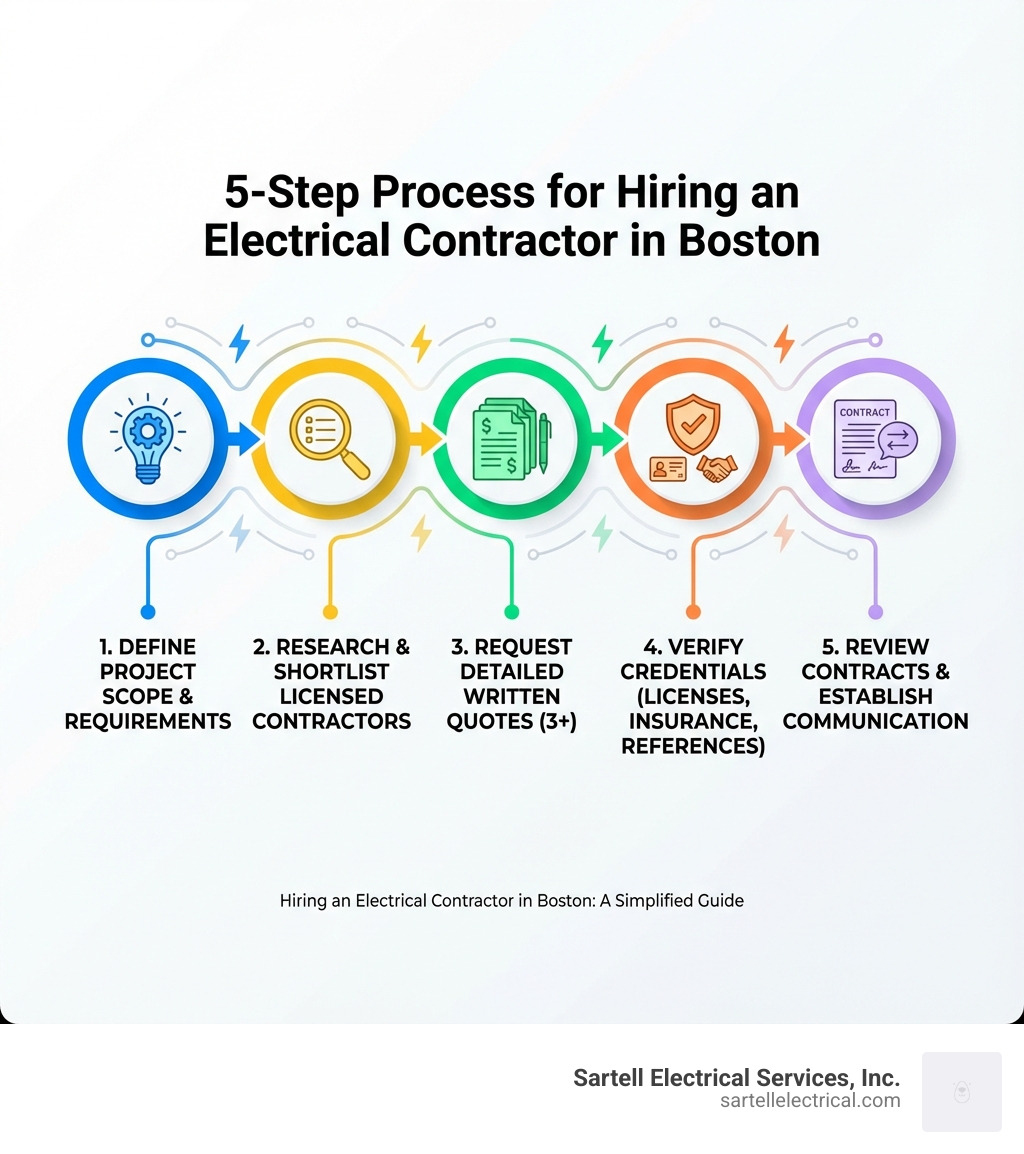
- Verify licensing - Confirm Massachusetts Master Electrician License or appropriate state credentials
- Check certifications - Look for NECA membership, BBB accreditation, or specialized certifications (MBE, WBE, DBE, SBE)
- Review experience - Assess past projects similar to yours, especially in commercial, industrial, or institutional settings
- Confirm insurance - Ensure adequate general liability and workers' compensation coverage
- Get detailed quotes - Request itemized estimates from multiple contractors that include labor, materials, and timelines
The stakes are high when selecting an electrical contractor. Your choice directly impacts project timelines, budget adherence, safety outcomes, and the long-term reliability of your electrical systems. Issues with electrical systems can decrease productivity, affect profitability, and put your business operations at risk. That's why the electrical contractor you choose needs to bring not just technical expertise, but also strong project management, safety protocols, and a proven track record with complex installations.
I'm
Ed Sartell, and as President of Sartell Electrical Services since 1985, I've worked extensively with
electrical contractors boston and throughout Massachusetts, helping clients steer the selection process for nearly four decades. Whether you're managing a healthcare facility upgrade or coordinating a commercial build-out, I've seen what separates reliable contractors from those who create project headaches.
 Electrical contractors boston
 basics:
Understanding the Scope: What Services Do Electrical Contractors Offer?

When we talk about
electrical contractors boston, we're referring to a diverse group of professionals who provide a wide array of services. From ensuring the lights stay on in your home to powering complex industrial machinery and state-of-the-art data centers, their expertise spans many sectors. It's crucial to understand this scope to find a contractor whose services align perfectly with your project's demands.
Residential Electrical Services
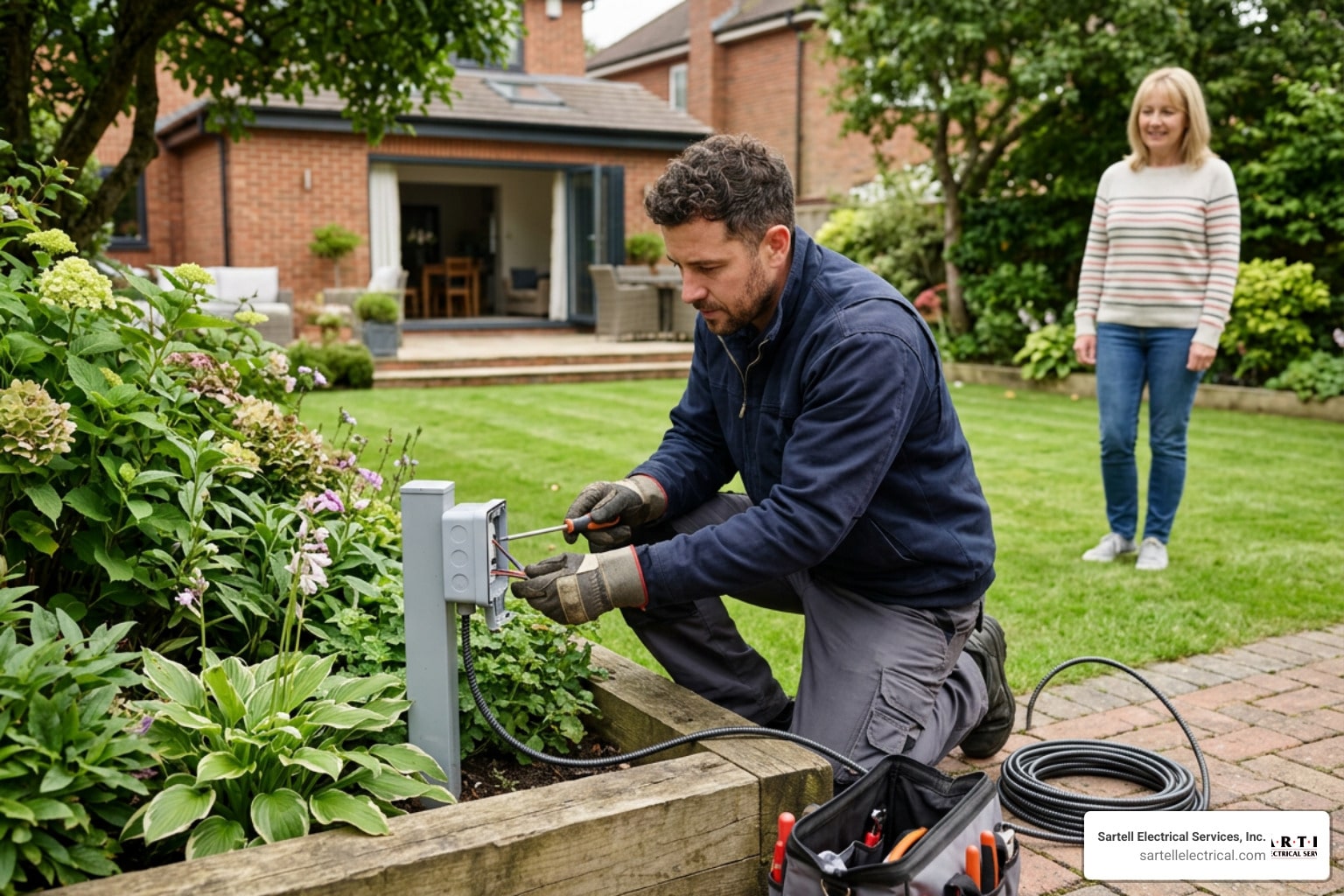
For homeowners in Boston and the surrounding Massachusetts towns we serve, electrical contractors are indispensable. We handle everything from routine maintenance to major renovation projects, ensuring your home's electrical system is safe, efficient, and up to code. Our services often include:
- Home Wiring and Rewiring: Whether it's an older Boston brownstone needing a complete overhaul or new construction requiring fresh wiring, we ensure your home's electrical backbone is robust and safe.
- Panel Upgrades: Older homes often have outdated electrical panels that can't keep up with modern power demands. We upgrade these panels to improve safety and capacity.
- Lighting Installation: From recessed lighting in a new kitchen to outdoor landscape lighting, we design and install lighting solutions that improve your home's aesthetics and functionality.
- Kitchen & Bathroom Remodels: These areas require specialized electrical work due to water proximity and appliance loads. We ensure all installations meet strict safety standards. You can learn more about our general electrical wiring expertise here: Electrical Wiring Services Boston.
- Generator Installation: We install whole-home generators to provide reliable backup power during outages.
- Smart Home Integration: We help homeowners integrate smart systems for lighting, climate control, and security, making homes more convenient and energy-efficient.
Commercial and Industrial Services
The needs of businesses and industrial facilities are often more complex than residential projects.
Electrical contractors boston specializing in these areas must have the capacity and experience to handle large-scale operations. For commercial and industrial clients, we typically offer:
- Tenant Fit-ups: Preparing commercial spaces for new tenants by customizing electrical layouts for specific business needs, including power, lighting, and life safety systems.
- New Construction Electrical Installation: Designing and installing complete electrical systems for new commercial buildings. Our expertise in this area is detailed here: Commercial Electrical Installation Boston.
- Power Distribution Systems: Setting up robust power grids within facilities to support heavy machinery and extensive IT infrastructure.
- Fire Alarm Systems: Professional design, installation, testing, and inspection services for fire alarm systems are critical for safety and compliance.
- Preventative Maintenance: Regular maintenance programs to inspect and service electrical systems, preventing costly downtime.
- Industrial Electrical Solutions: This includes specialized wiring for machinery, motor controls, and automation systems, ensuring compliance with stringent industrial safety regulations.
Specialized Electrical Services
Beyond general residential and commercial work, many
electrical contractors boston offer highly specialized services that cater to unique industry needs. These areas often require specific certifications and advanced training.
- Data Centers: These critical facilities demand uninterrupted power and sophisticated cabling. Contractors specializing in data centers ensure optimal performance and redundancy. Explore our solutions for these vital hubs: Data Center Solutions Boston.
- Data Cabling Installation: Essential for modern businesses, this includes structured cabling systems for voice, video, and data. Find out more about our data cabling services: Data Cabling Installation Boston.
- Healthcare Facilities: Hospitals and labs have unique electrical requirements, including emergency power and strict patient safety protocols. Our dedicated services for this sector are outlined here: Healthcare Electrical Contractor Boston MA.
- Telecommunications: This involves installing infrastructure for communication networks, including fiber optics and low-voltage systems. We are experts in this field: Telecommunications Electrical Contractor Boston MA.
- Renewable Energy Systems: With a growing focus on sustainability, contractors are increasingly specializing in solar (photovoltaic) installations, battery storage solutions, and integration with existing electrical grids.
The Vetting Process: How to Choose the Right Electrical Contractor in Boston

Choosing an
electrical contractor boston is a critical decision that impacts your project's safety, cost, and longevity. Given the sheer number of contractors in the area—over 1,400 in the Greater Boston area—a thorough vetting process is non-negotiable. Our goal is to help you steer this process, ensuring you partner with a contractor who truly understands your needs and delivers exceptional results.
Verify Licenses and Certifications
This is the most fundamental step. In Massachusetts, electrical work is strictly regulated to protect public safety. Any reputable
electrical contractor boston must hold the appropriate licenses.
- Massachusetts Master Electrician License (Class A): This license indicates that an individual has passed rigorous exams and has extensive experience, allowing them to own and operate an electrical contracting business.
- Journeyman Electrician License (Class B): This license signifies that an individual is qualified to perform electrical work under the supervision of a Master Electrician.
- Systems Contractor License: For specialized work such as fire alarms or security systems, a Systems Contractor license may also be required.
Always ask to see current licenses and verify them with the
Massachusetts Board of State Examiners of Electricians. A licensed contractor is held to state regulations and standards, offering you a layer of protection and assurance that the work will be performed correctly and safely. Reputable contractors will always be transparent about their licensing.
Evaluate Experience and Reputation
Experience truly matters in electrical contracting, especially in a dynamic and often historic environment like Boston.
- Years in Business: Longevity often correlates with stability and a proven track record. We, Sartell Electrical Services, have proudly served Massachusetts for over 30 years, giving us deep insights into the region's unique electrical challenges.
- Portfolio of Past Projects: Look for contractors who have successfully completed projects similar in scope and complexity to yours. A commercial contractor might showcase work on office buildings or retail spaces, while an industrial specialist would highlight plant upgrades.
- Online Reviews and Customer Testimonials: Platforms like the Better Business Bureau (BBB) provide a wealth of information, allowing you to filter by ratings (A+ to F), which reflects a business's customer interactions. Testimonials from past clients, particularly from general contractors or facility managers, can offer a glimpse into a contractor's reliability and communication skills.
- Industry Affiliations: Membership in organizations like the National Electrical Contractors Association (NECA) indicates a commitment to industry standards, ongoing training, and best practices.
Confirm Insurance and Bonding
Never overlook this step. Adequate insurance and bonding protect you from financial liability in case of accidents, damage, or incomplete work.
- General Liability Insurance: This covers damages to your property or injuries to third parties that occur as a result of the contractor's work.
- Workers' Compensation: This covers injuries to the contractor's employees while they are working on your property. Without it, you could be held liable if a worker gets hurt.
- Bonding: Performance and payment bonds offer financial guarantees that the contractor will complete the project according to the contract.
Always request current certificates of insurance and bonding directly from the insurance provider, not just from the contractor. This ensures the documents are valid and in force.
Finding Specialized and Certified Electrical Contractors in Boston
Boston's diverse economy means that electrical needs are rarely one-size-fits-all. From historic brownstones to cutting-edge biotech labs, finding an
electrical contractor boston with niche expertise and relevant business certifications can be a game-changer for your project. We understand that finding the right fit means looking beyond general services.
Locating Specialists for Your Project
When your project demands a particular skill set, don't settle for a generalist. Actively seek out contractors who excel in your specific area.
- Renewable Energy: If you're looking to install solar panels or other sustainable electrical systems, you need a contractor with proven experience in renewable energy. Some firms have strong track records of installing solar (PV) systems across Massachusetts.
- Data/Telecommunications: For projects involving complex network infrastructure or fiber optics, a specialist is crucial. Our team specializes in this area, recognizing its importance in modern commercial and industrial settings. Explore our dedicated telecommunications services: Telecommunications Electrical Contractor Boston MA.
- Healthcare Facilities: The unique electrical demands of hospitals and research facilities require contractors who understand stringent regulations and emergency power. We have specific expertise in this vital sector: Healthcare Electrical Contractor Boston MA.
- Using Reputable Directories: Directories like the NECA Boston Chapter's "Find a Contractor" tool or the BBB's directory allow you to search for contractors and often filter by specialization.
- Keyword Searches for Specialists: Don't hesitate to use very specific search terms like "solar electrical contractor Boston," "data center electrician Boston," or "healthcare electrical contractor Massachusetts" to narrow down your options.
Understanding Business Certifications
Beyond technical expertise, some
electrical contractors boston hold specific business certifications that can be important for diversity initiatives or government contracts. These certifications are often tied to ownership and operational structure.
- MBE (Minority Business Enterprise): Certified businesses that are at least 51% owned, operated, and controlled by one or more minority individuals.
- WBE (Women Business Enterprise): Certified businesses that are at least 51% owned, operated, and controlled by one or more women.
- DBE (Disadvantaged Business Enterprise): Certification for small businesses where socially and economically disadvantaged individuals own at least 51% interest and control operations.
- SBE (Small Business Enterprise): Certification for businesses that meet specific size standards set by the Small Business Administration (SBA).
- OSD Certified Vendor: This certification allows businesses to bid on state contracts and signifies they meet the Commonwealth's standards for vendors.
Some contractors proudly list their certifications, such as MBE, DBE, and OSD Certified status. These can be a requirement for certain project bids or corporate procurement policies. When searching for a contractor, inquire about these certifications if they are relevant to your project's requirements.
The Hiring Journey: From Quote to Project Completion
Starting on an electrical project in Boston, whether for your home or business, involves a structured process. From the initial idea to the final flip of a switch, a clear hiring journey ensures transparency, efficiency, and a successful outcome. We guide our clients through each stage, emphasizing communication and attention to detail.
Step 1: Getting a Detailed Quote
A comprehensive quote is your blueprint for understanding project costs and scope. We always recommend obtaining at least three detailed quotes from different
electrical contractors boston to compare pricing, methods, and timelines. A detailed quote should be far more than just a lump sum. It should itemize:
- Labor Costs: Broken down by hours and hourly rates.
- Material Costs: A clear list of all components, from wiring to fixtures.
- Equipment Rental: Any specialized machinery needed for the job.
- Permit Fees: An estimate of necessary permit costs.
- Timeline: A realistic project schedule with key milestones.
- Scope of Work: A clear description of what is included and excluded.
Be wary of contractors who provide vague, one-page estimates. A good contractor will take the time to understand your project fully before providing a detailed, transparent proposal.
Step 2: The Contract and Project Kick-off
Once you've selected your preferred
electrical contractor boston, the next step is formalizing the agreement. This legal document should clearly outline:
- Scope of Work: A reiteration of the detailed quote.
- Payment Schedule: Clearly defined payment milestones.
- Change Order Process: A protocol for how modifications will be handled.
- Warranties and Guarantees: What recourse you have if issues arise post-completion.
- Insurance and Licensing Information: Confirmation of the contractor's credentials.
A pre-construction meeting with the contractor is essential to introduce the team, discuss logistics, and confirm schedules. Clear communication from the outset sets the stage for a smooth project.
Step 3: Project Execution and Final Inspection
With the project underway, vigilant oversight and clear communication remain paramount.
- Communication During the Project: A reliable electrical contractor boston will maintain open lines of communication, providing regular updates on progress and potential challenges.
- Adherence to Schedule: A good contractor will strive to stick to the agreed-upon timeline and communicate promptly if delays are unavoidable.
- Safety Protocols: Safety is non-negotiable. Observe that the contractor and their team adhere to all safety standards and regulations.
- Final Walkthrough: Upon project completion, conduct a thorough walkthrough with the contractor to inspect all installations and test systems.
- System Testing and Commissioning: For complex systems, comprehensive testing ensures all components are integrated and operating correctly.
- Permit Sign-offs: Confirm that all necessary inspections have been conducted by the City of Boston Inspectional Services Department or local authorities, and that final sign-offs have been obtained. This is crucial for compliance and future resale value.
The Mark of Quality: Standards, Safety, and Technology
In
electrical contractors boston, quality and safety aren't just buzzwords; they are fundamental pillars that uphold reputations and ensure the well-being of clients. As electrical systems become more intricate, the role of industry standards, rigorous safety practices, and cutting-edge technology becomes increasingly critical.
The Role of Industry Standards and Accreditation
A commitment to excellence means adhering to the highest industry standards. These standards are the bedrock of reliable and safe electrical installations.
- Commitment to Quality and Safety: Reputable contractors commit to delivering high-performance results, emphasizing safety in all electrical installations. This means following the National Electrical Code (NEC) and local Massachusetts building codes carefully.
- Adherence to Best Practices: This includes proper wiring techniques, correct grounding, surge protection, and adherence to manufacturer specifications for all equipment. It also encompasses careful project management and coordination.
- Benefits of Working with Accredited Contractors: Choosing a BBB Accredited business ensures you're working with a company held to higher standards for customer service and transparency. Their ratings, from A+ to F, provide a quick indicator of their reliability. Furthermore, industry safety awards demonstrate a contractor's exceptional safety record.
- Ethical Business Practices: Beyond technical standards, accredited contractors often uphold strong ethical guidelines, ensuring fair pricing, honest communication, and transparent dealings throughout the project.
How Technology is Shaping Electrical Work
The electrical contracting industry is constantly evolving, with technology playing a vital role in improving efficiency, accuracy, and safety. Modern
electrical contractors boston accept these advancements to deliver superior results.
- BIM (Building Information Modeling): BIM software allows contractors to create 3D models of electrical systems, integrating them with the overall building design. This helps identify clashes with other trades before construction begins, reducing costly rework.
- Prefabrication: Many components can now be fabricated off-site in a controlled environment. This practice, leveraged by forward-thinking contractors, improves quality, reduces on-site labor time, and improves safety.
- Drones for Inspection: Drones can be used for inspecting large-scale installations, such as rooftop solar arrays or high-voltage power lines, providing a safe and efficient way to assess conditions.
- Advanced Diagnostic Tools: From thermal imaging cameras that detect overheating components to sophisticated network analyzers, technology provides contractors with tools to diagnose problems quickly and accurately.
- Increased Efficiency and Improved Accuracy: These technological tools collectively lead to more efficient project execution, fewer errors, and a higher quality of installation.
Frequently Asked Questions about Electrical Contractors in Boston
Navigating electrical projects can spark a lot of questions. Here, we address some of the most common inquiries we hear from clients in Boston and across Massachusetts.
How much does it cost to hire an electrician in Boston?
The cost to hire an
electrical contractor boston varies based on project complexity, scope, and materials. Some contractors charge an hourly rate (which can range from $75 to $150+ per hour), while others offer flat fees for specific services. Emergency calls often incur higher rates. The most accurate way to understand costs is to obtain detailed, itemized quotes from multiple contractors. This allows you to see how labor, materials, and other fees are broken down and compare options effectively.
Do I need a permit for my electrical work in Boston?
Yes, for most electrical work in Boston and surrounding towns, a permit is a critical safety measure. The City of Boston Inspectional Services Department (ISD) and local building departments require permits for most new installations, major repairs, and system upgrades. This ensures the work complies with the Massachusetts Electrical Code. Generally, if you're altering your property's permanent electrical system, a permit is required. A reputable
electrical contractor boston will handle the entire permitting process for you, from documentation to coordinating inspections.
What's the difference between an electrician and an electrical contractor?
While the terms are often used interchangeably, there's a distinct difference.
- Electrician as an Individual Tradesperson: An electrician is an individual licensed to perform hands-on electrical work. This can be a journeyman working under supervision or a master electrician with the highest level of individual licensing.
- Electrical Contractor as a Business Entity: An electrical contractor is a business that employs electricians to provide electrical services. The contractor holds the necessary business licenses, insurance, and bonding to manage projects. They are responsible for project execution, safety, and compliance.
When you hire an
electrical contractor boston, you're engaging a company that provides a full suite of services, including project management, administrative support, and a team of qualified electricians. This comprehensive approach is essential for ensuring projects are completed safely, efficiently, and to code.
Conclusion
Finding the right
electrical contractor boston is a critical decision that underpins the safety, efficiency, and success of your electrical project. We've explored the vast array of services they offer, from residential wiring to complex industrial and specialized installations, emphasizing the importance of aligning a contractor's expertise with your specific needs.
Our journey through the vetting process highlighted the non-negotiable aspects: verifying licenses and certifications, thoroughly evaluating experience and reputation through portfolios and testimonials, and confirming comprehensive insurance and bonding. We also digd into how to locate specialists for niche projects—be it renewable energy, data/telecommunications, or healthcare facilities—and the value of business certifications like MBE, WBE, and DBE.
The hiring journey, from requesting detailed quotes to the final project sign-off, underscored the importance of clear communication, transparent contracts, and diligent project execution. Finally, we touched upon the unwavering commitment to quality and safety, driven by industry standards and the transformative role of modern technology in electrical work.
At Sartell Electrical Services, with over 30 years of experience serving Boston and the wider Massachusetts area, we embody this commitment to excellence, leadership, and customer service. We understand the unique challenges and opportunities within our region and are dedicated to providing reliable, high-quality electrical solutions for projects of all sizes.
We hope this guide empowers you to make an informed decision, ensuring your next electrical project is handled by professionals who prioritize safety, quality, and your peace of mind.
Explore our full range of electrical services for the Boston area.