Why Uninterrupted Power is Non-Negotiable
A
critical electrical system is a network of power sources and backup systems designed to supply uninterrupted electricity to vital loads. Any interruption to these loads could cause danger, severe financial loss, or operational collapse. Key components include uninterruptible power supplies (UPS), emergency generators, and automatic transfer switches, all ensuring continuous operation for equipment like hospital life support systems and data center servers.
What makes a load "critical"? A load is considered critical if its failure—even briefly—would be dangerous or devastating. This includes:
- Life safety equipment (ventilators, surgical lights, patient monitors)
- Data systems where corruption or loss would be catastrophic
- Security and communication systems essential for public safety
- Process controls for hazardous materials or sensitive manufacturing
- Emergency management infrastructure required during disasters
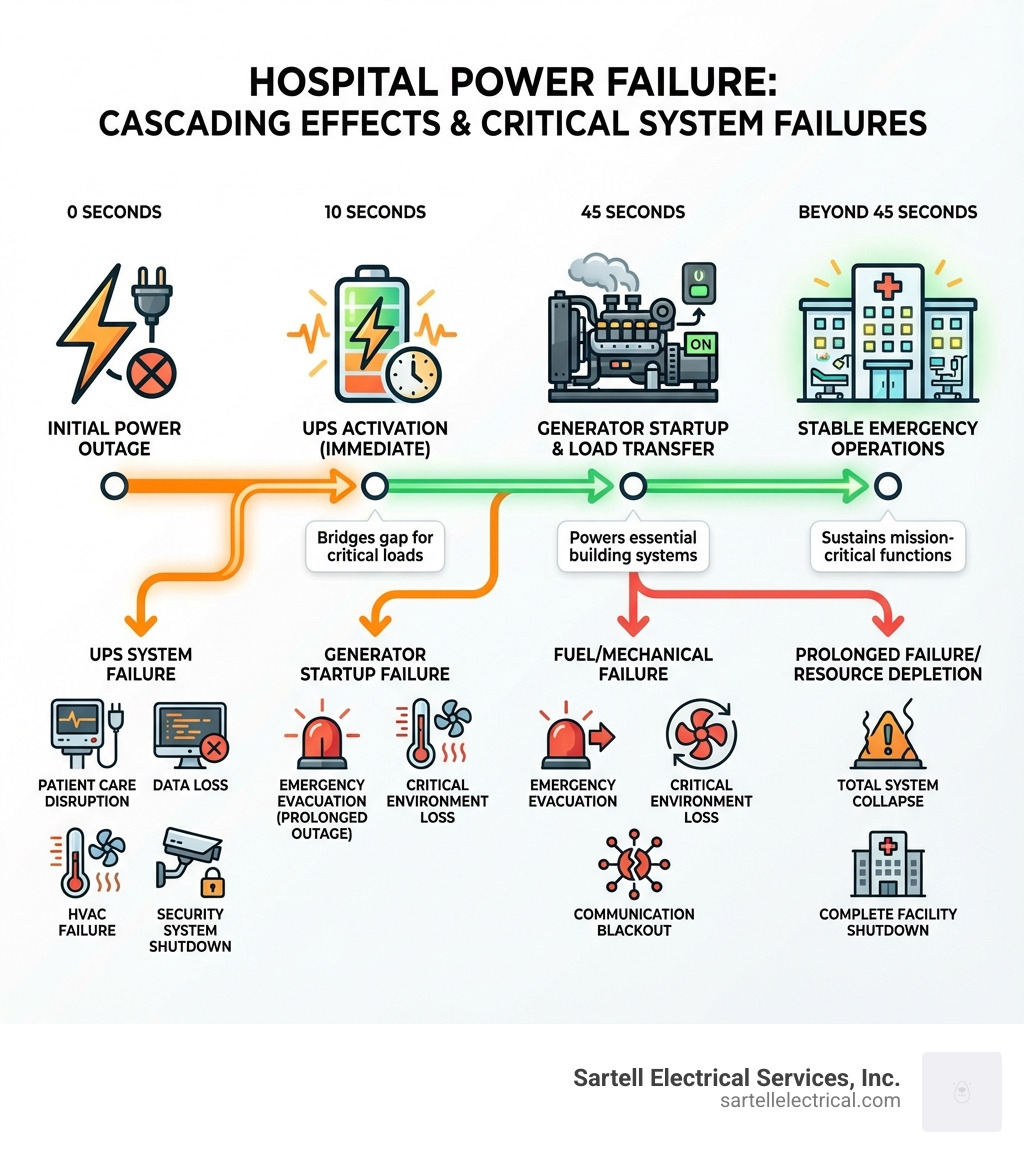
The stakes are high. During Hurricane Sandy, a major New York hospital was forced to evacuate after its emergency power failed. Following the 1994 Northridge earthquake, many hospitals ran on emergency power for a week. When critical systems fail, the results aren't just inconvenient—they can be life-threatening, financially ruinous, or legally devastating.
As Ed Sartell, President of Sartell Electrical Services, I've spent nearly four decades helping Massachusetts businesses, healthcare facilities, and institutions design, install, and maintain their critical electrical systems to withstand both everyday demands and extraordinary events. My team understands that your critical electrical system isn't just about compliance—it's about ensuring your facility can fulfill its mission when it matters most.
 Critical electrical system
 terms you need:
Defining Your Power Needs: Critical, Essential, and Non-Critical Loads
When we talk about electrical systems, not all loads are created equal. Some require constant power to prevent disaster, while others can tolerate an outage. Understanding these distinctions is the first step in designing a resilient
critical electrical system for your facility in Massachusetts. This clarification helps prioritize where to invest resources, ensuring what truly matters remains powered on.
Critical Loads vs. Non-Critical Loads
At Sartell Electrical Services, we define a
critical load as any electrical demand whose interruption would lead to severe, immediate, and potentially devastating consequences. These are systems that, if they fail, could result in life-threatening conditions, irreversible data corruption, or significant financial penalties. For instance, life support systems in a Boston hospital or servers in a Cambridge data center are prime examples of critical loads. A power outage for even a few seconds can corrupt data or have dire consequences in a healthcare setting.
In contrast, a
non-critical load includes non-essential systems that your company can function without for a period. Their failure might be inconvenient, but it won't trigger an emergency or cause irreparable harm. Think of general office lighting, HVAC in non-sensitive areas, or break room appliances. While we appreciate a comfortable workspace, a brief power cut to these items won't shut down operations.
The key difference lies in the magnitude and immediacy of the consequences. A critical load serves a vital function where a temporary power loss would cause immediate hazards, while a non-critical load is non-essential.
Here's a simple comparison:
| Attribute |
Critical Loads |
Non-Critical Loads |
| Impact of Failure |
Dangerous, devastating, life-threatening, catastrophic data loss, severe financial penalties |
Inconvenient, reduced productivity, minor discomfort, no immediate danger |
| Required Uptime |
Uninterrupted (zero tolerance for downtime) |
Tolerates brief or extended downtime |
| Typical Examples |
Life support, data servers, security systems, process controls, emergency communications |
Office lighting, general HVAC, personal computers, printers, kitchen appliances |
Essential Loads vs. Critical Loads: A Key Distinction
Adding another layer of nuance, we often encounter the term "essential load." An
essential load involves secondary support services required to maintain normal operations. While crucial for business continuity, they can usually survive a small break in power—perhaps a few seconds—before backup systems kick in without catastrophic failure.
A classic example is emergency lighting or a fire alarm system. While vital for safety, these systems are designed to operate after a brief delay. The life safety branch, for instance, includes power for egress lighting, exit signs, and the fire alarm system. These are essential for safety but can tolerate the brief transfer time to an emergency power source.
The distinction is subtle but important: all critical loads are essential, but not all essential loads are critical. A critical load demands zero-break power from a UPS, while an essential load, though requiring backup, can ride through a short interruption. Understanding this hierarchy helps us engineer the most efficient solutions for your facility in Greater Boston.
Factors for Classifying Power Loads
Classifying power loads is a strategic decision that impacts your organization's safety, financial health, and reputation. When we help clients in places like Framingham, Woburn, and Peabody assess their electrical needs, we consider several factors:
- Impact on Customers: Would an outage prevent you from serving customers or fulfilling obligations, potentially leading to lost business?
- Financial Penalties: Would downtime trigger regulatory fines, contractual penalties, or significant revenue loss?
- Productivity and Production: How severely would an outage impact your team's ability to work or halt production lines?
- Security Systems: Are security, access control, or surveillance systems critical for safety or asset protection?
- Quality Control: Do processes require continuous power to maintain product quality, such as temperature controls in food or pharmaceutical industries?
- Environmental Controls: Must critical environmental systems, like HVAC for data centers or refrigeration for medical supplies, remain operational?
- Stakeholder Reputation: Could a power failure significantly damage your organization's reputation or public trust?
- Service Provisions: What core services do you provide, and which electrical loads are absolutely necessary to deliver them?
By carefully evaluating these factors, we can develop a robust power strategy that aligns with your operational priorities. This assessment is a cornerstone of effective
Electrical Asset Management: The Complete Guide.
Understanding Your Critical Electrical System: Components and Design
A reliable
critical electrical system is more than just a backup generator. It's an integrated network of components designed for resilience. At Sartell Electrical Services, we specialize in building these robust systems across Massachusetts, from industrial facilities in Lowell to healthcare providers in Lexington, ensuring that when the grid goes down, your critical operations stay up.
Core Components of a Critical Electrical System
Let's explore the key players in maintaining continuous power:
- Uninterruptible Power Supplies (UPS): A UPS is the first line of defense, providing instantaneous, no-break power from batteries. When mains power fails, the UPS instantly takes over, protecting sensitive equipment like servers and medical devices. This allows time for a graceful shutdown or for a generator to start, making it non-negotiable for the most critical systems.
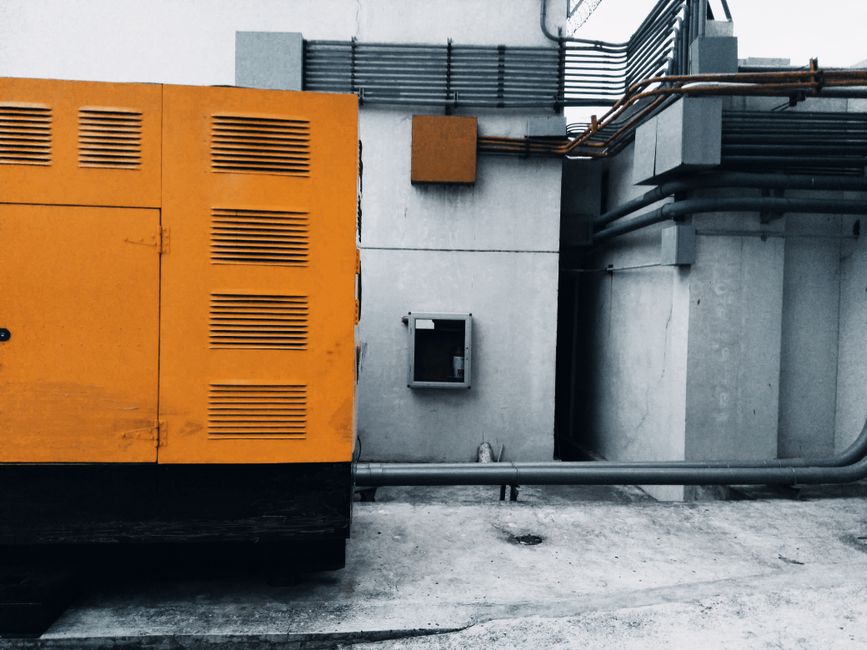
- Generators: As the workhorses for extended outages, generators provide sustained backup power for hours or days. Fueled by diesel, natural gas, or propane, they are crucial for facilities that cannot afford prolonged downtime. Our expertise in Industrial Generator Services: The Complete Guide ensures your generator is properly sized, installed, and maintained.
- Automatic Transfer Switches (ATS): The ATS is the intelligent bridge between utility and generator power. It detects a power loss, signals the generator to start, and seamlessly transfers the electrical load. When utility power returns, it transfers the load back and shuts down the generator. This automation is critical for minimizing downtime.
- Transformers: Transformers are fundamental to the electrical grid, adjusting voltage for transmission and distribution. Within a critical electrical system, they ensure voltage levels are appropriate for various equipment, protecting sensitive electronics and optimizing performance.
- Circuit Breakers: As vigilant protectors, circuit breakers (like VCBs, MCBs, and MCCBs) safeguard systems from electrical faults. They detect overcurrents or short circuits and automatically interrupt power flow, preventing equipment damage and fire hazards. In a critical system, proper coordination ensures that only the affected circuit trips, leaving other critical loads online.
The power chain sequence typically involves utility power flowing through transformers and circuit breakers. If utility power fails, the ATS detects this, starts the generator, and transfers the load. For ultra-sensitive equipment, a UPS provides immediate power during this brief transfer period.
Designing a Resilient Critical Electrical System
Designing a resilient
critical electrical system is a specialized task requiring deep expertise. Our team at Sartell Electrical Services employs best practices to create systems that withstand numerous challenges.
Key design principles include:
- Redundancy Strategies (N+1, 2N): Redundancy involves having backup components. N+1 redundancy provides one extra component than needed ('N'). 2N redundancy, common in data centers in areas like Waltham or Burlington, provides a complete, independent duplicate system for seamless takeover. This principle is crucial in high-stakes environments.
- Physical and Electrical Separation: To prevent a single event (like a fire or flood) from disabling redundant systems, physical and electrical separation is paramount. This means placing components in different rooms, using separate wiring raceways, and creating distinct power paths to prevent a localized incident from crippling the entire backup system.
- Single-Failure Criterion: This design philosophy requires a system to function even if any single component fails. For example, if one generator fails, the others must still power all critical loads. This is fundamental for high-stakes environments like healthcare and public safety.
The importance of professional
Electrical System Design cannot be overstated. It ensures all components work together harmoniously, comply with regulations, and provide the uninterrupted power your facility needs.

Critical Systems Across Industries: Key Regulations and Applications
The demand for robust
critical electrical systems spans many industries, each with unique operational needs and regulations. From patient care in Massachusetts hospitals to data centers in Greater Boston, understanding these specialized requirements is what sets expert electrical contractors apart.
Healthcare Facilities: The Essential Electrical System (EES)
In healthcare, continuous power can mean the difference between life and death. Facilities must adhere to stringent codes, primarily NEC Article 517, which mandates an Essential Electrical System (EES). The EES is divided into three branches to ensure safety and continuity during an outage:
- Life Safety Branch: This branch powers loads essential for safe building evacuation, including egress lighting, exit signs, specific powered doors, and the fire alarm system. Its purpose is to allow people to exit safely during an emergency.
- Critical Branch: This branch powers systems for direct patient care that cannot tolerate any interruption. It includes operating room lighting, patient monitors, life support systems, and other vital medical devices. Expert consultation is crucial as requirements can have some room for interpretation.
- Equipment Branch: This branch powers equipment necessary for hospital function but not immediately life-sustaining. Examples include HVAC for operating rooms, medical refrigeration, and sterilizers. NEC 517.34 specifies what connects to this branch.
A common question in facilities in places like Newton or Danvers is whether large motor loads like chillers can go on the critical branch. The answer is generally no. Large motors can cause power quality issues (surges, voltage drops) that destabilize power for sensitive patient care equipment. The code places such equipment on the equipment branch to protect the critical branch's integrity. Our work in
Health Care Electrical Services helps steer these complex requirements.
Data Centers, Public Safety, and National Security
Beyond healthcare, other sectors rely heavily on
critical electrical systems for safety and continuity.
- Data Centers: As digital fortresses, data centers demand uninterrupted power to prevent data loss. They often fall under NFPA 70's Critical Operations Power Systems (COPS) designation. For our clients with Data Center Solutions Boston, we implement redundant power architectures for maximum uptime.
- Public Safety and Emergency Management: Police stations, fire departments, and emergency operations centers in communities like Salem or Quincy need reliable power to coordinate responses during crises. These facilities are also covered by COPS provisions, ensuring essential services remain operational.
- National Security: Critical national security infrastructure also relies on highly resilient electrical systems. Understanding broader regulatory landscapes, such as those from NERC for the Bulk Electric System or the US Coast Guard for marine vessels, informs our general approach to critical system design, emphasizing reliability and redundancy.
Best Practices for Maintenance, Testing, and Reliability
Even the most expertly designed
critical electrical system is only as good as its maintenance. Proactive care and rigorous testing are the bedrock of reliability, ensuring your systems perform flawlessly when needed most. At Sartell Electrical Services, we know that diligent maintenance prevents critical power failures in any Massachusetts business.
Common Risks and Failure Modes
Electrical systems are susceptible to various risks that can compromise reliability. Understanding these helps us prevent problems:
- Insulation Degradation: Insulation on wires and components breaks down over time from heat, age, or environment. This can lead to short circuits, ground faults, and catastrophic failures like arc flashes.
- Overloading: Drawing too much current from a circuit leads to overheating, component stress, and failure. It can shorten a transformer's lifespan and compromise circuit breakers.
- Loose Connections: Vibrations, thermal cycling, or improper installation can loosen connections. This increases resistance and heat, creating a risk of localized failure or fire.
- Environmental Factors: Moisture, dust, extreme temperatures, and lightning can severely impact electrical components, especially outdoor equipment. Proper protection is essential.
- Component Aging: Electrical components age naturally: capacitors dry out, batteries lose capacity, and parts wear down. Regular inspections and planned replacements are crucial to mitigate this.
The consequences of these failures extend beyond equipment damage to business interruption, which carries significant financial implications. Proactive maintenance is far more cost-effective than reacting to a catastrophic failure.
Proactive Maintenance and Testing Protocols
To ensure the reliability of your
critical electrical system, we implement a comprehensive regimen of proactive maintenance and testing:
- Regular Inspections: Visual inspections by qualified electricians can identify loose connections, signs of overheating, and environmental damage before they escalate.
- Infrared Thermography: Thermal imaging cameras detect abnormal heat signatures ("hot spots") in electrical equipment. These indicate impending failure from high resistance or overloading, allowing for proactive repairs.
- Load Bank Testing: This critical test for generators involves applying a temporary load to force operation at rated capacity. It verifies the generator can handle its full load and ensures reliability for an actual outage.
- Battery Health Checks: For UPS and DC power systems, battery health is paramount. Regular voltage, impedance, and discharge tests confirm batteries can hold a charge and deliver the required power.
- Dissolved Gas Analysis (DGA): For oil-filled transformers, DGA is a powerful diagnostic. Analyzing gases dissolved in the oil detects internal issues like overheating or arcing long before a visible failure occurs.
- Documentation and Record-Keeping: Meticulous records of maintenance, tests, and repairs are essential. This documentation helps track component lifespans, identify recurring issues, and ensure regulatory compliance.
Our commitment to
Electrical Maintenance Services ensures that your critical systems are always ready to perform, protecting your operations and your peace of mind.
Frequently Asked Questions About Critical Electrical Systems
We often get asked similar questions about
critical electrical systems from our clients across Middlesex County, Essex County, and other parts of Massachusetts. Here are some of the most common inquiries, along with our expert answers.
What is the difference between an emergency power system and a critical electrical system?
While related, these terms differ in a regulatory context.
Emergency power systems are a legally required subset of critical systems, designed specifically to protect human life (e.g., egress lighting, fire alarms) and must activate within a short, specified time (often 10 seconds). Their function is life safety.
A
critical electrical system is a broader term for all loads vital to your facility's operations, safety, or business continuity, as defined by your risk tolerance. It includes emergency systems but also data servers, process controls, and more. In short, all emergency systems are critical, but not all critical systems are legally defined as "emergency."
How quickly must a critical system provide backup power?
The required speed depends on the load's sensitivity:
- Instantaneous Power (milliseconds): For the most sensitive equipment like data servers or delicate manufacturing controls, an Uninterruptible Power Supply (UPS) is essential. It provides instantaneous, no-break power, ensuring zero interruption during the switch from utility to backup power.
- Rapid Transfer (seconds): For many critical loads, an Automatic Transfer Switch (ATS) transfers power to a generator within seconds. Healthcare codes, for example, often mandate the critical branch receives power within 10 seconds of an outage.
- Sustained Power (minutes to hours): Once a generator starts, it provides sustained power for extended outages. The goal is to minimize the "dark time" for critical loads by aligning the backup system's response to the equipment's needs.
Can I put my building's main air conditioning on the critical branch?
Generally, no. This is a frequent point of discussion in Massachusetts facilities, especially in healthcare. Placing large motor loads like main air conditioning units on the critical branch is not permitted by code and is poor engineering for several reasons:
- Power Quality Issues: Large motors draw significant current when starting, which can cause voltage sags and destabilize the power supplied to sensitive critical loads like patient monitors or IT infrastructure.
- Code Requirements: In healthcare, NEC Article 517 clearly distinguishes between the critical branch (for direct patient care) and the equipment branch. Large mechanical systems like HVAC are designated for the equipment branch to protect patient-care systems.
- System Stability: Overloading the critical branch with large, non-essential loads compromises the entire system's reliability.
For most facilities, large HVAC systems are connected to an optional standby system. Our experienced
Commercial Electricians can help design the appropriate power distribution for all your building's needs.
Conclusion: Partnering for Power Resilience
Understanding your
critical electrical system is the first step toward operational resilience. Identifying, designing, and maintaining these systems requires a strategic approach that goes beyond simple compliance to actively manage risk. For over 30 years, Sartell Electrical Services has provided expert commercial, industrial, and healthcare electrical services across Massachusetts, ensuring facilities have the reliable power they need to operate safely and effectively. To build a more resilient power strategy for your facility, explore our professional services.
Learn more about our Electrical Condition Monitoring services