Electrical Civil Contractors: 2025 Expert Guide
Understanding What Electrical Civil Contractors Do
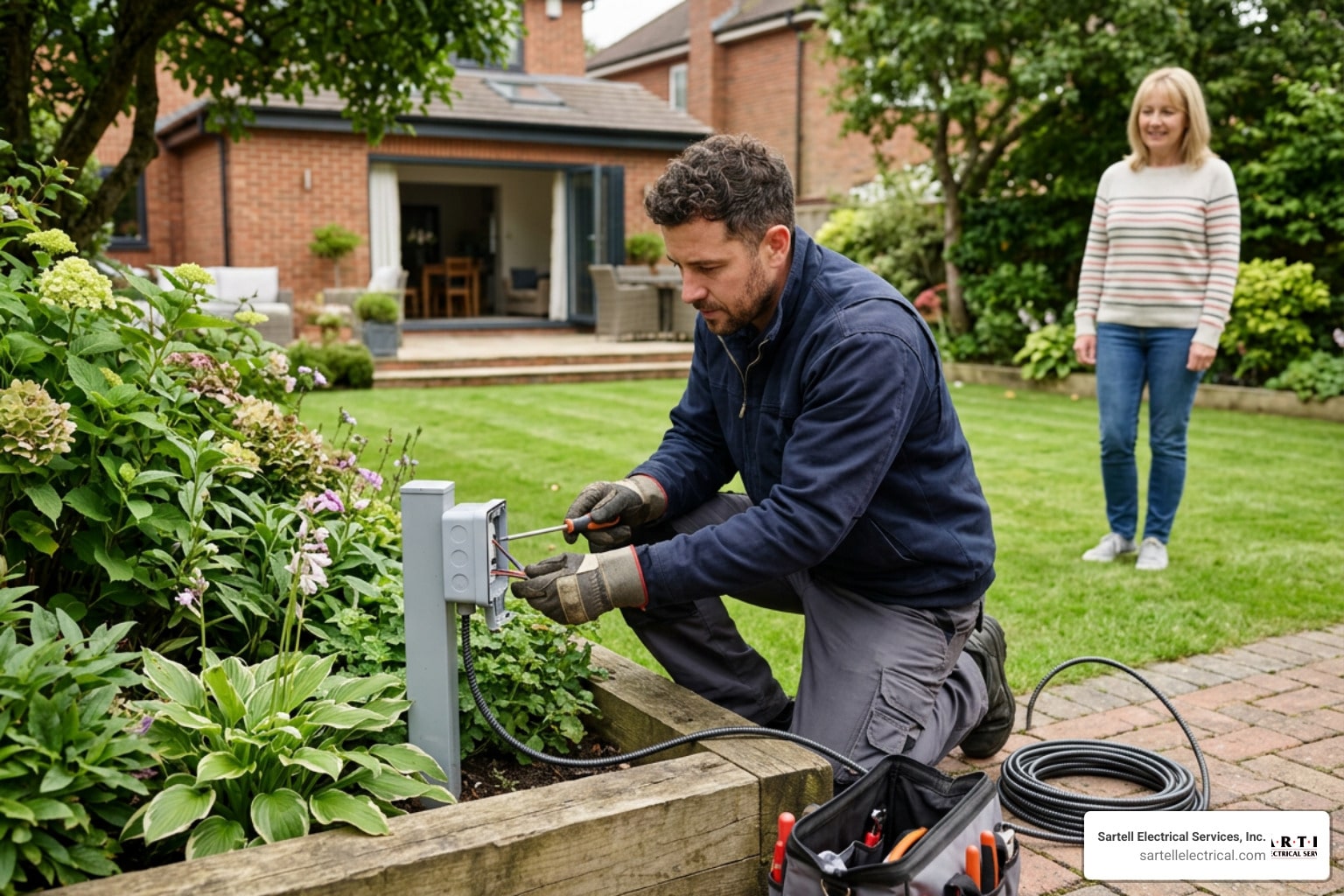
Electrical civil contractors are specialized professionals who bridge the gap between electrical systems and major infrastructure projects. Unlike traditional electricians who focus on buildings, these contractors handle the complex electrical work that powers entire communities, from installing transmission lines and substations to managing underground utility systems.
What electrical civil contractors do:
- Install power distribution networks for cities, towns, and industrial complexes
- Build electrical infrastructure like substations, transmission lines, and switchyards
- Handle underground electrical systems including trenching, conduit installation, and cable laying
- Manage utility-scale projects such as solar farms and battery energy storage systems
- Coordinate electrical work with civil engineering projects like roads, airports, and water systems
- Ensure safety compliance for high-voltage and complex electrical installations
These contractors are essential for modern infrastructure development, working on projects ranging from small municipal upgrades to massive industrial complexes. They combine both civil and electrical expertise into one unified service.
The demand for electrical civil contractors continues to grow as communities modernize their power grids, integrate renewable energy sources, and expand infrastructure. From utility-scale solar projects exceeding 400 megawatts to complex substation work involving high-voltage systems, these professionals are literally powering our future.
I'm Ed Sartell, President of Sartell Electrical Services, and with nearly four decades of experience in the electrical trade, I've seen how electrical civil contractors play a crucial role in building the infrastructure that keeps our communities running. My team and I have worked on everything from commercial installations to complex industrial projects, giving us deep insight into the specialized world of electrical civil contracting.
Electrical Contractor vs. Electrical Civil Contractor: Understanding the Difference
Picture this: you need electrical work done. If it's inside your office building or factory, you'd call a regular electrical contractor like us at Sartell Electrical Services. But if you're building a new highway with street lights, or installing a massive substation to power half the city? That's when you need an electrical civil contractor.
The difference is like comparing a skilled carpenter who builds custom kitchen cabinets to a construction crew that builds entire skyscrapers. Both work with similar tools and materials, but the scale and environment are completely different.
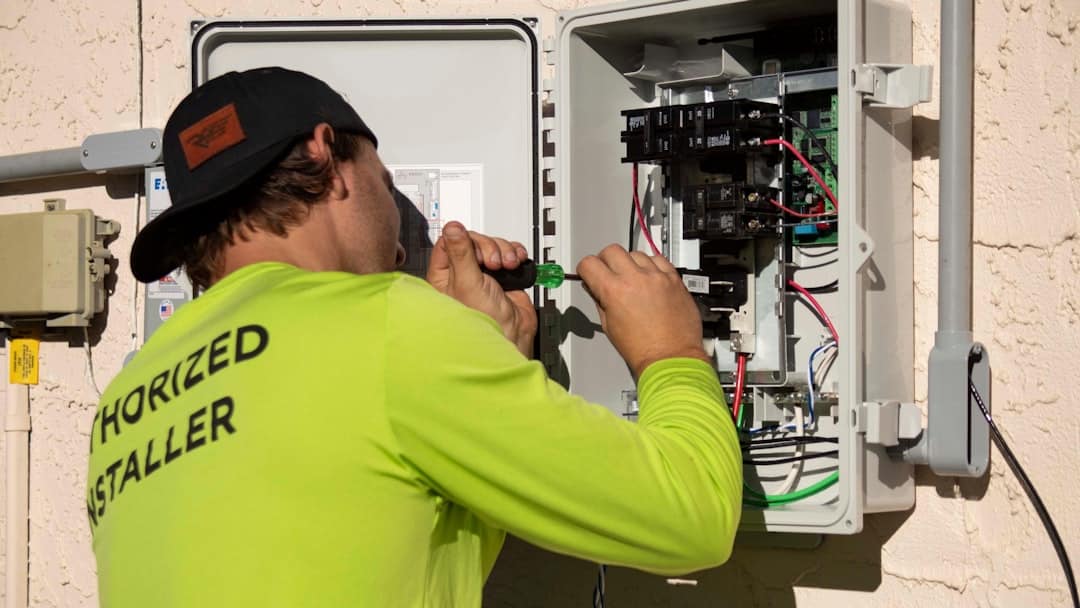
Regular electrical contractors focus on the electrical systems that make buildings work. We're the ones you call for wiring new commercial spaces, upgrading industrial control panels, or setting up complex telecommunications systems. Our expertise shines in places like hospitals, office buildings, and manufacturing facilities - basically anywhere with walls and a roof. When businesses need reliable Commercial Electrical Contractors, they're looking for this type of specialized building-focused work.
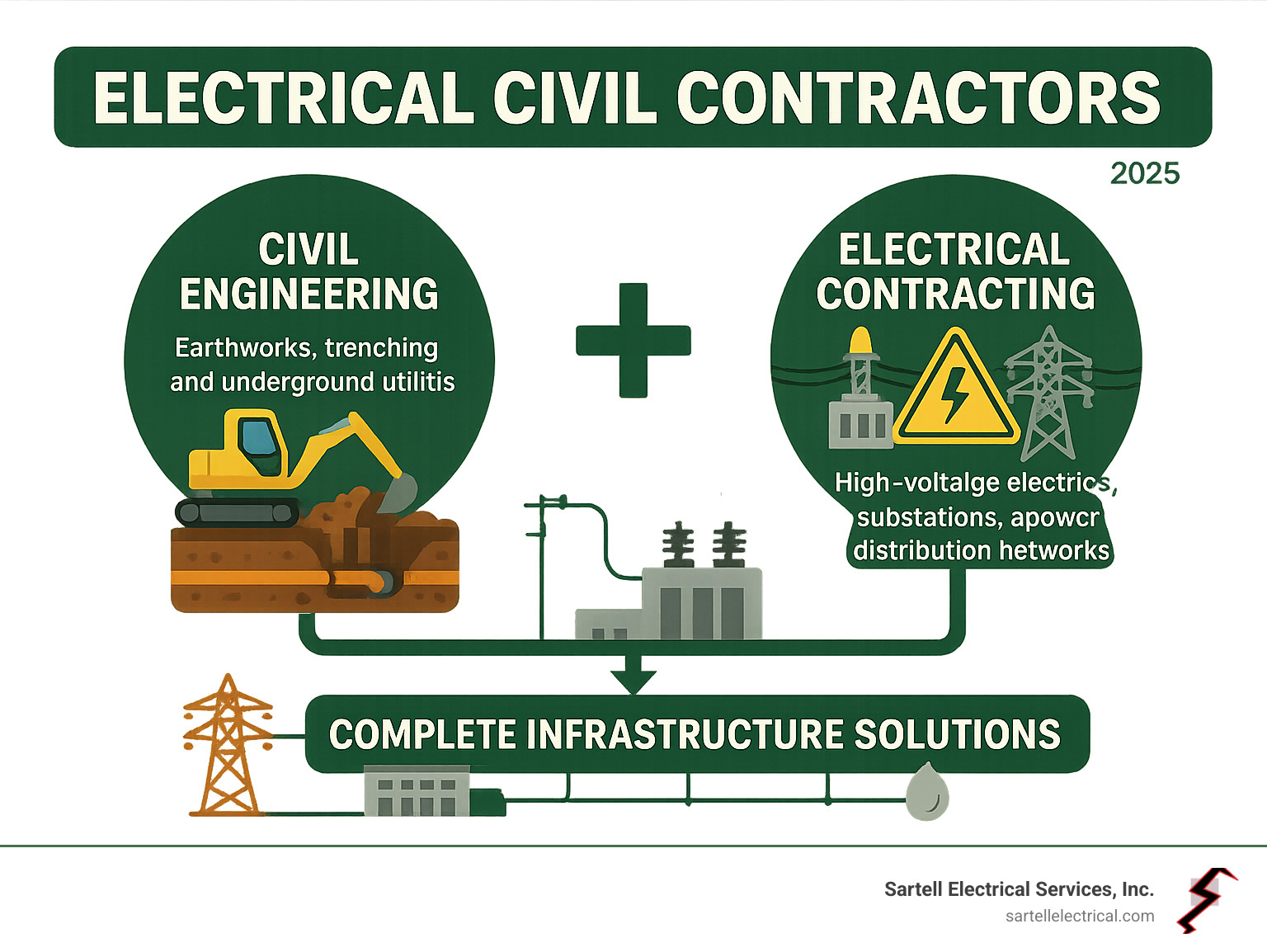
Electrical civil contractors, on the other hand, are the specialists who handle the massive electrical infrastructure projects that happen outside of buildings. They're digging trenches for underground power lines, erecting transmission towers, and building the substations that distribute electricity across entire regions.
| Feature | Electrical Contractor (General) | Electrical Civil Contractor |
|---|---|---|
| Primary Scope | Electrical systems within buildings (commercial, industrial, residential) | Large-scale infrastructure projects (outside buildings) |
| Environment | Mostly indoor, controlled environments | Predominantly outdoor, exposed to various terrains and weather |
| Key Skills | Wiring, panel work, lighting, system integration, code compliance | Earthworks, trenching, underground utilities, high-voltage, large-scale project coordination |
| Project Examples | Office buildings, factories, hospitals, retail stores | Substations, transmission lines, roads, airports, municipal utilities, solar farms |
The skills required are vastly different too. While we might spend our day troubleshooting a complex control system in a climate-controlled facility, electrical civil contractors are out there operating heavy excavation equipment, installing miles of underground conduit, and working with high-voltage systems that could power entire neighborhoods.
Think about it this way: when you flip a light switch in your office, the electricity travels through systems that both types of contractors helped create. We handled the wiring inside your building, but an electrical civil contractor probably installed the underground cables that bring power to your block, and definitely built the substation that steps down the voltage from the transmission lines.
It's a fascinating partnership, really. We make sure the electricity works perfectly once it gets to your building, while electrical civil contractors make sure it can get there in the first place. Both are essential, but the challenges and expertise required are as different as night and day.
Core Services and Projects of Electrical Civil Contractors
Electrical civil contractors are the unsung heroes who power our communities. Their work spans public and private sectors, combining electrical expertise with civil engineering skills to support the infrastructure we depend on daily.
Foundational Civil and Earthworks
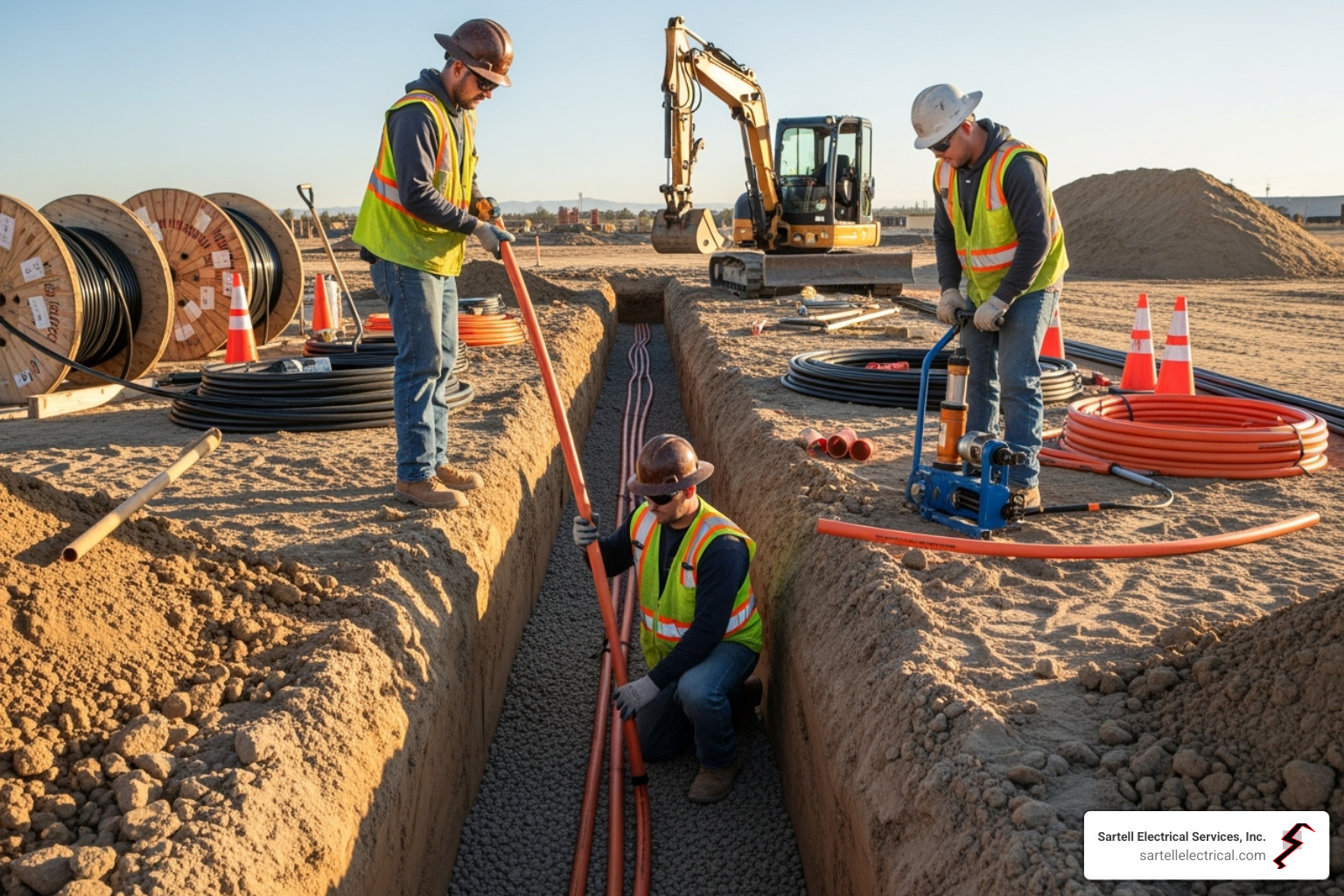
Before any electrical work begins, significant earthwork is required. This "civil" aspect is often the most challenging part of the job.
- Trenching and Conduit Installation: Crews dig precise trenches for high-voltage lines and install protective conduits. This requires careful planning to protect the electrical systems for decades.
- Underground Cabling: Miles of cables are laid within these conduits, creating vast underground networks that power communities without cluttering the landscape.
- Pole Installation and Site Preparation: This involves using specialized equipment to install utility poles with stability in mind and preparing large sites for critical infrastructure like substations.
- Specialized Excavation: Contractors must be equipped for rock excavation and installing complex earthing systems for safety and grounding.
High-Voltage and Low-Voltage System Installation
Once the groundwork is laid, contractors install the systems that manage and deliver electricity.
- Power Distribution Networks: They design and install the complex grids that move electricity from power plants to end-users, handling both high-voltage and low-voltage systems.
- Transmission Lines and Substations: Building the massive towers and lines that transport electricity over long distances is a key service. They also construct substations, which act as control centers for the grid, managing voltage levels with massive transformers and intricate switchyard equipment.
- Utility Shifting: When new construction interferes with existing electrical infrastructure, these contractors perform the delicate task of moving it while maintaining power for everyone else.
This type of work requires the same attention to detail and safety found in our Industrial Electrical Solutions.
Powering Public Infrastructure and Community Projects
The work of electrical civil contractors is visible in the infrastructure all around us.
- Transportation: They install the electrical systems for roads and highways, including street lighting, traffic signals, airports, and railways.
- Public Utilities: They provide the power needed for essential services like water and sewerage systems to operate 24/7.
- Community Spaces: Even parks, sports fields, and community centers rely on their expertise for lighting and power.
The diversity of these projects is remarkable. We're proud of our own contribution to vital community infrastructure, and you can View our past Projects to see how electrical contractors help build thriving communities.
The Hallmarks of a Professional Electrical Civil Contractor
When dealing with critical infrastructure, choosing the right contractor is paramount. Electrical civil contractors handle projects where mistakes can be dangerous and expensive. The best professionals stand out through their credentials, safety practices, and the benefits they bring to complex projects.

Essential Qualifications and Certifications
Credentials demonstrate commitment, expertise, and adherence to rigorous standards. For electrical civil contractors, these qualifications are essential.
- Proper Licensing: Look for contractors holding both electrical and civil work licenses (e.g., Class A and C-10 licenses) at state and local levels.
- Union Affiliations: Affiliations with organizations like the IBEW (International Brotherhood of Electrical Workers) often indicate access to a highly trained and skilled workforce.
- Industry Associations: Membership in groups like NECA (National Electrical Contractors Association) shows a commitment to professional development and industry best practices.
- Specialized Certifications: For complex work, specific credentials like VEDN certification for underground infrastructure are crucial.
- Master Electrician Oversight: The involvement of a Master Electrician ensures the highest level of expertise is guiding critical project decisions.
Unwavering Commitment to Job Site Safety
Electrical civil work is inherently dangerous due to high voltage, heavy machinery, and deep excavations. Top contractors treat safety as their core operating principle.
- Comprehensive Safety Protocols: They implement robust Occupational Health and Safety Management Systems (OHSMS).
- Pre-Job Safety Reviews: This includes "Dial Before You Dig" checks, site hazard assessments, and detailed safety briefings.
- Specialized PPE: Teams use advanced Personal Protective Equipment (PPE), such as arc-flash protection and high-voltage rated gloves.
- Site-Specific Safety Plans: Custom plans are developed for the unique risks of each project, whether it's underground work or overhead line installation.
A strong safety record and a culture where safety is key are non-negotiable.
The Benefits of Hiring Specialized Electrical Civil Contractors
Specialists bring unique advantages that lead to better outcomes for infrastructure projects.
- Streamlined Process: Integrated civil and electrical expertise under one roof eliminates coordination headaches and keeps projects flowing smoothly.
- Specialized Equipment: They own and operate the right tools for the job, from laser-guided trenchers to high-voltage testing gear, improving quality and efficiency.
- Safety Compliance: Their deep understanding of the specific risks and regulations helps prevent accidents and ensures compliance.
- Large-Scale Project Expertise: They are experienced in managing the logistics, stakeholders, and challenges of multi-million dollar infrastructure work.
- Efficient Project Management: Refined processes lead to more accurate estimates, better scheduling, and effective resource allocation.
- Budget Adherence: Their experience helps prevent costly surprises and change orders, ensuring projects are completed on budget.
Technology and Trends Shaping the Industry
The world of electrical civil contractors is being revolutionized by technology and new opportunities. Today's contractors are embracing cutting-edge tools and sustainable practices that are reshaping how we power our communities.

The Role of Technology in Modern Contracting
Technology has become a game-changer, enabling greater precision and efficiency.
- Building Information Modeling (BIM) allows teams to create detailed 3D models to spot potential problems before breaking ground.
- GPS software like Trimble ensures every trench and pole is placed with millimeter precision.
- Drones for site surveys map vast project areas in hours, helping with planning and progress monitoring.
- Advanced diagnostic tools, like thermal imaging, help identify issues quickly, reducing downtime.
- Smart grid technology enables real-time monitoring and more efficient power distribution, making infrastructure more responsive and reliable.
Emerging Opportunities in Electrical Civil Contracting
The shift toward sustainability and smart technology is creating massive demand for specialized electrical civil work.
- Renewable Energy Integration: Utility-scale solar farms and Battery Energy Storage Systems (BESS) require extensive site preparation, underground cabling, and complex electrical systems to connect clean energy to the grid.
- EV Charging Infrastructure: The electric vehicle revolution requires robust electrical systems and power distribution upgrades for charging stations.
- Telecommunications and Smart Cities: Our expertise in Telecommunications Electrical Services is vital for the expansion of 5G and fiber optic networks. Smart city development also relies on contractors who can integrate systems for lighting, traffic, and public safety.
These trends are creating careers for contractors ready to build the foundation for a smarter, more sustainable world.
Frequently Asked Questions
Understanding how electrical civil contractors operate helps in making better project decisions. Here are answers to some common questions.
How do electrical civil contractors manage project timelines?
Experienced electrical civil contractors use proven systems to manage complex infrastructure projects and keep them on track.
- Project Management Software: Sophisticated software tracks every detail, from materials to schedules, providing real-time visibility to prevent delays.
- Lean Construction Principles: Techniques like look-ahead schedules and daily planning sessions ensure everyone knows their role and what's next.
- Accurate Estimating: Precise tools and detailed planning software prevent miscalculations that can derail timelines.
- Constant Communication: Regular check-ins with clients, engineers, and authorities ensure problems are solved quickly.
- Contingency Planning: Having backup plans for unexpected issues like weather delays or difficult terrain keeps projects moving forward.
What kind of equipment is unique to this field?
Electrical civil contractors use impressive, specialized machinery designed for large-scale infrastructure challenges.
- Heavy Excavators: These machines use specialized attachments like rock hammers to break tough ground or precision systems to dig near existing utilities.
- Laser-Guided Trenching Systems: This technology ensures trenches are dug with incredible accuracy for proper cable installation and drainage.
- All-Terrain Pole Installation Equipment: Specialized rigs can traverse difficult landscapes to drill holes and erect utility poles.
- Cable Pullers and Plows: This equipment can dig trenches and lay cable in a single, continuous operation, speeding up installation.
- High-Voltage Testing Gear: Critical diagnostic tools ensure all connections are safe and functional before energizing a system.
Are electrical civil contractors involved in renewable energy?
Yes, absolutely. Electrical civil contractors are essential to building our clean energy future.
- Utility-Scale Solar Farms: They perform the extensive civil work (site grading, trenching) and electrical work (installing inverters, transformers, grid connections) required for large solar projects.
- Battery Energy Storage Systems (BESS): These contractors handle the site preparation and complex electrical integration needed to store and dispatch renewable energy.
- EV Charging Infrastructure: They install the heavy-duty electrical systems and perform the necessary trenching and power upgrades for electric vehicle charging stations.
These contractors combine earthmoving capabilities with electrical expertise, making the renewable energy revolution possible.
Conclusion
Electrical civil contractors are the professionals who power the backbone of our modern society. They bridge the gap between massive earthworks and intricate electrical systems, handling everything from trenching and underground cabling to high-voltage substations and transmission lines.
Their unique skill set is essential for projects that traditional electricians don't handle, such as installing utility-scale solar farms, powering public infrastructure, and building the EV charging infrastructure for a sustainable future. These licensed and certified professionals use cutting-edge technology like BIM and maintain an unwavering focus on safety.
At Sartell Electrical Services, Inc., we have over 30 years of experience serving Massachusetts communities. We appreciate the skill and dedication required for all types of electrical work, from complex industrial panels to the large-scale projects that keep our cities running. Our commitment to excellence, leadership, and customer service is at the core of everything we do.
The next time you flip a light switch, remember the unsung heroes who built the infrastructure to make it possible.
For all your complex electrical needs, from commercial buildings to industrial systems, explore our comprehensive Electrical Services.