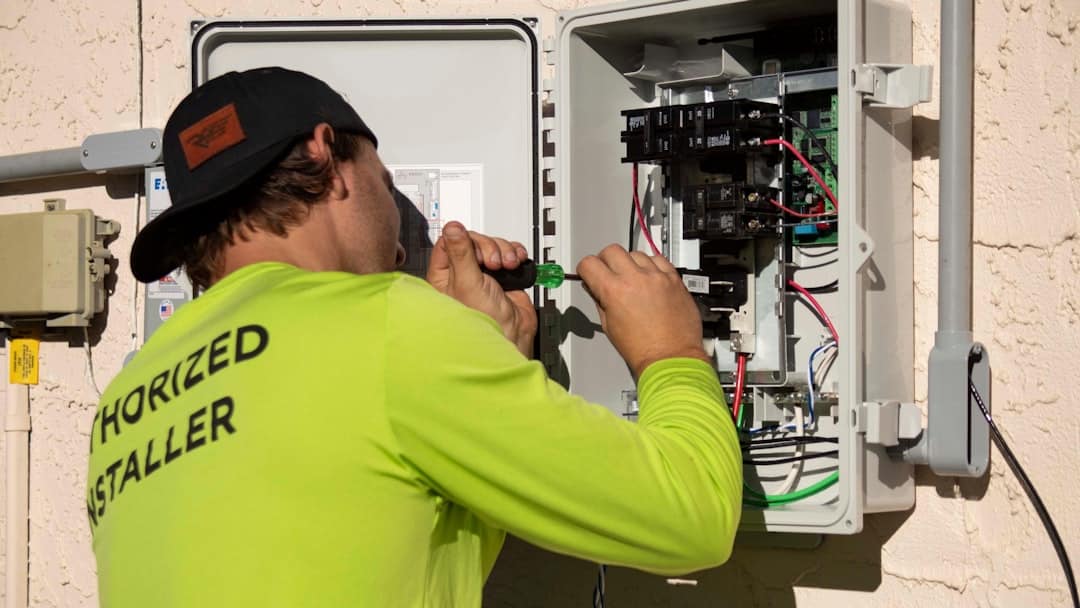
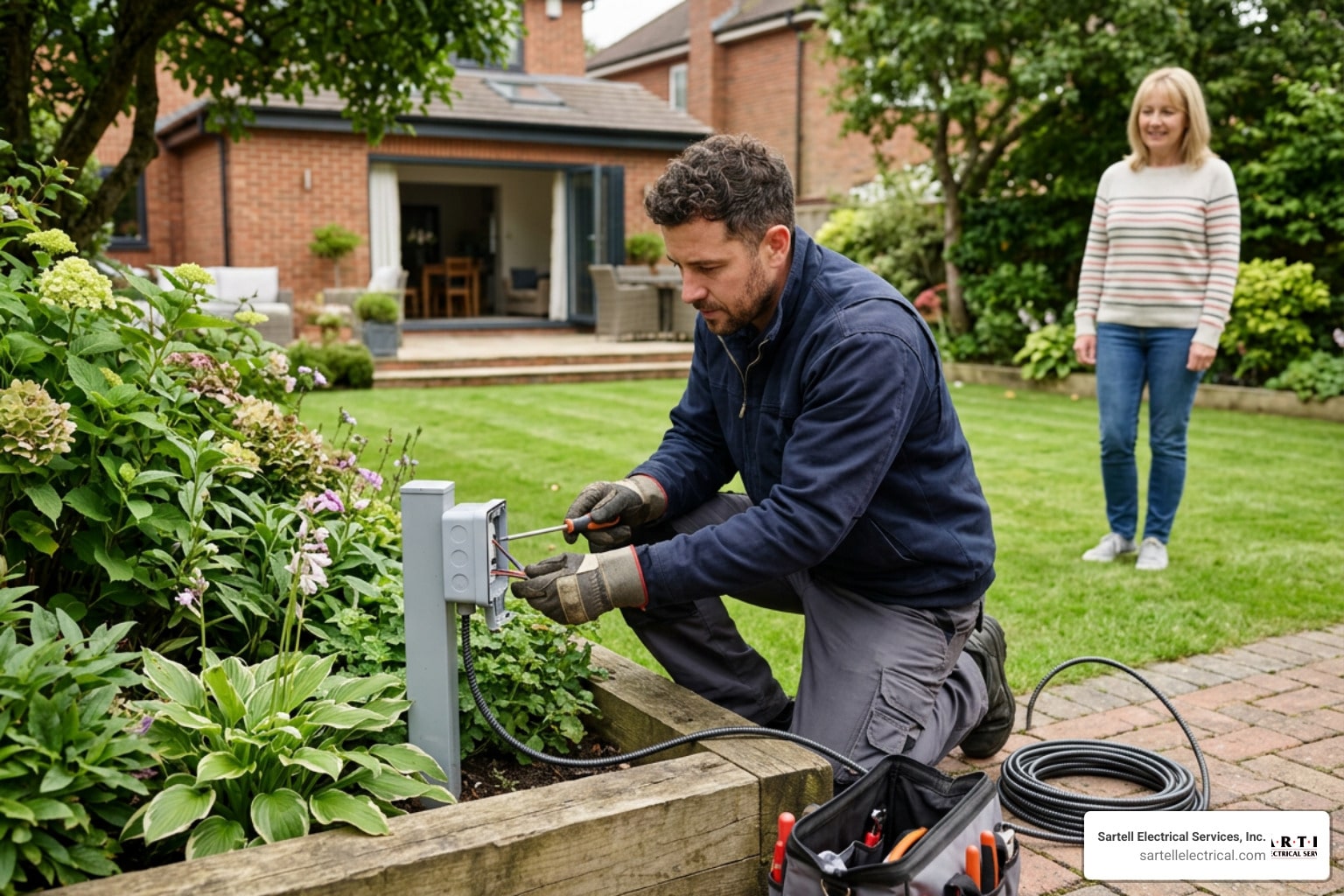
Why Commercial Electrical Inspections Are Essential for Your Business
Commercial electrical inspections are comprehensive evaluations of a business's electrical systems, conducted by licensed electricians or inspectors to ensure everything meets code requirements and operates safely. These inspections examine all components—from the main service panel to individual outlets and fixtures—identifying safety hazards, code violations, and potential equipment failures before they become serious problems.
Quick Overview: What You Need to Know
- What it is: A thorough assessment of wiring, panels, circuits, grounding, lighting, and safety devices
- Why it matters: Prevents electrical fires, protects employees and customers, ensures legal compliance, avoids costly downtime
- How often: At least annually for most businesses; semi-annually for high-risk environments
- Who performs it: Licensed electricians or certified electrical inspectors, ideally a master electrician for complex commercial systems
- What you get: A detailed report documenting conditions, violations, and required repairs
Commercial electrical systems power everything that keeps your business running—from computers and HVAC to manufacturing equipment and security systems. But unlike residential properties, commercial buildings face higher electrical loads, complex distribution systems, and stricter regulatory requirements. A faulty electrical system isn't just an inconvenience; it's a fire hazard, a liability risk, and potentially a business-ending problem.
Regular inspections catch issues early. An overloaded circuit breaker finded during an inspection costs far less to fix than the fire damage, legal fees, and lost revenue that follow an electrical failure. Inspections also verify compliance with the National Electrical Code (NEC) and local regulations—requirements that protect not just your building, but everyone in it. Insurance companies often require proof of recent inspections, and failing to comply can void your coverage entirely.
I'm Ed Sartell, President of Sartell Electrical Services, and since 1985 I've worked with countless Massachusetts business owners to keep their commercial electrical systems safe and compliant through regular
commercial electrical inspections. Having seen how preventable most electrical emergencies are, I've made it my mission to help businesses understand what inspections involve and why they're a critical investment, not an expense.
What is a Commercial Electrical Inspection and Why is it Crucial?
A
commercial electrical inspection is essentially a health check for your business's entire electrical system. It's a comprehensive evaluation performed by a qualified professional to ensure that all electrical wiring, components, and equipment meet current safety standards and legal codes. As a critical part of
maintaining electrical safety, this isn't just about flipping light switches; it's a deep dive into the integrity and performance of the electrical infrastructure that powers your entire operation.
The primary purpose of these inspections is safety. Faulty wiring, outdated systems, or overloaded circuits are ticking time bombs that can lead to electrical fires, severe shocks, or even fatalities. Beyond immediate dangers, an inspection identifies potential hazards before they escalate into catastrophic events. As experts in commercial electrical services across Massachusetts, we understand that for businesses, electrical safety is paramount.
The Importance of Regular Commercial Electrical Inspections
Regular
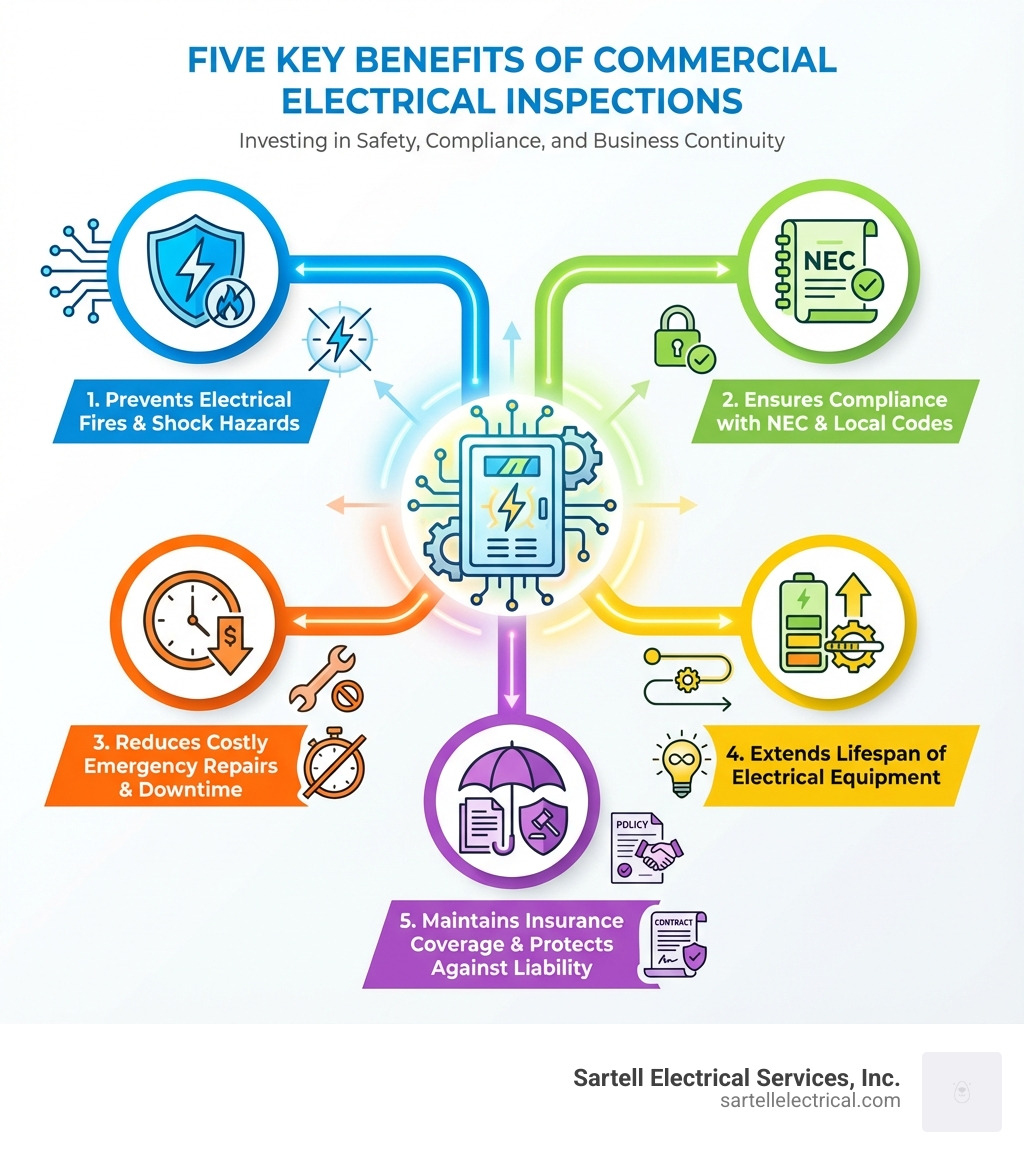
commercial electrical inspections are more than just a regulatory hurdle; they are a cornerstone of responsible business management. They offer a multitude of benefits that directly impact your bottom line and the well-being of your employees and customers:
- Ensuring Occupant Safety: This is the most critical benefit. Inspections help identify and rectify potential hazards like faulty wiring, exposed conductors, or overloaded circuits that could cause electrical fires or shocks, thus protecting everyone in your building.
- Fire Prevention: Electrical problems are a leading cause of commercial fires. By identifying issues such as damaged insulation, loose connections, or incorrect wire sizing, inspections drastically reduce the risk of fire.
- Shock Risk Reduction: Grounding and bonding issues, or unaddressed faults, can lead to dangerous electrical shocks. Inspections ensure these protective measures are intact and functioning.
- Maintaining Operational Continuity: Unexpected electrical failures can bring your business to a grinding halt, leading to significant downtime and lost revenue. Regular checks help us catch and fix problems before they cause outages.
- Extending Equipment Lifespan: A stable, well-maintained electrical system prevents undue stress on your equipment, from computers to heavy machinery, prolonging their operational life and reducing replacement costs.
- Energy Efficiency: Inspections can uncover inefficiencies, such as outdated lighting systems or overloaded circuits that draw excessive power. Addressing these can lead to substantial savings on your energy bills.
Adhering to Safety Standards and Regulations
Compliance is non-negotiable for commercial properties in Massachusetts. Local and national regulations mandate regular
commercial electrical inspections to ensure adherence to critical safety standards.
- Compliance with the National Electrical Code (NEC): The NEC is the benchmark for electrical safety in the United States, outlining guidelines that all electrical systems must follow. Our inspections evaluate your electrical work against the latest NEC standards.
- Local Building Codes: In addition to the NEC, every city and town in Massachusetts, including areas like Boston, Cambridge, Waltham, and Peabody, has specific local building codes and ordinances that commercial electrical systems must satisfy. We ensure your business meets these precise requirements.
- Avoiding Fines and Penalties: Failing to comply with electrical regulations can result in significant fines, penalties, or even business shutdowns by local authorities. These consequences can be far more costly than a routine inspection.
- Legal Liability Protection: In the unfortunate event of an electrical accident, demonstrating a history of regular inspections and compliance can protect your business from legal liabilities and potential lawsuits.
- Insurance Requirements: Many insurance providers require proof of regular Electrical Safety Checks to maintain your policy coverage, especially for claims related to electrical issues. Without proper documentation, your insurance claim could be denied.
The Inspector's Checklist: Key Areas Under Review
When our licensed electricians conduct a
commercial electrical inspection, we don't just glance at a few outlets. It's a systematic and thorough process designed to uncover any potential issues. We often use a detailed checklist to ensure no component is overlooked, providing a comprehensive assessment of your entire electrical system.

Core Components of a Commercial Electrical Inspection
During an inspection, our team will carefully examine several key areas:
- Electrical Service and Main Panel: This is the heart of your electrical system. We'll check the condition of the main service entrance, the panel's physical integrity, proper labeling of circuits, overcurrent protection devices (breakers and fuses), and ensure adequate working space and clearances around the panel (typically a minimum of 30 inches wide, 36 inches deep, and 78 inches high). We also verify the proper closure of any unused openings in the panel.
- Wiring methods and condition: We inspect all visible wiring for signs of damage, fraying, deterioration of insulation, proper support, and correct sizing for the load it carries. This includes identifying any hazardous aluminum branch-circuit wiring if present, which may require specific remediation.
- Overcurrent protection (breakers and fuses): We verify that breakers and fuses are correctly rated for their circuits and test their functionality to ensure they trip properly in case of an overload or fault.
- GFCI and AFCI protection: Ground Fault Circuit Interrupters (GFCIs) and Arc Fault Circuit Interrupters (AFCIs) are crucial safety devices. We test their operation in all required locations, such as wet areas (kitchens, bathrooms), outdoor receptacles, and living spaces, to prevent shocks and fires.
- Labeling and signage: Clear and accurate labeling of panels and circuits is vital for safety during maintenance or emergencies. We ensure all circuits are correctly identified.
- Working space and clearances: Proper clearances around all electrical equipment are essential for safe access during maintenance and troubleshooting.
Specialized Equipment and Systems
Commercial properties often house complex and specialized electrical systems that require specific attention during an inspection:
- HVAC electrical components: The electrical supply, controls, and safety mechanisms for heating, ventilation, and air conditioning systems are thoroughly checked.
- Fire alarm systems: While the fire alarm system itself may have separate inspection requirements, we assess its electrical connections and power supply to ensure reliability.
- Security and low-voltage systems: We examine the power sources and wiring for security cameras, access control, intercoms, and other low-voltage systems.
- Transformers: Many commercial buildings use transformers to step down or step up voltage for various applications. We inspect their condition, connections, and ensure appropriate working space.
- Backup generators: If your business relies on a backup generator, we'll check its electrical connections, transfer switch, and ensure it can seamlessly provide power during an outage.
- Emergency lighting and exit signs: These critical life safety systems must have reliable power and function correctly during power failures.
Our
Commercial Electrical System Maintenance services can help keep these specialized systems running smoothly year-round.
The Commercial Electrical Inspections Process: From Scheduling to Sign-Off
Understanding the typical process for a
commercial electrical inspection can help you prepare and ensure a smooth experience. Our approach is designed to be systematic, transparent, and minimally disruptive to your business operations.
How to Prepare for an Inspection
A little preparation can go a long way in making your electrical inspection efficient and effective:
- Reviewing your electrical system: Before we arrive, take a moment to consider any issues you've noticed—flickering lights, frequently tripped breakers, unusual buzzing sounds, or burning odors. These insights can help guide our inspection.
- Clearing access to panels and equipment: Ensure all electrical panels, subpanels, junction boxes, and major electrical equipment are easily accessible. Move any storage, furniture, or obstructions that might impede our access.
- Gathering documentation: If available, compile any previous inspection reports, electrical diagrams, permits for recent electrical work, or maintenance logs. This historical data provides valuable context.
- Notifying tenants or staff: Inform your employees or tenants about the upcoming inspection to minimize surprises and ensure cooperation, especially if certain areas need to be temporarily de-energized or accessed.
- Being prepared for potential costs: While an inspection is an investment in safety, it may reveal issues that require repairs or upgrades. Budgeting for potential corrective actions can help you address problems promptly.
For businesses undergoing new construction or major renovations, early
Electrical Pre-Construction Planning can integrate inspection requirements from the outset, ensuring compliance and efficiency.
Understanding the Inspection Report
After our team completes the on-site evaluation, you'll receive a detailed
Electrical Inspection Report. This crucial document is your blueprint for understanding the health of your electrical system.
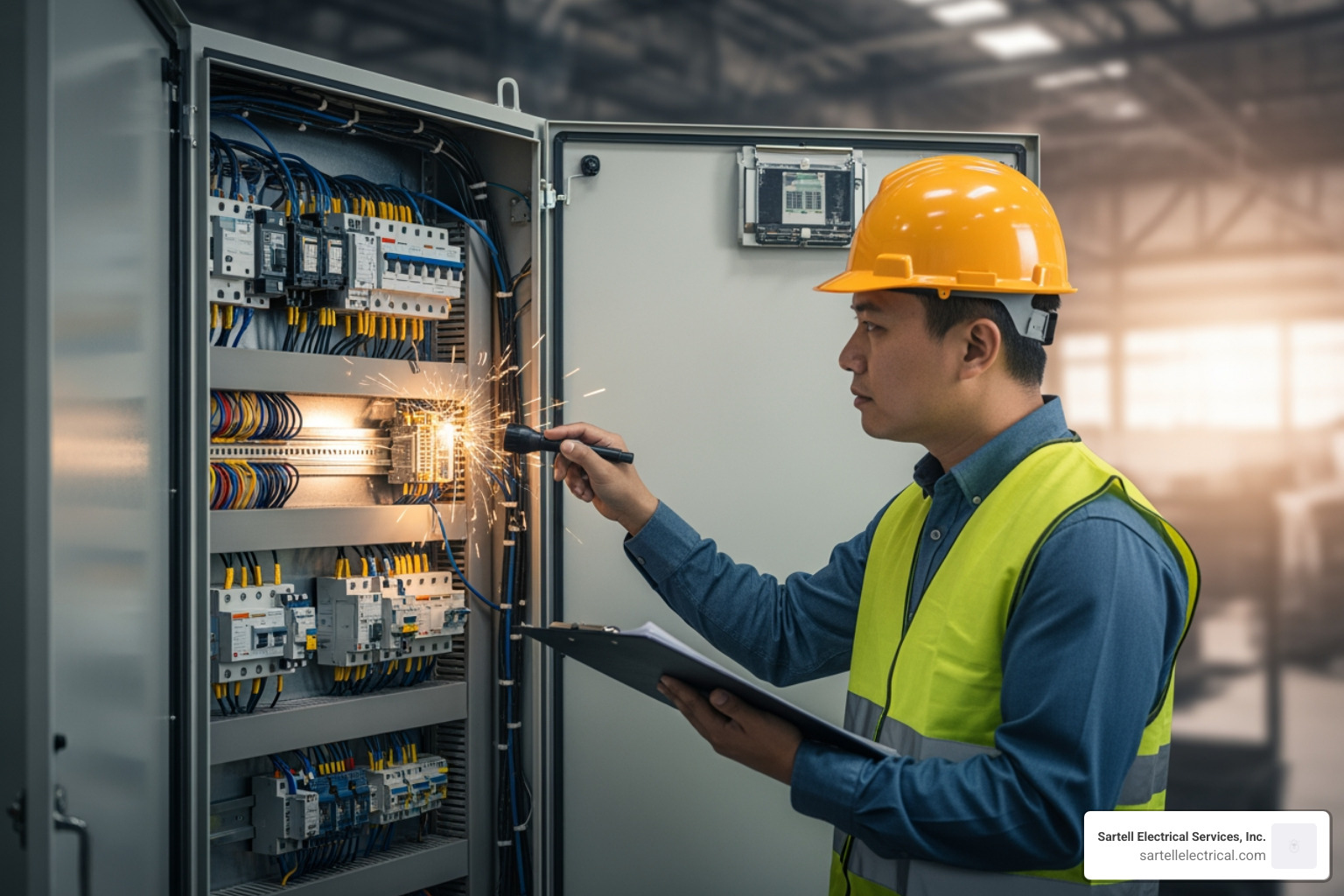
A comprehensive report will include:
- Documentation of findings: A clear overview of the electrical system's current condition.
- List of deficiencies and code violations: Specific identification of any issues that fail to meet NEC or local Massachusetts codes, categorized by severity.
- Recommendations for repairs or upgrades: Expert advice on how to address identified problems, ranging from minor fixes to major system improvements.
- Compliance status: An assessment of whether your system is fully compliant, compliant with suggested upgrades, or non-compliant and requiring immediate action.
- Photographic evidence: Often, photos are included to visually illustrate the issues found, making them easier to understand.
- Timeline for corrective actions: Guidance on the urgency of repairs, helping you prioritize safety and compliance.
This report serves as a vital record for your business, useful for insurance purposes, future maintenance planning, and demonstrating due diligence.
Frequency, Compliance, and Consequences
The question of "how often" is critical for
commercial electrical inspections. While specific regulations can vary, there are general best practices and clear triggers that necessitate an immediate inspection. Ignoring these can lead to severe consequences for your business.
How Often to Schedule Inspections
The frequency of
commercial electrical inspections depends on several factors, including the age, condition, and usage of your building.
- General recommendation: at least annually. Every business in Massachusetts should aim for at least one annual commercial electrical inspection to ensure optimal safety and performance. This proactive approach helps identify minor issues before they become major problems.
- High-risk environments: semi-annually. Businesses in high-risk environments, such as manufacturing facilities, healthcare buildings, or properties with heavy electrical loads (common in industrial settings across Massachusetts), may benefit from semi-annual evaluations.
- Properties over 5 years old: Older electrical systems are more prone to wear and tear and may not meet current code standards, warranting more frequent checks.
- Triggers for immediate inspection: Certain events or signs warrant an immediate inspection, regardless of your last scheduled check:
- Renovations or expansions: Any significant changes to your building's layout or function require an electrical assessment.
- Adding new equipment: If you install new machinery or equipment that significantly increases your electrical load, an inspection is crucial.
- Electrical incidents: Power outages, flickering lights, burning odors, visible sparks, or unusual buzzing sounds all signal an immediate need for professional evaluation.
- Property sale or insurance renewal: Inspections are often required as part of due diligence for property transactions or to satisfy insurance policy requirements.
Regular
Electrical Condition Monitoring helps maintain peak performance and preemptively address potential issues.
Common Violations and Corrective Actions
During
commercial electrical inspections, our team frequently encounters a range of common issues. Identifying and addressing these promptly is crucial for safety and compliance:
- Overloaded circuits: This is a frequent culprit behind tripped breakers and can lead to overheating, which is a fire hazard. Our inspections identify circuits drawing too much power, and we recommend balancing loads or upgrading circuits.
- Outdated wiring: Older buildings, especially in historic areas of Massachusetts, may have wiring that is frayed, damaged, or simply insufficient for modern electrical demands. This often requires partial or complete rewiring.
- Improper grounding: A faulty or absent grounding system is a serious safety hazard, increasing the risk of electrical shock. We ensure your grounding and bonding systems are correctly installed and functional.
- Unfilled panel openings: Missing blanks in electrical panels expose live wires, creating a direct shock and fire risk. These must be properly covered.
- Incorrect labeling: Illegible or inaccurate circuit labeling makes troubleshooting difficult and can be dangerous during emergencies. We ensure all panels are clearly and correctly labeled.
Addressing these issues requires the expertise of a qualified electrician. As a leading
Commercial Electrical Contractor Boston MA, our team at Sartell Electrical Services is equipped to handle all necessary repairs and upgrades, bringing your system up to code and ensuring the safety of your business.
The Role of the Master Electrician
When it comes to
commercial electrical inspections, not all electricians are created equal. The complexity of commercial electrical systems demands a higher level of expertise, making the role of a master electrician absolutely critical.
A master electrician represents the highest level of certification in the electrical trade. This esteemed title isn't easily earned; it typically requires extensive education, years of hands-on experience as a journeyman electrician, and passing a rigorous examination. This comprehensive background equips them with:
- Advanced knowledge of electrical codes: Master electricians possess an in-depth understanding of the National Electrical Code (NEC) and all local Massachusetts electrical regulations.
- Authority to pull permits: In many jurisdictions, only a master electrician is authorized to pull electrical permits, ensuring that all work is officially sanctioned and inspected.
- Supervising other electricians: They are qualified to supervise and train other electricians, ensuring that all work performed meets the highest standards.
- Troubleshooting complex systems: Their extensive experience allows them to diagnose and resolve intricate electrical problems that might baffle less experienced professionals.
- Ensuring quality and safety: A master electrician is responsible for the overall quality, safety, and compliance of any electrical work they oversee.
Why a Master Electrician is Essential for Commercial Inspections
For your
commercial electrical inspection, partnering with a master electrician from a trusted firm like Sartell Electrical Services offers unparalleled benefits:
- Expertise in complex commercial systems: Commercial buildings in Massachusetts, from retail facilities to industrial warehouses, have unique electrical demands. A master electrician understands these higher loads, complex distribution systems, and specialized equipment requirements.
- In-depth code compliance checks: They don't just check for obvious faults; they carefully ensure every aspect of your system adheres to the latest NEC and local Massachusetts electrical codes, preventing costly non-compliance issues.
- Accurate load calculations: Master electricians can accurately assess your current electrical load and determine if your system has sufficient capacity, or if upgrades are needed to support new equipment or future growth.
- Overseeing emergency system testing: They ensure critical life safety systems like emergency lighting, exit signs, and backup generators are correctly wired, functional, and ready to perform in an emergency.
- Providing authoritative documentation: The inspection report from a master electrician carries significant weight, offering clear, professional documentation for insurance, regulatory bodies, and future maintenance planning.
Our team of
Commercial Electricians includes skilled master electricians dedicated to delivering the highest standard of service, ensuring your business's electrical systems are safe, efficient, and compliant.
Frequently Asked Questions about Commercial Electrical Inspections
We understand that business owners often have questions about
commercial electrical inspections. Here are answers to some of the most common inquiries we receive:
What are the consequences of failing an electrical inspection?
Failing a
commercial electrical inspection can have serious and far-reaching consequences for your business in Massachusetts. Initially, you will receive a detailed report outlining all identified deficiencies and code violations. You'll then be required to undertake corrective actions, which must be completed by a licensed electrician and often followed by a re-inspection.
Beyond the immediate need for repairs, failing an inspection can lead to:
- Fines and legal penalties: Local authorities can impose significant financial penalties for non-compliance.
- Business shutdowns: In cases of severe safety hazards, authorities may order a temporary or permanent shutdown of your operations until all issues are resolved.
- Voided insurance policies: Many insurance companies require proof of regular electrical inspections. A failed inspection, or a lack of inspection history, could void your policy, leaving you uninsured in the event of an electrical fire or accident.
- Significant liability: If an electrical accident occurs due to an unaddressed issue identified in an inspection (or that should have been identified by a regular inspection), your business could face substantial legal liability, including lawsuits from injured employees or customers.
What documentation is provided after an inspection?
After a comprehensive
commercial electrical inspection, you will receive a detailed Electrical Inspection Report (EIR). This is a critical document for your business's records. It typically includes:
- An overview of the electrical system’s condition: A summary of the overall health and integrity of your electrical infrastructure.
- Identification of any issues or deficiencies: A clear list of all code violations, safety hazards, or malfunctioning components found.
- Photographic evidence: Often, photos are included to visually document the identified problems.
- Recommendations for repairs or upgrades: Expert advice on the necessary steps to bring your system into compliance and improve its performance.
- Compliance status: An assessment of whether your system meets current codes, requires minor upgrades for improved safety, or is non-compliant and needs urgent attention.
- Conclusion and next steps: A summary of the findings and guidance on how to proceed with corrective actions, including any required timelines.
This report serves as official proof of your electrical system's condition and your commitment to safety and compliance.
How much does a commercial electrical inspection cost?
The cost of a
commercial electrical inspection is not a one-size-fits-all figure. It varies significantly based on several factors:
- Size and complexity of the property: Larger buildings with more intricate electrical systems (e.g., multi-story offices, industrial facilities) will naturally require more time and effort, increasing the cost.
- Age of the electrical system: Older systems often demand a more thorough investigation to assess outdated components, wiring integrity, and compliance with current codes.
- Scope of the inspection: A basic visual inspection will cost less than a comprehensive evaluation that includes in-depth testing, load calculations, and specialized system checks.
- Location: Costs can vary slightly depending on the specific city or town within Massachusetts.
Given these variables, it's always best to obtain a direct, customized quote from a qualified electrical contractor like Sartell Electrical Services. We provide transparent pricing after assessing your specific needs, ensuring you understand the investment required for your business's safety and compliance.
Conclusion: Safeguarding Your Business with Proactive Inspections
In the demanding commercial landscape of Massachusetts, the integrity of your electrical system is not just a convenience—it's a fundamental pillar of your business's safety, operational continuity, and financial stability. As we've explored,
commercial electrical inspections are an indispensable tool for identifying potential hazards, ensuring regulatory compliance, and preventing costly disruptions.
Choosing a proactive approach to electrical maintenance, rather than reacting to emergencies, offers numerous benefits:
- Improved Safety: Protecting your employees, customers, and property from electrical fires and shocks.
- Guaranteed Compliance: Avoiding hefty fines, penalties, and legal liabilities by adhering to the National Electrical Code and local Massachusetts regulations.
- Significant Cost-Savings: Catching minor issues before they escalate into expensive repairs or lead to extensive downtime.
- Operational Continuity: Minimizing unexpected power failures that can halt productivity and impact your bottom line.
- Peace of Mind: Knowing that your electrical infrastructure is robust, safe, and efficiently supporting your business goals.
At Sartell Electrical Services, Inc., we pride ourselves on our commitment to excellence, leadership, and customer service. With over 30 years of experience serving businesses across Massachusetts, including Boston, Cambridge, Woburn, and beyond, our team of licensed and master electricians is dedicated to providing comprehensive and reliable
commercial electrical inspections. We understand the unique challenges faced by businesses in our community and offer custom solutions to ensure your electrical systems are not just functional, but truly safe and efficient.
Don't wait for a flicker to become a full-blown blackout. Invest in the longevity and safety of your business today.
Contact us for comprehensive commercial electrical services and let us help you safeguard your most valuable assets.