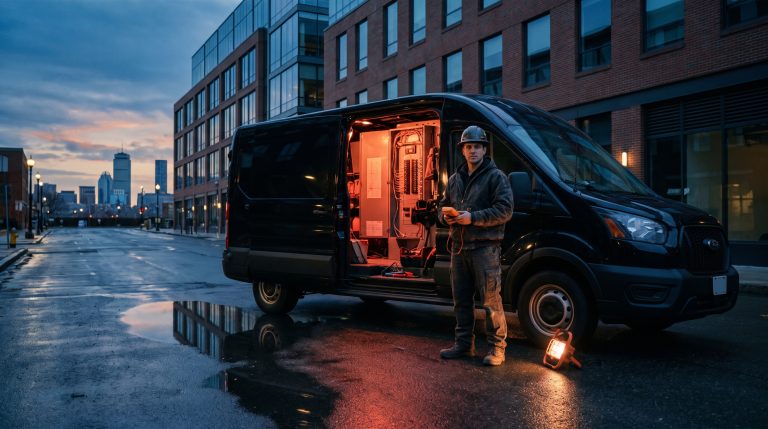
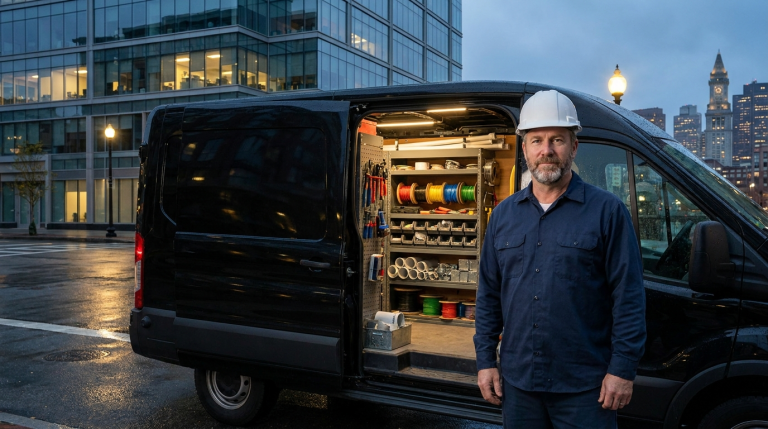
Residential Electrical Services: 5 Safe Steps
Why Professional Residential Electrical Services Are Essential for Your Home
Residential electrical services cover all electrical work in a home, from simple repairs to complex system upgrades. Professional electricians handle troubleshooting, installations of circuits, outlets, and lighting, and modern upgrades like EV chargers.
Common residential electrical services include:
- Panel upgrades and installations ($1,000-$3,500)
- Whole-house rewiring ($3,000-$8,000+)
- Lighting installations and upgrades
- Outlet and switch installations
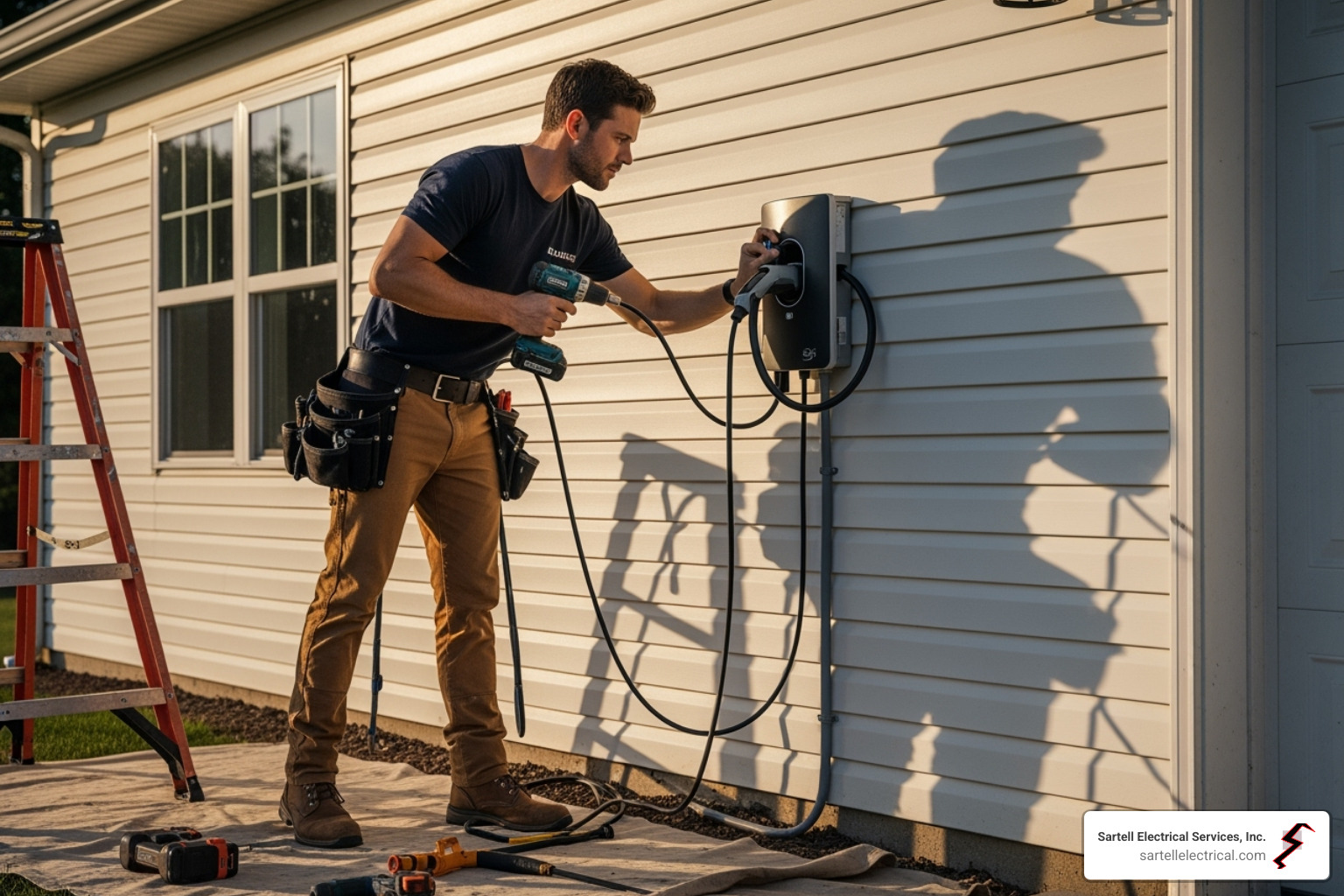
- EV charger installations ($500-$1,500)
- Surge protection systems ($300-$700)
- Electrical repairs and troubleshooting
- Smart home device integration
- GFCI and AFCI installations
Your home's electrical system is complex, and as one industry expert notes, "Even the slightest mistake during installation can cause a short circuit, a fire, or even electrocution!" This is critical as modern homes demand more power than older systems can provide. With
65% of Americans now owning at least one smart device and the rise of electric vehicles, your system must safely support high-powered appliances and automation. Many homes still have outdated wiring or panels that can't meet these demands.
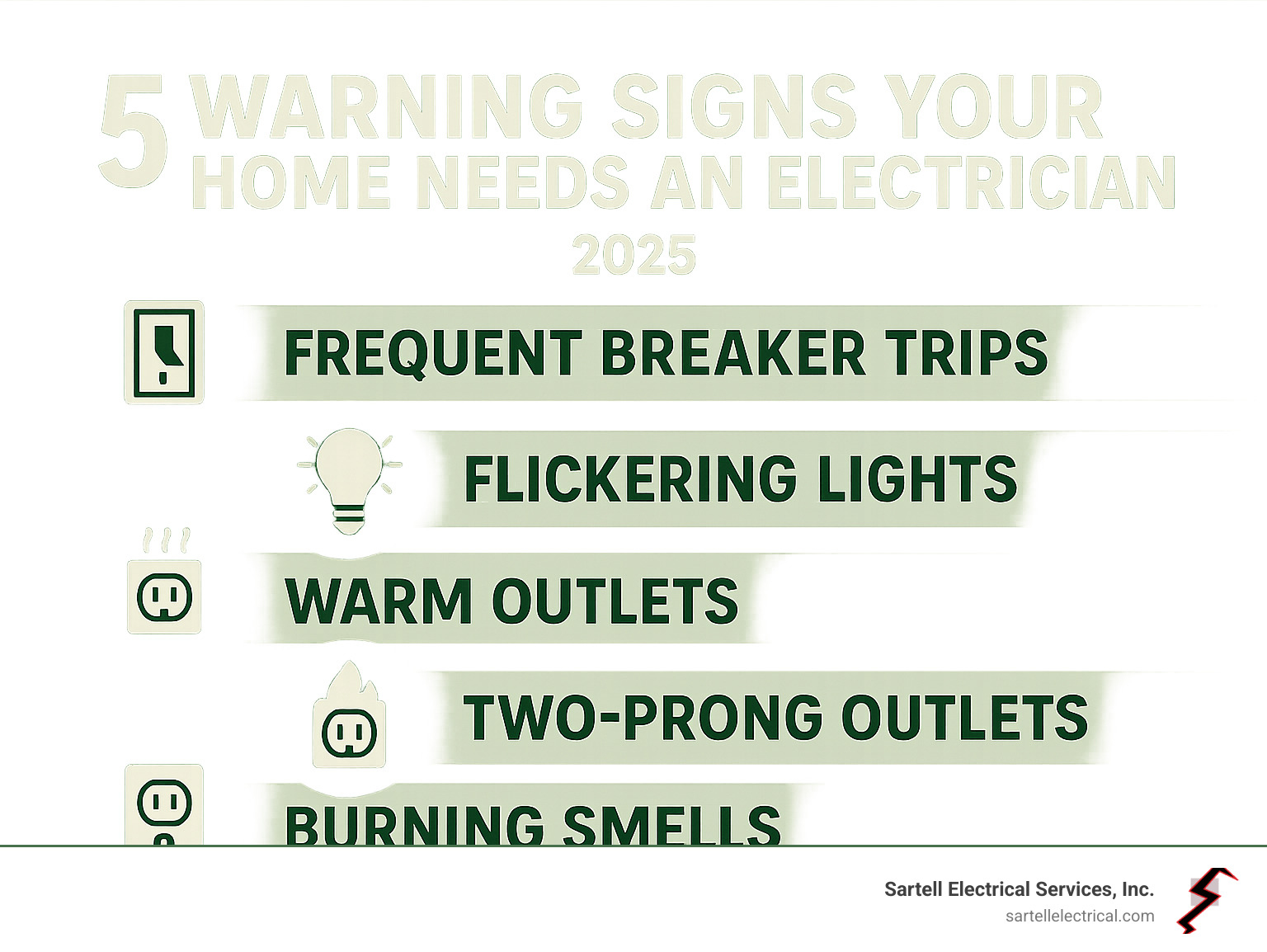
Warning signs you need professional help include:
- Frequently tripping circuit breakers
- Flickering or dimming lights
- Outlets that feel warm or show scorch marks
- Two-prong outlets without grounding
- Burning smells from outlets or panels
- Sparks when plugging in devices
I'm Ed Sartell, President of Sartell Electrical Services. Since 1985, I've provided
residential electrical services across Massachusetts. With nearly four decades of experience, I know the importance of getting electrical work done safely and correctly the first time.
 Residential electrical services
 terms to remember:
Recognizing the Signs: When to Call an Electrician
Ignoring electrical problems can be dangerous. Knowing when to call for professional
residential electrical services is about keeping your family safe.
 Flickering lights
 throughout your home, especially when a major appliance turns on, can signal loose connections or an overloaded electrical panel.
Circuit breakers that trip frequently are a clear sign your system can't handle its electrical load. A breaker is a safety device, and if it trips constantly, it's warning you of a problem.
Your senses can also detect danger. A
burning smell from an outlet or panel means wires are overheating and requires an immediate call.
Buzzing or crackling sounds from switches or outlets indicate loose wiring.
Older homes face unique risks.
Aluminum wiring (common in the 1960s-70s) and
knob-and-tube wiring (pre-1940s) can degrade and become fire hazards. Another safety issue is the lack of
GFCI outlets in wet areas like kitchens and bathrooms, which protect against shock. We offer
Ground Fault Repair to address these issues.
Telltale Signs of an Outdated or Unsafe System
Other warning signs require a close look.
Discolored outlets with scorch marks,
sparks when plugging in devices, or
mild shocks from appliances are serious issues. Constant reliance on
extension cords points to an insufficient number of outlets and overloaded circuits.
Two-prong outlets lack grounding, a modern safety essential, and
frayed wiring is an immediate shock and fire risk that needs professional attention.
Electrical Needs of Modern Homes vs. Older Homes
Today's homes are more power-hungry than ever. The
increased power demand from AC, multiple appliances, computers, and smart home devices can overwhelm older systems. The smart home market is now worth an estimated $40 billion, and devices like smart thermostats, cameras, and lighting add to the electrical load.
Many homeowners are also installing
EV chargers and creating dedicated
home offices. Most older homes were built with
60-amp electrical service, while today's homes typically need
100-200 amp service. If your home still runs on an older, smaller service, those frequent breaker trips are a sign of danger. This is where
Residential Electrical Upgrades become essential for safety and reliability.
Understanding Common Residential Electrical Services
Professional
residential electrical services are comprehensive, covering everything from emergency repairs to major upgrades that modernize your home. Your electrical system is the nervous system of your house, and it needs to be safe and efficient.
 Panel upgrades
 are a foundational project, especially if you have an old fuse box or an outdated breaker panel. A new panel, typically costing
$1,000 to $3,500, ensures your home can handle today's power demands. For homes with dangerous aluminum or knob-and-tube wiring,
whole-house rewiring is essential. While a significant investment at
$3,000 to $8,000+, it eliminates serious fire risks.
Other common services include:
- Lighting installation: Transform your home's ambiance with recessed, landscape, or smart lighting.
- EV charger installation: A dedicated home charging station offers convenience for electric vehicle owners.
- Surge protection: A whole-house system ($300-$700) protects all your electronics and appliances from power surges.
- Smart home integration: Bring your home into the 21st century with automated devices.
- General repairs: Most typical repairs, like fixing an outlet, cost between $150 and $350.
Essential Upgrades and Modernization
Certain upgrades are critical for safety and modern living.
Electrical panel upgrades are vital if your home is older or can't keep up with power needs. Modern homes require 100-200 amp service, far more than the 60-amp service in many older houses. A
whole-house surge protector is another key investment, guarding hard-wired appliances that power strips can't protect.
Modernization often involves
EV chargers and
smart home automation. An EV charger, typically
$500 to $1,500 to install, adds convenience and home value. Smart devices, part of a
$40 billion market, improve energy efficiency, security, and comfort. Professional installation of these systems, including features like
Dimmer Switch Wiring, ensures they integrate seamlessly and safely with your electrical system. For all these upgrades, working with a
Licensed Home Electrician is crucial.
The Hiring Process: Finding a Qualified Professional
Choosing the right electrician for your
residential electrical services is a critical decision. Hiring an unlicensed individual can put your family at risk. Following a few key steps can help you find a true professional.

The first step is
licensing and insurance verification. A state license proves an electrician has met rigorous training standards. Ask for their license number and verify it with the state. Equally important is proof of both general liability and workers' compensation insurance. Without it, you could be liable for damages or injuries.
Always
get multiple quotes to compare professionalism and the thoroughness of the assessment, not just the price. A quality contractor provides a detailed written estimate. For significant work,
permits and inspections are required by law. A professional handles this process; anyone suggesting you skip it is a major red flag. Finally,
read reviews and check references to understand an electrician's track record with communication and quality.
Why You Must Hire a Licensed and Insured Electrician
Electrical work is not the place to cut corners.
Licensed electricians understand safety standards and the
National Electrical Code (NEC), which is updated regularly to prevent fires and electrocution. They carry
liability protection through their insurance, protecting you from financial risk if something goes wrong. Reputable electricians also provide
quality guarantees or warranties on their work. Hiring a professional provides
peace of mind and helps you avoid the serious safety and financial risks of DIY work, which can also void your homeowner's insurance. Always look for
Licensed Residential Electricians Near Me instead of taking shortcuts.
Your Checklist for Vetting an Electrician
When interviewing potential electricians, use this checklist:
- Credentials: Ask, "Are you licensed and insured?" and verify their license number and insurance certificates.
- Written Estimates: Demand a detailed written quote breaking down all costs. Verbal estimates are not binding.
- Relevant Experience: Discuss their experience with your specific type of project.
- Permit Process: Ask who handles permits and inspections. The answer should always be the contractor.
- Warranty: Clarify their warranty policy on both labor and parts and get it in writing.
- References: Request and contact references from recent, similar projects.
- Unexpected Issues: Ask how they handle unforeseen problems and change orders.
- Payment Terms: Review payment terms. Be wary of large upfront payments or cash-only demands.
Residential vs. Commercial Electrical Systems: What's the Difference?
While they both deliver power,
residential and commercial electrical systems are fundamentally different, built for vastly different purposes and loads.
The primary difference is the type of power. Homes use a
single-phase power system (two hot wires, one neutral), which is ideal for standard appliances. Commercial buildings often use a
three-phase power system (three hot wires, one neutral) to efficiently run heavy machinery and large HVAC systems.
The
voltage levels also differ. A home uses 120V for most outlets and 240V for large appliances. Commercial buildings may require up to 600V. This means the
electrical load capacity is much higher in commercial settings (200-1000+ amps) compared to a home (100-200 amps). Consequently, commercial
wiring systems are far more complex, and the
safety codes are stricter. You can learn
More on single-phase vs. three-phase power for technical details. We specialize in both
Residential and Commercial Electrical Systems.
Power, Voltage, and Load Distinctions
- Residential Systems: Use 120/240V split-phase wiring. The 120V powers everyday devices, while 240V circuits handle heavy-duty appliances like dryers and central air. Service is typically 100-200 amps.
- Commercial Systems: Can use up to 600V to power industrial machinery and massive HVAC units. Service capacity is much higher, often 200-1000+ amps, to support entire facilities.
Why Specialization in residential electrical services Matters
Different electrical environments require different expertise. Here's why specialization in
residential electrical services is important for homeowners:
- Different Skill Sets: Residential electricians are experts at working in finished homes, fishing wires through walls with minimal disruption.
- Unique Tools: They use specialized tools designed for working in tight spaces and minimizing dust and noise.
- Residential Building Codes: They have a deep understanding of the specific codes governing home electrical work, such as GFCI placement.
- Homeowner Safety: Their focus is on the unique safety needs of a family home, including child and pet safety.
- Aesthetic Considerations: They know how to place fixtures, switches, and outlets to complement your home's design.
Our team at
Residential and Commercial Electrical Services understands that each setting requires a specialized approach to deliver the best results.
Frequently Asked Questions about Residential Electrical Services
Homeowners often have similar questions about
residential electrical services. Here are answers to the most common ones.

How much does a typical electrical repair cost?
For most basic electrical repairs, such as fixing a dead outlet or faulty switch, homeowners can expect to pay an
average cost of $150 to $350. The final price depends on the
complexity of the job and the
materials needed. A simple outlet replacement is straightforward, but troubleshooting a circuit that keeps tripping takes more time and can increase the cost. We always provide upfront estimates so you know the cost before we begin work.
How can I make my home's electrical system more energy-efficient?
Improving energy efficiency can significantly lower your electricity bills. Here are some effective upgrades:
- LED Lighting: LEDs use about 75% less energy and last up to 25 times longer than incandescent bulbs.
- Dimmer Switches: Dimmers reduce energy consumption and extend bulb life while allowing you to control ambiance.
- Smart Thermostats: These devices learn your schedule and adjust temperatures automatically, preventing wasted energy.
- Modern Panel: Ensure your electrical panel can support modern, high-efficiency appliances to get their full benefit.
- Seal Air Leaks: Adding foam gaskets to seal small drafts around outlets and switch plates can reduce energy loss.
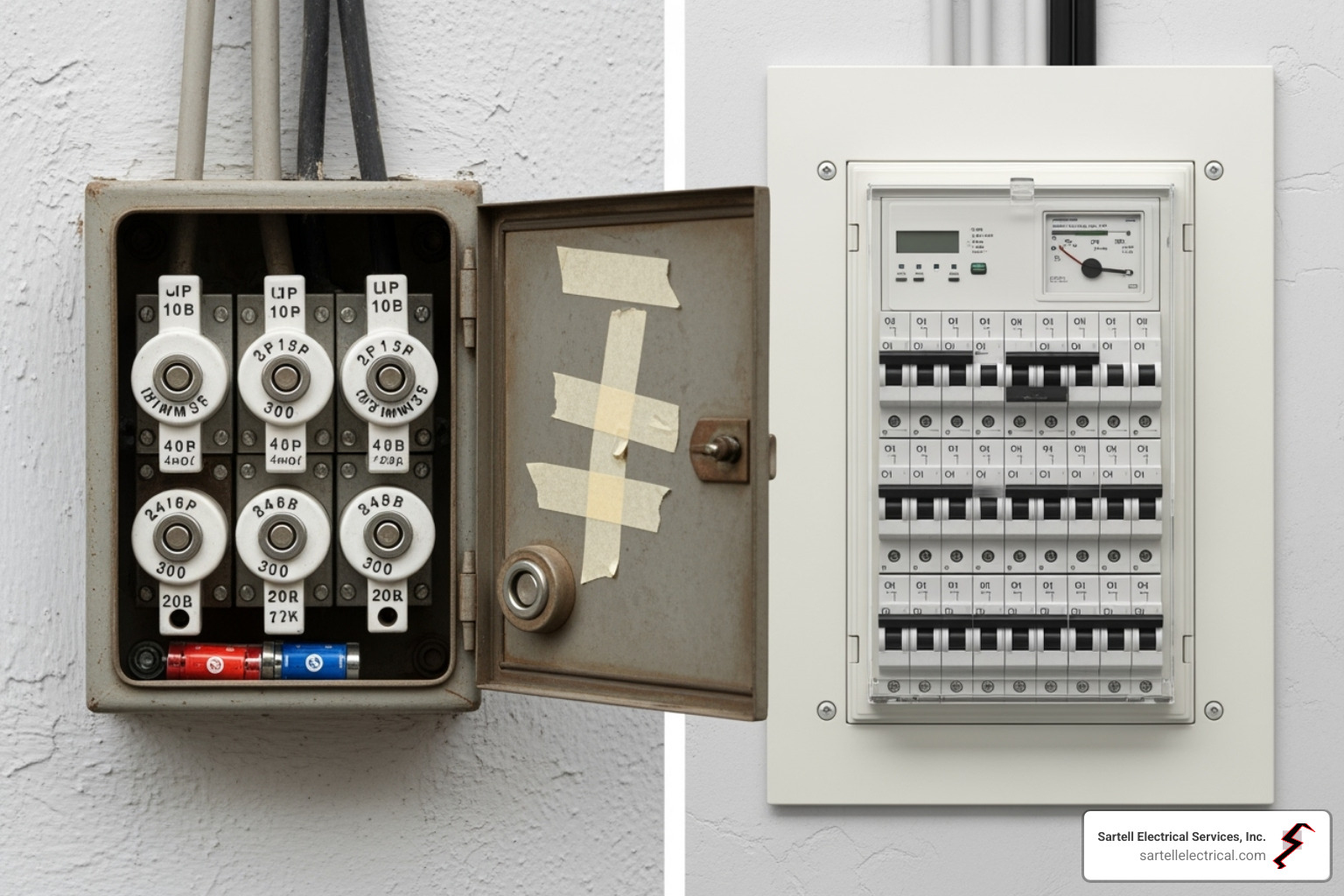
How do I know if my electrical panel needs an upgrade?
Your electrical panel is the heart of your system. It may need an upgrade if:
- Your home is over 25 years old and has its original panel.
- You still have a fuse box, which cannot handle modern electrical loads safely.
- Your circuit breakers trip frequently, indicating overloaded circuits.
- You are planning major additions like an EV charger, hot tub, or central air conditioning.
- You see signs of corrosion or burning on or around the panel. These are immediate fire hazards.
- You have a Zinsco or Federal Pacific panel. These brands have known safety defects and should be replaced. Call a professional immediately if you have one.
Your Next Steps to a Safer, More Reliable Home
Your home's electrical system is the foundation for your daily life and safety.
Electrical safety isn't a convenience—it's about protecting your family and property.
We've covered the key
warning signs that indicate your system needs attention, from flickering lights to tripping breakers. We've also seen how modern demands from smart devices and EVs require robust electrical systems. The most important takeaway is that electrical work is not a DIY project. The risks of fire, shock, and property damage are too high. Hiring a licensed and insured electrician ensures the work is done safely and to code, giving you peace of mind.
At
Sartell Electrical Services, we have helped Massachusetts homeowners create safer, more reliable homes for over 30 years. Our team serves communities throughout Essex, Middlesex, Norfolk, and Suffolk counties, understanding the unique electrical needs of New England homes.
Taking action now to address warning signs or plan for future needs is an investment in your family's safety and your home's value. Don't wait for a small problem to become a major hazard.
For comprehensive and professional electrical work, explore our
Residential Electrical Services to ensure your home is safe and up to code.