Medically essential electric service: Secure 2025
Why Medically Essential Electric Service is Critical for Patient Safety
Medically essential electric service is a utility program that provides special protections and advance notifications for customers who depend on electricity to power life-sustaining medical equipment. Here's what you need to know:
Key Benefits:
- Advanced notice before planned power outages (24-48 hours typically)
- Extended time to pay bills before disconnection (up to 30 additional days)
- Referrals to social service agencies for financial assistance
- Special notifications during emergencies like hurricanes
Who Qualifies:
- Customers with physician-certified medical dependency on electric equipment
- Life-sustaining devices (ventilators, dialysis machines, oxygen concentrators)
- Equipment preventing hospitalization or serious medical complications
- No income requirements - based solely on medical necessity
Your Responsibilities:
- Maintain backup power plans and equipment
- Pay utility bills (program doesn't exempt payment)
- Renew certification annually
- Notify utility when equipment is no longer needed
For every 100,000 people living in private residences, about
218 depend on electricity for life-supporting medical needs. This isn't just about convenience - it's about survival. When medical equipment stops working due to power loss, patients face immediate health risks that can lead to hospitalization or worse.
The reality is stark: utilities cannot guarantee uninterrupted service, even for medically dependent customers. Weather events, equipment failures, and system maintenance all create unavoidable outages. That's why having reliable electrical systems and backup power solutions becomes critical for healthcare facilities and homes with medical equipment.
I'm Ed Sartell, and in my nearly four decades as an electrical contractor in Massachusetts, I've seen how
medically essential electric service programs can be lifesavers when paired with proper electrical planning and backup systems. My team at Sartell Electrical Services has helped countless healthcare facilities and residential clients ensure their critical electrical systems remain reliable when lives depend on them.
What is Medically Essential Electric Service?
Think of
medically essential electric service as a safety net that catches you when life gets complicated. These special programs, offered by utility companies across the country, recognize a simple truth: some people's lives literally depend on electricity flowing to their homes.
But let's clear up a common misconception right away. This isn't about getting free electricity or having some magical guarantee that your power will never go out. Instead, it's about getting the heads-up and extra time you need when problems arise.
State utility commissions oversee these programs to make sure vulnerable customers get fair treatment. They've created frameworks that give medically dependent customers protections that regular customers don't receive. The goal is simple: prevent medical emergencies that happen when people lose power unexpectedly.
Defining "Medically Essential"
So what makes electric service truly "medically essential"? It comes down to one critical question:
does someone's life or immediate health depend on electrically powered equipment running continuously?
This isn't something you can self-diagnose or decide on your own. A licensed physician must certify that without this equipment, you'd face life-threatening complications or immediate hospitalization. They need to document exactly why continuous operation is vital for your well-being.
The equipment must be
life-sustaining or prevent serious medical complications that would otherwise require emergency medical care. Your doctor plays the key role here, providing the medical certification that explains your specific needs. Regulatory definitions across different states consistently emphasize this critical link between the equipment and your immediate health.
It's not enough to say the equipment is helpful or convenient. It has to be essential for
avoiding hospitalization or preventing life-threatening situations.
Protections and Benefits Offered
When you enroll in a
medically essential electric service program, you open up several important protections designed specifically for people in your situation.
Advanced notice for planned outages is probably the most valuable benefit. Instead of finding out about a planned outage when your equipment suddenly stops working, you'll get 24 to 48 hours' notice. This gives you crucial time to charge backup batteries, arrange for a generator, or even temporarily relocate if necessary.
Extended notice for non-payment disconnection provides breathing room when money gets tight. While you still need to pay your electric bills, most utilities give you up to 30 extra days beyond the normal disconnection date. This means no surprise shut-offs while you're scrambling to find funds or set up a payment plan.
Many utilities also provide
referrals to social services when customers struggle with bills. These partnerships connect you with local organizations that might offer financial assistance or other support programs. Some utilities even have specially trained employees who act as advocates, helping identify resources you might not know about.
Payment arrangement opportunities become more flexible when you're enrolled in these programs. Utilities often work with medically dependent customers to create custom payment plans that fit their specific situations, helping prevent service interruptions due to past-due amounts.
Perhaps most importantly, these programs provide
peace of mind. Knowing your utility understands your medical needs and has protocols in place to support you reduces stress during an already challenging time. While we can't eliminate all risks, these protections significantly reduce uncertainty about your power supply.
This safety net works best when combined with your own backup power planning. The program gives you time and notice, but you still need to be prepared with batteries, generators, or alternative arrangements when outages do occur.
Eligibility and How to Qualify
The good news about
medically essential electric service is that qualifying is straightforward and accessible. If someone in your household depends on electricity to power life-sustaining medical equipment, you likely qualify - and here's the best part: there are typically
no income requirements. This program focuses purely on medical necessity, not your financial situation.

The basic eligibility criteria are refreshingly simple. You need to be a
residential customer with a
full-time resident who has a qualifying medical condition or uses qualifying medical equipment. That's it - no complex paperwork about your finances or lengthy approval processes based on income brackets.
Qualifying Medical Conditions and Devices
When we talk about qualifying equipment, we're focusing on devices that truly sustain life or prevent immediate hospitalization. This isn't about comfort or convenience - it's about survival.
The most common qualifying devices include
ventilators and respirators for breathing support,
oxygen concentrators for supplemental oxygen needs, and
dialysis machines that essentially replace kidney function.
Infusion pumps that deliver life-saving medications intravenously also qualify, as do
motorized wheelchairs for individuals whose mobility depends entirely on electric power.
CPAP and BiPAP machines for sleep apnea qualify because untreated sleep apnea can be life-threatening. More advanced cardiac devices like
Left Ventricular Assist Devices (LVADs) and
Total Artificial Hearts are obvious qualifiers since they literally keep hearts beating.
Some medical conditions require specific environmental controls to prevent life-threatening complications. Patients with compromised immune systems, Multiple Sclerosis, or Scleroderma may need
continuous heating or cooling to maintain safe body temperature and prevent medical emergencies.
It's worth noting that devices primarily used for therapy - like heating pads, humidifiers, or whirlpool pumps - generally don't qualify. The focus remains on equipment that directly sustains life or prevents immediate, serious medical complications. For a comprehensive understanding of what qualifies, you can check
examples of qualifying equipment from major utilities.
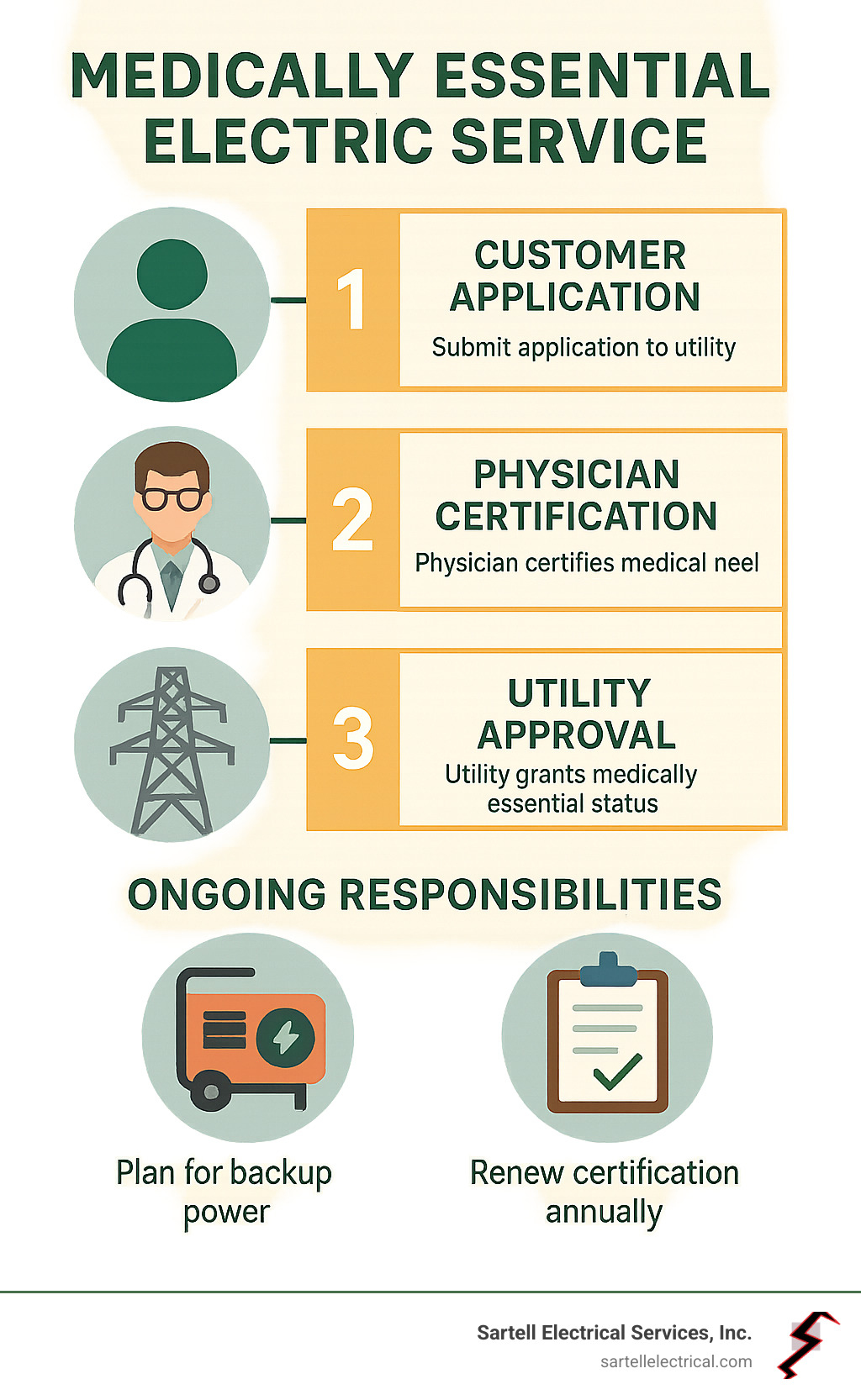
How to apply for medically essential electric service
Applying for
medically essential electric service is designed to be as simple as possible - because when you're dealing with life-sustaining equipment, bureaucracy should be the least of your worries.
The process starts with obtaining an application form from your utility company. Most utilities make these available for download on their websites, or you can request one by phone or mail. The application has two main parts that need completion.
Part A is your responsibility as the customer or guardian. You'll fill in your account information, contact details, and acknowledge that you understand the program's terms and your ongoing responsibilities. This section is straightforward - just basic information about your household and the medical equipment you depend on.
Part B requires physician certification - and this is the most critical piece. A licensed physician must complete and sign this section, certifying the medical necessity of your electric-powered equipment. Your doctor will detail your condition and explain exactly why continuous electric service is required to prevent loss of life or immediate hospitalization.
Once both sections are complete and signed, you'll submit the form to your utility. Most companies offer several convenient submission options: you can
mail the original form,
email a scanned PDF, or
fax it directly. Some utilities even offer online portals for electronic submission.
The processing timeline is typically quite reasonable. Most utilities aim to process applications within
5 to 7 business days, so you won't be left waiting and worrying. Just remember to submit your application within about 90 days of your physician's signature to ensure the certification remains current.
At Sartell Electrical Services, while we don't handle the application paperwork, we understand how crucial it is to have your home's electrical system ready to support any medical equipment safely and reliably. That's where our expertise in
healthcare electrical services in Boston MA becomes invaluable for ensuring your home can handle the electrical demands of life-sustaining equipment.
Your Responsibilities When Enrolled
Getting accepted into a
medically essential electric service program is just the beginning of your journey toward better protection. Think of it as joining a safety net that requires your active participation to work effectively. While these programs offer incredible peace of mind, they don't magically solve every power-related challenge you might face.
Let's be clear about what this program doesn't do: it
doesn't make your electricity free, and it
doesn't guarantee your power will never go out. You're still responsible for paying your monthly electric bills, even if you get extra time when money's tight. The program also expects you to let your utility know if your medical equipment is no longer needed - this helps them keep their records accurate and ensures other families can get the help they need.
The most important responsibility, though, is one that could literally save your life: having a solid backup power plan ready to go.
The Importance of a Backup Power Plan
Here's the hard truth - even the most reliable electric grid can fail. Storms knock down power lines, equipment breaks down, and sometimes utilities need to shut off power for maintenance. When you depend on electricity to keep medical equipment running, these outages aren't just inconvenient - they can be dangerous.
That's why
The ADA National Network advises having a plan for people who use devices like ventilators, oxygen concentrators, or power wheelchairs. Your backup plan is your lifeline when the grid lets you down.
Your backup power options might include
backup batteries for smaller devices that need to keep running,
portable power stations that can handle multiple pieces of equipment for several hours, or
generators for more extensive power needs. If you're looking at generator options, that's where my team at Sartell Electrical Services really shines. We've been helping Massachusetts families and healthcare facilities prepare for power outages for decades, including specialized work in areas like
healthcare electrical contractor boston ma.
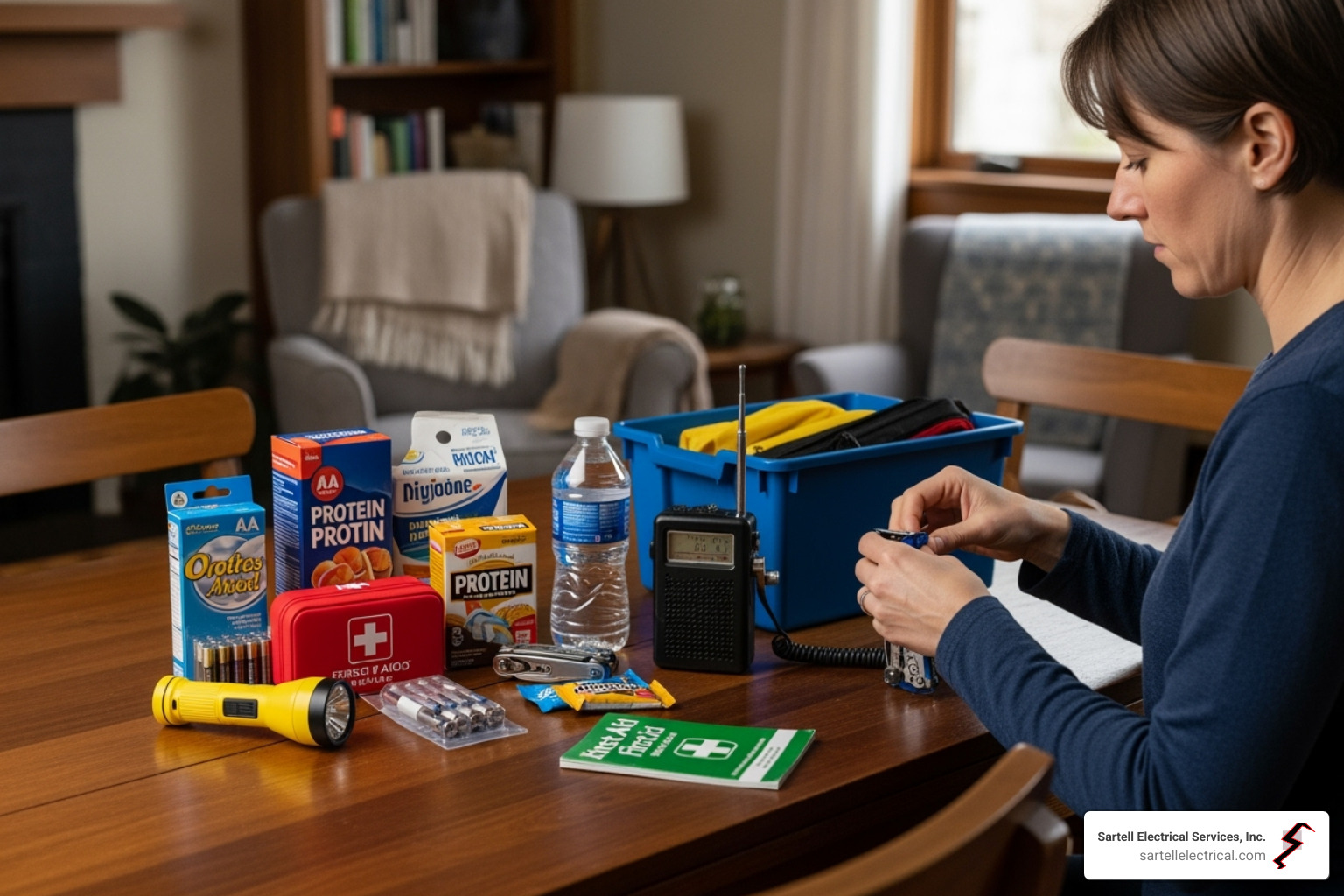
But equipment is only part of the equation. Your plan should also include
emergency contacts like your doctor and local fire department, a
relocation strategy if you need to go somewhere with reliable power, and an
emergency kit with medications, food, and other essentials.
When widespread outages hit, utilities focus on getting neighborhoods back online - they can't prioritize individual homes, even those with medical needs. Your personal preparedness is your strongest defense against power emergencies.
How to maintain your medically essential electric service status
Once you're enrolled in
medically essential electric service, staying protected requires some ongoing effort on your part. Think of it like renewing your driver's license - you need to prove you still qualify.
Annual recertification is the big one. Most utilities require you to submit updated paperwork every 12 months, often including a fresh physician's certification. This isn't just bureaucratic red tape - it ensures your utility's records stay current and that you still genuinely need these protections.
Some programs offer
self-certification options every few years for certain conditions, but you'll still need periodic
physician re-verification to confirm your ongoing medical needs. The key is staying on top of these requirements before they expire.
Keeping your contact information updated might seem obvious, but it's crucial. If your utility can't reach you about planned outages or disconnection notices, those advance warnings lose their value. Update your phone number, email, and mailing address whenever they change.
Finally, if your medical situation improves and you
no longer need the equipment, let your utility know. It's the right thing to do, and it helps ensure these valuable program resources go to families who truly need them. By staying proactive with these responsibilities, you keep your safety net strong and ready when you need it most.
Frequently Asked Questions about Medically Essential Electric Service
I've been helping Massachusetts families and healthcare facilities with their electrical needs for nearly four decades, and these questions about
medically essential electric service come up regularly. Let me share the answers that matter most when your health depends on reliable power.
Does this program mean my power will never be shut off?
This is probably the most important question to understand clearly.
No, the program doesn't guarantee your power will never go out. I wish it could, but that's just not how electricity works.
What
medically essential electric service actually does is give you a fighting chance. Instead of being caught off guard by a planned outage or sudden disconnection, you get advance warning - usually 24 to 48 hours for planned maintenance, and up to 30 extra days before disconnection for unpaid bills.
Think of it like having a weather forecast before a storm. The forecast doesn't prevent the storm, but it gives you time to prepare. During my years working on emergency electrical repairs, I've seen how those extra hours of warning can literally save lives when families have time to charge backup batteries, fuel their generators, or arrange alternative care.
Mother Nature, equipment failures, and system emergencies don't care about medical needs. But utilities that know about your situation can at least give you the heads-up you need to activate your backup plan.
Is there an income requirement to qualify for these programs?
Here's some good news:
your bank account doesn't determine your eligibility. These programs are based purely on medical necessity, not your ability to pay your electric bill.
Whether you're struggling financially or doing well, if a licensed physician certifies that you need electric-powered equipment to stay alive or avoid hospitalization, you qualify. The focus is entirely on the medical dependency, as certified by your doctor.
This approach makes sense when you think about it. A wealthy person on a ventilator faces the same life-threatening risks during a power outage as someone with limited income. Medical emergencies don't discriminate based on financial status.
That said, some utilities do offer additional income-based assistance programs that you might qualify for alongside your medical designation. It's worth asking your utility about all available options when you apply.
What should I do during a power outage if I'm enrolled in the program?
When the lights go out,
your personal emergency plan becomes your lifeline. The utility's job was to warn you - now it's time for your preparation to kick in.
Your first move should be
switching to your backup power source immediately. If you have a generator system like the ones we install for healthcare facilities throughout Massachusetts, it should activate automatically. For battery-powered equipment, switch to your charged backup batteries right away.
If your backup power won't last long enough or isn't working properly,
implement your relocation plan. This might mean heading to a predetermined safe location - perhaps a hospital, emergency shelter, or a family member's home with reliable power. The key is having this plan ready before you need it, not figuring it out in the dark.
Stay informed about restoration estimates through local news and your utility's updates, but don't wait around hoping for a quick fix. During major storms, power restoration can take days or even weeks in some areas.
If the patient's condition becomes critical,
don't hesitate to call 911. Your utility company is focused on fixing power lines, not providing medical care. Emergency responders are trained to help medical equipment users during power emergencies.
Being enrolled in
medically essential electric service gives you the warning and extra time you need, but your personal preparedness plan is what actually keeps you safe when the power goes out. That's why we always emphasize backup power solutions when working with families who depend on medical equipment - because when seconds count, you can't wait for the grid to come back online.
Conclusion
When someone's life depends on electricity,
medically essential electric service becomes far more than just another utility program—it's a critical lifeline that can mean the difference between safety and crisis. Throughout this guide, we've walked through how these programs work, from understanding what qualifies as medically essential to navigating the application process and maintaining your enrollment.
The truth is, these programs provide invaluable protections—
advanced outage notifications,
extended payment periods, and
connections to social services—but they're not magic shields against power outages. Weather doesn't check your enrollment status before knocking out power lines, and equipment failures don't pause for medical equipment.
That's exactly why your personal backup power plan isn't just a good idea—it's absolutely essential. Whether you're looking at
backup batteries for smaller devices,
portable power stations for medium needs, or
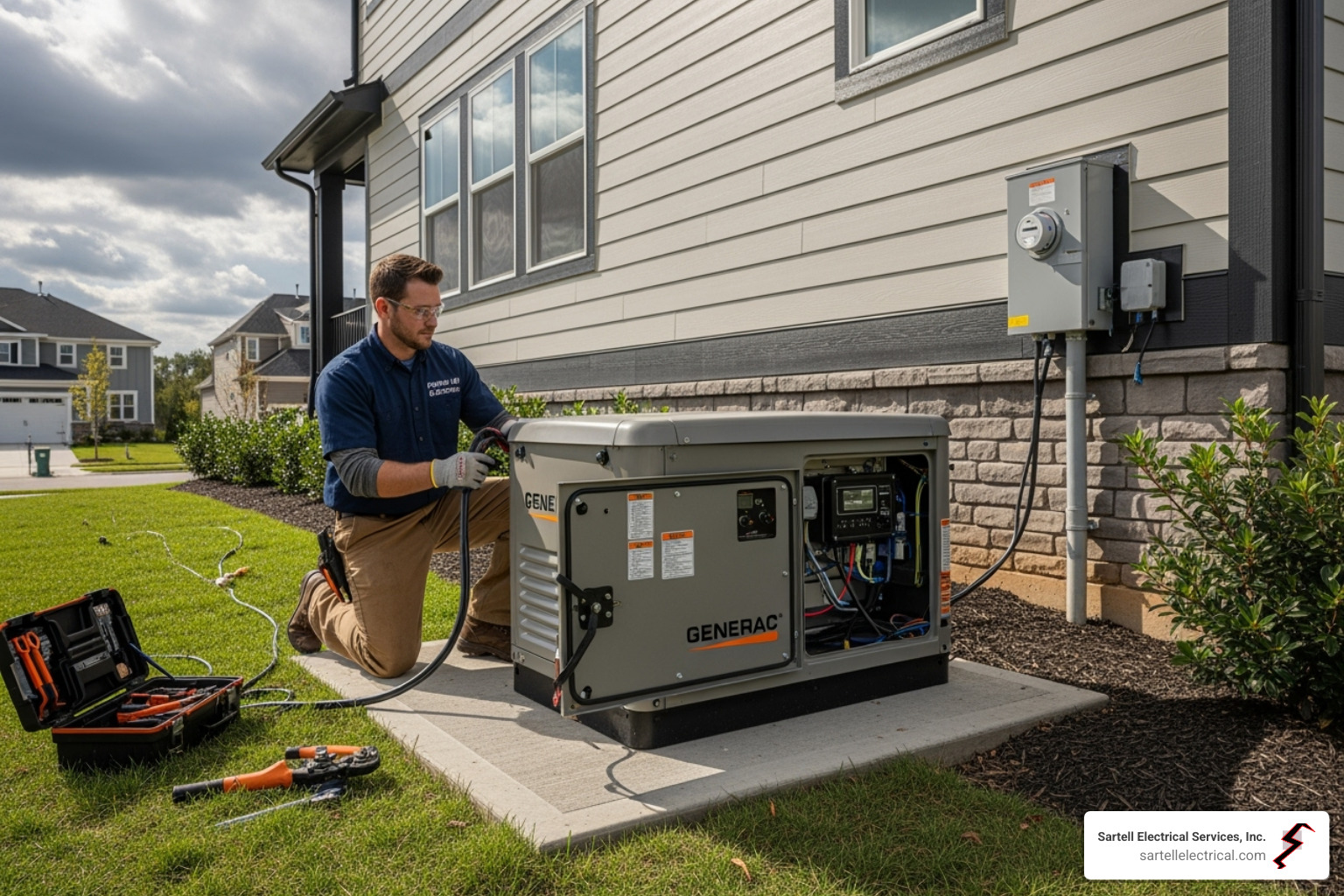
whole-house generators for comprehensive coverage, having reliable backup power transforms you from vulnerable to prepared.
After nearly four decades in the electrical industry here in Massachusetts, I've seen how proper electrical planning saves lives. At Sartell Electrical Services, we've helped families across the state—from Boston to Worcester to Cambridge—ensure their homes are ready when medical equipment can't afford to stop working. We understand that for our clients with medical dependencies, a generator isn't just convenient—it's life-sustaining equipment.
The best time to prepare for a power outage is long before you need it. Don't wait until you're sitting in the dark, wondering if your loved one's equipment will keep running. Take action now to
ensure your home is ready with professional health care electrical services.
Your utility company will do their part by keeping you informed and providing those crucial extra protections. But your safety ultimately depends on your preparation. Let us help you build that foundation of electrical reliability that gives you true peace of mind—because when lives depend on power, there's no such thing as being too prepared.