Why Understanding Electrical Wiring Costs Matters for Your Home or Business
An
electrical house wiring contractor provides essential services including new construction wiring, complete house rewiring, electrical panel upgrades, circuit installation, and smart home integration. When estimating costs, expect to pay
$3-$6 per square foot for new wiring, with total project costs ranging from
$7,286 to $13,257 for an average 2,200-square-foot home. Panel upgrades typically cost
$770-$1,402 for 100-amp systems and
$1,580-$2,876 for 200-amp systems.
Whether you're overseeing a new commercial build, managing a facility upgrade, or planning a major renovation, your electrical system is the invisible backbone that keeps everything running. Yet it's often the most misunderstood part of any project—especially when it comes to costs, timelines, and code requirements.
Here's what makes electrical work different:
mistakes aren't just expensive, they're dangerous. An outdated or improperly installed system can lead to fire hazards, equipment damage, and serious safety risks. For business owners and facility managers, the stakes are even higher—downtime means lost revenue, and code violations can halt operations entirely.
The good news? When you understand the key factors that drive electrical costs and the critical upgrades that protect your investment, you can make informed decisions that balance budget, safety, and long-term value. More than 50% of buyers—whether residential or commercial—will pay more for properties with updated electrical systems.
I'm Ed Sartell, and I've been working as an electrical house wiring contractor since 1985, serving businesses and homeowners across Massachusetts. Over nearly four decades, I've guided countless clients through complex electrical projects, from ground-up construction to critical system upgrades, always focusing on safety, quality, and getting the job done right.
This guide breaks down everything you need to know: realistic cost expectations, when upgrades are necessary versus simple repairs, how electrical work affects property value, and most importantly, how to find and vet a qualified contractor who can deliver on time and within budget.
Breaking Down House Wiring Costs
Understanding the financial investment required for electrical wiring is crucial for any homeowner in Massachusetts. Whether you're building a new home in Reading, upgrading an older property in Boston, or simply adding a new circuit, the costs can vary significantly. Let's illuminate the factors that influence your project's price tag, from the size of your home to the type of electrical panel you need.
Key Factors Influencing Your Project's Price Tag
The cost of electrical wiring or rewiring a house isn't a one-size-fits-all figure. Several key factors come into play, shaping the final estimate you receive from an
electrical house wiring contractor.
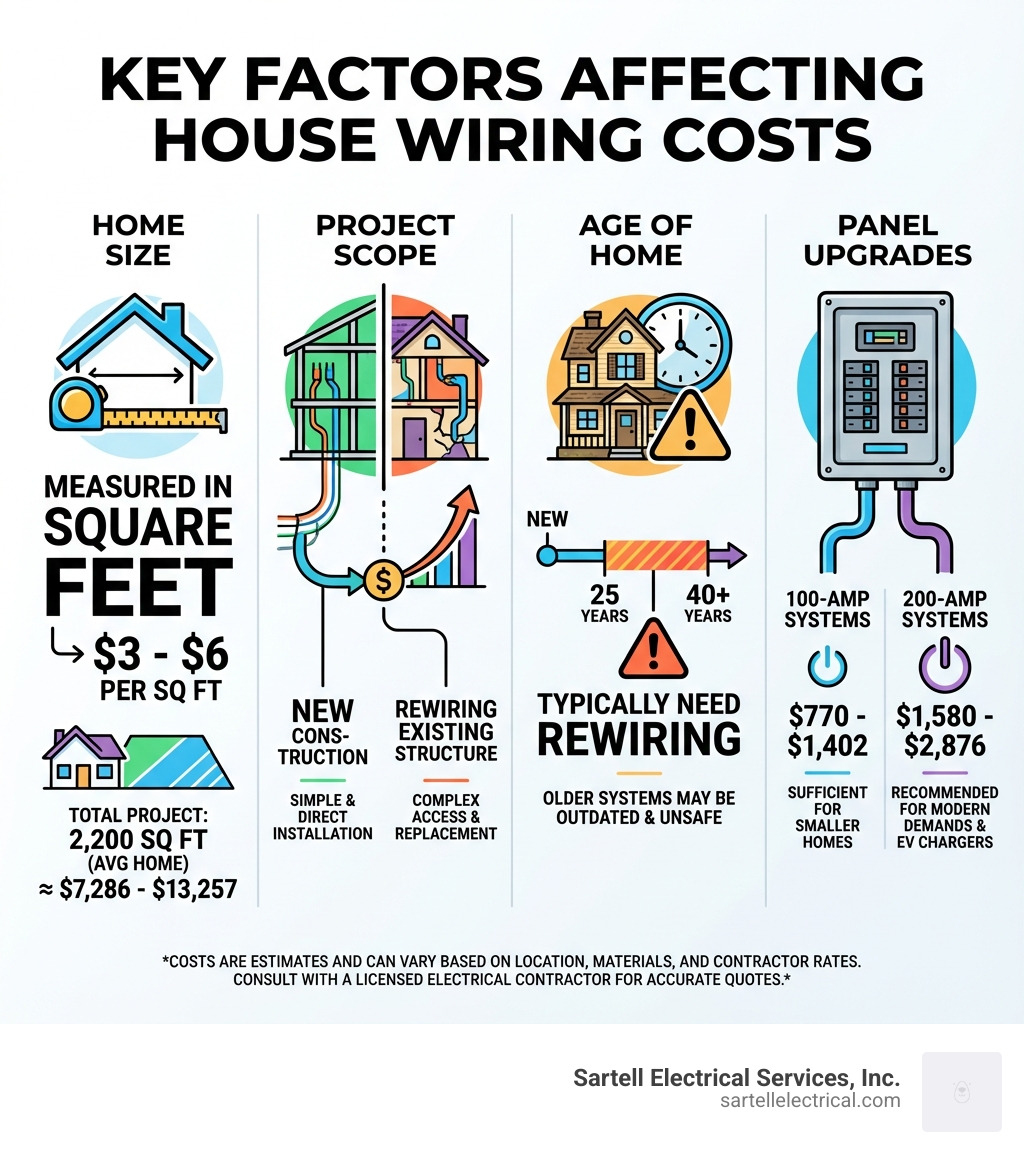
- Home Size: This is often the most significant determinant. Larger homes naturally require more wiring, more outlets, and more labor. Installing new electrical wiring typically costs between $3 and $6 per square foot of the home’s floor plan. This means a 1,000-square-foot home will cost substantially less than a 3,000-square-foot mansion in Wellesley.
- Project Scope: Are we talking about a brand-new installation in a home under construction, or a complete rewire of an existing structure? New construction wiring is generally more straightforward and less costly, as walls are open and accessible. Rewiring an old home, especially one with plaster walls, involves more labor for demolition, fishing wires through existing structures, and patching, which drives up the price.
- Accessibility: How easy is it for our electricians to access the areas needing wiring? An unfinished basement or attic provides much easier access than finished walls and ceilings, reducing labor time and, consequently, cost.
- Material Quality: The type and quality of wiring materials, devices (outlets, switches), and fixtures you choose will impact the overall cost. For more detailed insights into the different types of wiring we use, you can explore our guide on More info about wire for house wiring.
- New Construction vs. Rewiring an Old Home: As mentioned, rewiring an older home is typically more expensive. For instance, the average price range for rewiring a 1,000-square-foot home is $3,312–$6,026, while a 2,200-square-foot home can range from $7,286–$13,257. For larger homes, say 3,000 square feet, expect costs between $9,936–$18,078. These figures highlight the substantial difference between starting fresh and overhauling an existing system.
To give you a clearer picture, here's a comparison of typical rewiring costs based on home size:
| Home Size (Square Feet) |
Average Rewiring Cost Range |
| 1,000 |
$3,312–$6,026 |
| 2,200 |
$7,286–$13,257 |
| 3,000 |
$9,936–$18,078 |
Electrical Panel Upgrade Costs
Your electrical panel is the heart of your home's electrical system, distributing power safely to all circuits. With modern appliances and increased electrical demands, many Massachusetts homes require panel upgrades.
- Panel Capacity: The cost largely depends on the amperage of the panel you need.
- Installing or replacing a 100 Amp electrical panel typically costs between $770–$1,402.
- For a more robust 200 Amp electrical panel, expect costs to be between $1,580–$2,876.
- Reasons for an Upgrade: You might need an upgrade if your current panel is outdated (like a fuse box), you're experiencing frequent tripped breakers, or you're adding major new appliances (like an EV charger or central air conditioning). Most modern homes don't need service panels larger than 200 amps. Upgrading ensures your home can safely handle its electrical load. For a comprehensive guide on upgrading your electrical panel, visit our page on More info about breaker panel upgrade cost.
Budget, Mid-Range, and High-End Wiring Options
Just like choosing a car, there are different tiers for your home's electrical wiring project, each offering varying levels of investment and benefits.
- The Budget Option: This typically involves a partial rewire, focusing on critical safety issues or specific problem areas. For example, if only one section of your home has faulty wiring, we can address that without overhauling the entire system. Keeping existing outlets and light fixtures can also significantly reduce costs. This is a practical choice for homeowners on a tight budget who need immediate safety improvements.
- The Mid-Range Option: This usually entails a full house rewire using standard, high-quality materials and bringing the system up to current code. It might include upgrading your electrical panel and adding some new outlets or dedicated circuits. This option offers a great balance of safety, functionality, and cost-effectiveness, providing long-term reliability for most homeowners.
- The High-End Option: This is a complete electrical system replacement, going beyond just basic wiring. It includes a new, higher-capacity electrical panel, full rewiring with premium materials, replacing all outlets and switches, installing new circuits for future needs, and integrating smart home technology throughout your residence. This option maximizes safety, efficiency, and future-proofs your home, significantly increasing its value and appeal. While the initial investment is higher, the benefits in terms of convenience, energy savings, and resale value are substantial.
Choosing a budget or mid-range option can offer immediate savings, but it's important to weigh these against the long-term benefits of a more comprehensive upgrade. A full electrical system overhaul can increase a home's market value significantly and provide peace of mind for decades.
Financing Your Electrical Project
Large electrical projects can be a significant investment. Fortunately, several financing options are available to help Massachusetts homeowners manage the costs.
- Contractor Financing: Many reputable electrical house wiring contractor firms, including ours, offer financing solutions directly or through partnerships. These options can sometimes provide better interest rates and payback periods than other methods.
- Personal Loans: A personal installment loan can provide a lump sum of money that you repay over a fixed period with a fixed interest rate. You can learn more about Taking out a personal loan for home improvement projects.
- Home Equity Loans: If you have equity in your home, a home equity loan allows you to borrow against it, typically offering lower interest rates than personal loans. For more information, explore Taking out a home equity loan.
- Home Equity Line of Credit (HELOC): Similar to a home equity loan, a HELOC offers a revolving credit line you can draw from as needed, making it flexible for projects with uncertain costs or phased work.
- Permits and Inspection Costs: Don't forget to factor in these essential costs. Permitting and inspection costs can be as much as a few hundred dollars, but they are vital for ensuring your electrical work meets local building codes and safety standards. Our team handles all necessary permits and ensures all work passes inspection in Massachusetts.
Understanding the Rewiring Process and Electrical Upgrades
Once you understand the costs, the next step is to grasp what a wiring project truly entails. From the typical timeline to recognizing when an upgrade is necessary, we'll explain the process for homeowners throughout Massachusetts, from Andover to Worcester.
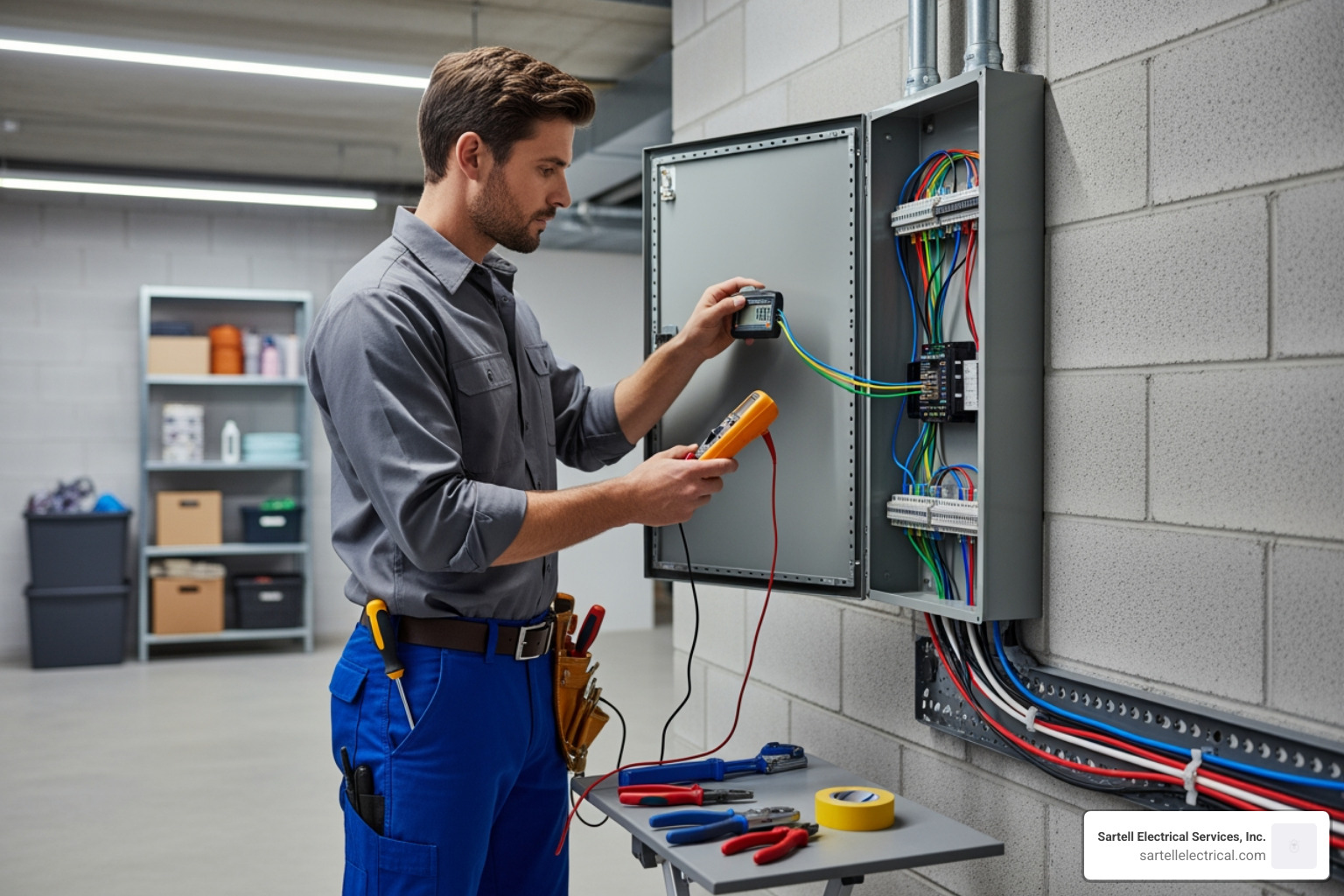
Project Timeline and Process
Rewiring an entire house might sound daunting, but with an experienced
electrical house wiring contractor, the process is efficient and well-managed.
- Typical Duration: It typically takes about a week to completely rewire the average home. Depending on the size and complexity of your home, and the extent of the work, this can extend up to three weeks or even longer in extreme cases. Our project management ensures clear communication and minimal disruption. For a deeper dive into how we manage complex electrical projects, see our insights on More info about electrical project management.
- Rewiring Without Removing Walls: This is a common concern, and we have good news! In most cases, a house can be completely rewired without removing entire walls. Our skilled electricians use specialized techniques to fish new wires through existing cavities, minimizing structural impact. We might need to make small, strategic cuts into sheetrock to access wiring, but these are always patched and finished afterward. Our goal is to make these necessary alterations as unnoticeable as possible.
- What to Expect During the Project: We'll work closely with you to plan the project, ensuring we understand your needs and preferences. During the work, there might be temporary power interruptions, but we always strive to minimize inconvenience. We'll keep the work area tidy and ensure all safety protocols are strictly followed.
When to Rewire: Age and Warning Signs
Knowing when your home needs a wiring overhaul is crucial for safety and functionality.
- Recommended Age for Rewiring: A home should be rewired every 25–40 years to keep up with contemporary safety standards and ensure smooth operation. While wiring itself can last around 50 years, the demands on electrical systems have changed dramatically over time.
- Risks of Outdated Systems: An outdated electrical system poses significant risks, including electrical fires and shocks. It can also cause issues with insurance coverage and even mortgage approvals. Furthermore, it lowers a home's appraisal value due to safety concerns and may cause the home to stay on the market longer with lower offers.
- Warning Signs: Look out for these red flags:
- Flickering lights: A sign of inconsistent power flow.
- Frequent tripped breakers: Indicates an overloaded circuit, which means your system can't handle current demands.
- Burning smells: This is a serious warning sign and requires immediate attention from an electrician.
- Warm outlets or switch plates: Another indicator of potential overheating.
- Outdated Wiring Types: If your home still has knob-and-tube wiring (common in homes built before the 1940s) or aluminum wiring (used in some homes from the 1960s to 1970s), a rewire is highly recommended. These types of wiring are known fire hazards and are often not insurable. For specific concerns about aluminum wiring, our guide on More info about aluminum wiring upgrades provides further details.
Common Electrical Upgrades vs. Simple Repairs
It's important to distinguish between a simple repair and a necessary upgrade.
- Upgrade Definition: An electrical upgrade involves improving your home’s electrical system by replacing components or the entire system itself to improve safety, efficiency, and functionality. It's about future-proofing and increasing capacity.
- Repair Definition: A simple repair, on the other hand, fixes a specific fault or malfunction, like replacing a broken outlet or troubleshooting a single circuit issue. While important, repairs don't address systemic issues or increase overall capacity.
- Common Upgrades:
- Full System Replacement: Installing a new panel to increase capacity, completely rewiring the home, replacing all outlets and switches, and ensuring the home is up to current safety standards.
- Adding Circuits: Essential for modern kitchens, home offices, and dedicated appliance circuits.
- Smart Home Integration: Wiring for smart thermostats, lighting, security systems, and other connected devices.
- Lighting Upgrades: Installing energy-efficient LED lighting, modern fixtures, and smart lighting controls.
- Surge Protection: Whole-home surge protectors safeguard your valuable electronics from power spikes.
- EV Charging Stations: Dedicated circuits and outlets for electric vehicle charging, a growing necessity for many homeowners.
For a deeper understanding of the various ways you can improve your home's electrical system, explore our guide on
More info about residential electrical upgrades.
The ROI of Electrical Upgrades and Why It's a Smart Investment
Investing in your home's electrical system isn't just about safety; it's a strategic financial decision. Modernizing your electrical infrastructure with a qualified
electrical house wiring contractor in Massachusetts can significantly increase your home's value and provide substantial long-term benefits.

Boosting Your Home's Value
Think of an electrical upgrade as a hidden asset that pays dividends.
- Increased Market Value: More than 50% of home buyers say they would pay more for a home with an updated electrical system. This statistic alone highlights the strong return on investment. Buyers are increasingly aware of the importance of a safe and reliable electrical system.
- Buyer Appeal: An updated electrical system improves a home's appeal by addressing safety concerns and supporting modern living. Tech-savvy buyers, in particular, are drawn to properties that can seamlessly integrate smart home devices and accommodate high-tech lifestyles.
- Improved Safety and Functionality: A modern electrical system minimizes risks like electrical fires and shocks, making the home safer. It also ensures the home can handle current demands without issues, providing reliable power for all appliances and electronics.
- Energy Efficiency: Many upgrades, especially those involving lighting or smart home integration, can lead to significant energy savings, translating to lower utility bills—a major selling point.
- Future-Proofing for Technology: With rapid advancements in technology, an upgraded electrical system ensures your home is ready for tomorrow's innovations, from advanced home automation to future electric vehicle charging needs.
Long-Term Benefits Beyond Resale
While resale value is a strong motivator, the daily benefits of an upgraded electrical system are equally compelling.
- Improved Safety: This is paramount. A modern, up-to-code electrical system drastically reduces the risk of electrical fires, shocks, and other hazards, protecting your family and your property. Our commitment to More info about electrical safety checks ensures your system is always in top condition.
- Lower Energy Bills: Energy-efficient lighting (like LEDs) and optimized circuits can lead to noticeable reductions in your monthly electricity costs.
- Support for Modern Appliances: From high-definition televisions and powerful computers to electric vehicle chargers and smart home hubs, today's homes demand more power. An upgraded system ensures you can run all your devices without tripping breakers or worrying about overloads.
- Insurance and Mortgage Approval Benefits: Insurance companies are often hesitant to cover homes with outdated wiring (like knob-and-tube or aluminum), or they may charge higher premiums. An updated electrical system can make it easier to secure favorable insurance rates and smooth the mortgage approval process.
- Peace of Mind: Knowing your home's electrical system is safe, reliable, and up-to-date provides invaluable peace of mind. No more flickering lights, buzzing outlets, or worries about potential hazards.
How to Hire the Right Electrical House Wiring Contractor
Choosing the right
electrical house wiring contractor is arguably the most critical step in any wiring project. It's not just about getting the job done; it's about ensuring safety, compliance, and long-term reliability. For homeowners in Massachusetts, from the North Shore to MetroWest, selecting a qualified professional is paramount.
The Dangers of DIY and Why You Need a Professional
We cannot stress this enough:
Never attempt DIY electrical wiring. This isn't a weekend project for a hobbyist.
- Safety Risks: Electrical work carries extremely serious risks, including severe electric shock, electrocution, and devastating electrical fires. Mistakes can lead to serious injury, death, and significant property damage.
- Legality and Code Compliance: In Massachusetts, electrical work is strictly regulated by state and local codes. DIY work often fails to meet these standards, leading to code violations. This can result in fines, make it difficult to sell your home, and even void your home insurance.
- Insurance Invalidation: Most homeowner insurance policies will not cover damages or injuries resulting from unpermitted or improperly installed electrical work.
- The Value of a Licensed and Insured Professional: A licensed electrician has undergone extensive training, passed rigorous exams, and is knowledgeable about all current codes and safety practices. Furthermore, a reputable electrical house wiring contractor will be fully insured, protecting both their workers and your property in case of an accident. For detailed guidance on making informed decisions, refer to our More info about choosing an electric repair guide.
Services Provided by an electrical house wiring contractor
A professional
electrical house wiring contractor offers a comprehensive range of services custom to residential needs.
- New Construction Wiring: Designing and installing complete electrical systems for new homes, ensuring efficiency and compliance from the ground up.
- Full House Rewiring: Replacing old, hazardous, or inadequate wiring with modern, safe alternatives.
- Panel Upgrades: Installing new electrical service panels or upgrading existing ones to meet increased power demands.
- Circuit Installation: Adding new dedicated circuits for high-demand appliances or areas of your home.
- Lighting and Fixture Installation: From recessed lighting to ceiling fans and outdoor security lights, we handle all types of fixture installations.
- Smart Home Setup: Integrating smart lighting, thermostats, security systems, and other connected devices into your home's electrical infrastructure.
- EV Charger Installation: Installing dedicated charging stations for electric vehicles in your garage or driveway.
- Troubleshooting and Repairs: Diagnosing and fixing electrical faults, from flickering lights to non-functional outlets.
For residents in and around Boston, we offer specialized
More info about electrical wiring services in Boston to meet the unique demands of urban homes.
Your Checklist Before Hiring an electrical house wiring contractor
Finding a licensed and reliable electrician for your home is crucial. Here’s a checklist to guide you:
- Finding Reliable Electricians:
- Referrals: Ask friends, family, or neighbors in Massachusetts for recommendations.
- Online Reviews: Check reputable review sites for local electricians.
- State Licensing Boards: Always verify an electrician's license through the Massachusetts Board of State Examiners of Electricians. Ensure their license is active and valid. Watch out for red flags, such as numerous complaints. You can find more tips on how to find a qualified professional on our More info about finding a registered electrician near me page.
- Questions to Ask: Before making a decision, ask these key questions:
- "Are you licensed and insured to work in Massachusetts?" (Always ask for proof.)
- "Do you have experience with projects similar to mine (e.g., rewiring an older home, smart home integration)?"
- "Can you provide a detailed, written quote that breaks down labor, materials, and permit costs?"
- "Do you offer any warranties or guarantees on your work?"
- "What is your estimated timeline for completing the project?"
- "What preparations do I need to make before you start work?" (e.g., clearing rooms, moving furniture).
- "Will you handle all necessary permits and inspections with the local authorities?"
Before our team arrives, we recommend giving us as many details as possible about the problem or project. Clear any obstacles or obstructions from the work area, and for the safety of everyone, please keep pets and children away from the work site. This allows our electricians to focus and work efficiently.
Frequently Asked Questions about House Wiring
We understand you likely have many questions when considering a wiring project. Here are quick answers to some of the most common inquiries we receive from homeowners in Massachusetts.
At what age should a house be rewired?
A home should generally be rewired every
25–40 years. This guideline helps ensure the electrical system keeps up with contemporary safety standards and can handle the demands of modern appliances. Factors like the original wiring type (e.g., knob-and-tube or aluminum wiring often needs replacement sooner), the home's electrical load, and any persistent issues (like frequent tripped breakers or flickering lights) can indicate a need for rewiring even earlier. We always recommend a professional electrical inspection for older homes to accurately assess their condition.
Can a house be rewired without removing walls?
Yes, in most cases, a house can be completely rewired without removing entire walls. Our experienced
electrical house wiring contractor team uses specialized techniques to fish new wires through existing wall cavities, ceilings, and floors. While it's often necessary to make small, strategic cuts into sheetrock or plaster for access, these are typically minimal and are always patched and repaired by the end of the project. Our goal is to minimize disruption and leave your home looking as if no major work was done.
Is it safe or legal for homeowners to attempt DIY electrical wiring?
No, under no circumstances is it safe or legal for homeowners to attempt DIY electrical wiring in Massachusetts. Electrical work is highly complex and dangerous, carrying significant risks of electric shock, electrocution, and fire. Furthermore, all electrical work must comply with strict state and local codes and often requires permits and inspections. Unpermitted or improperly installed DIY electrical work can lead to fines, invalidate your home insurance, and pose serious hazards to you and your family. Always hire a licensed and insured
electrical house wiring contractor for any electrical work in your home.
Conclusion
Navigating electrical wiring, costs, and codes can feel like a labyrinth, but with the right knowledge and a trusted
electrical house wiring contractor, it doesn't have to be. We've explored the critical factors influencing costs, the nuances of rewiring, and the undeniable long-term benefits of investing in a safe, modern electrical system for your home in Massachusetts.
Your electrical system is more than just wires and outlets; it's the lifeline of your home, impacting everything from daily convenience to safety and property value. Upgrading or rewiring is not just an expense; it's a smart investment that pays dividends in peace of mind, energy efficiency, and improved market appeal.
At Sartell Electrical Services, we are committed to excellence, leadership, and unparalleled customer service. With over 30 years of experience serving homeowners across Massachusetts, including Reading, Boston, Framingham, and beyond, our team is equipped to handle projects of all sizes with precision and care. We pride ourselves on getting the job done right, ensuring your home's electrical system is safe, reliable, and perfectly suited for your needs.
For expert residential electrical services in Massachusetts, trust our experienced team to get the job done right.
Contact us for your residential electrical needs today and let us illuminate your home safely and efficiently.