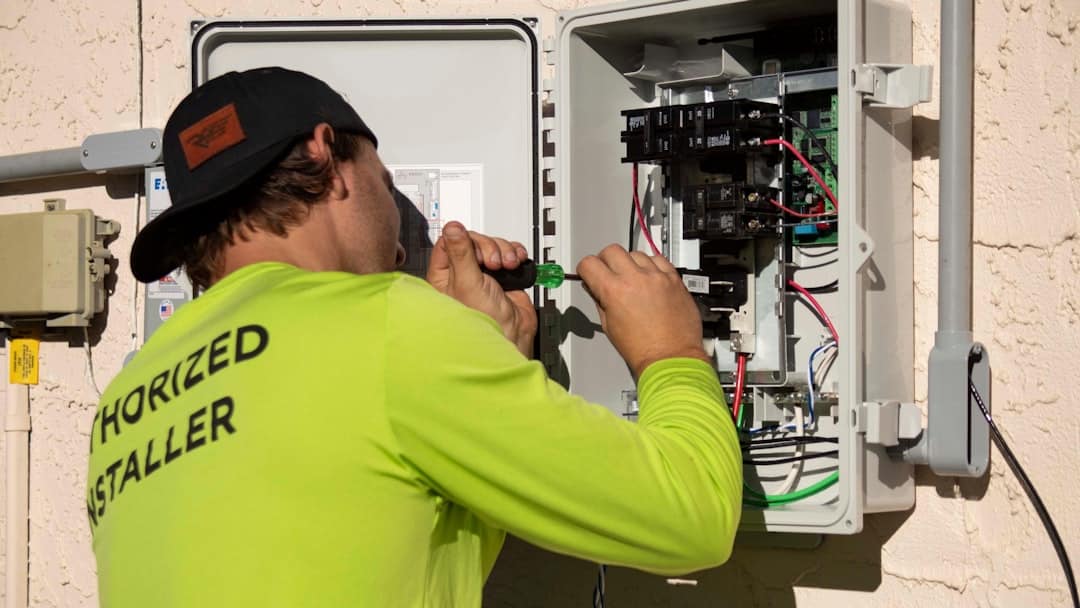
Why Understanding Electrical Panel Costs Matters for Your Property
Electrical breaker box installation cost is a critical budgeting factor for property managers and facility directors planning electrical upgrades. Knowing what to expect financially is crucial for any major renovation or building management, impacting your project's timeline and budget.
Average Electrical Panel Replacement Costs:
| Project Scope |
Cost Range |
| Standard Panel Replacement |
$1,271 - $1,342 average |
| Typical Range |
$519 - $2,186 |
| Complex Projects (moving panel, amperage expansion) |
$4,000 - $4,500+ |
| Panel Relocation |
$1,500 - $3,500 |
| Permit Costs |
$50 - $300 |
Your electrical panel is the heart of your facility's power distribution system. It controls everything from lighting and HVAC to critical equipment and security systems. When that system needs replacing, the costs can vary dramatically based on factors like panel type, amperage requirements, labor complexity, and whether additional work like rewiring or relocation is needed.
For commercial and institutional properties, the stakes are even higher. An outdated or failing electrical panel doesn't just pose safety risks—it can disrupt operations, trigger insurance complications, and create liability concerns. According to industry data, electrical issues cause over 51,000 fires annually, making timely upgrades a matter of both safety and risk management.
I'm Ed Sartell, President of Sartell Electrical Services. Since 1985, I've overseen thousands of panel installations across Massachusetts, helping clients manage
electrical breaker box installation cost considerations while ensuring code compliance and minimal disruption. Understanding these costs upfront helps you make informed decisions and avoid surprises, whether for a single replacement or a facility-wide upgrade.
Understanding the Average Electrical Breaker Box Installation Cost
Upgrading your electrical panel is a significant investment for your property's safety and efficiency. The
electrical breaker box installation cost varies widely, so understanding the averages is key to budgeting effectively.
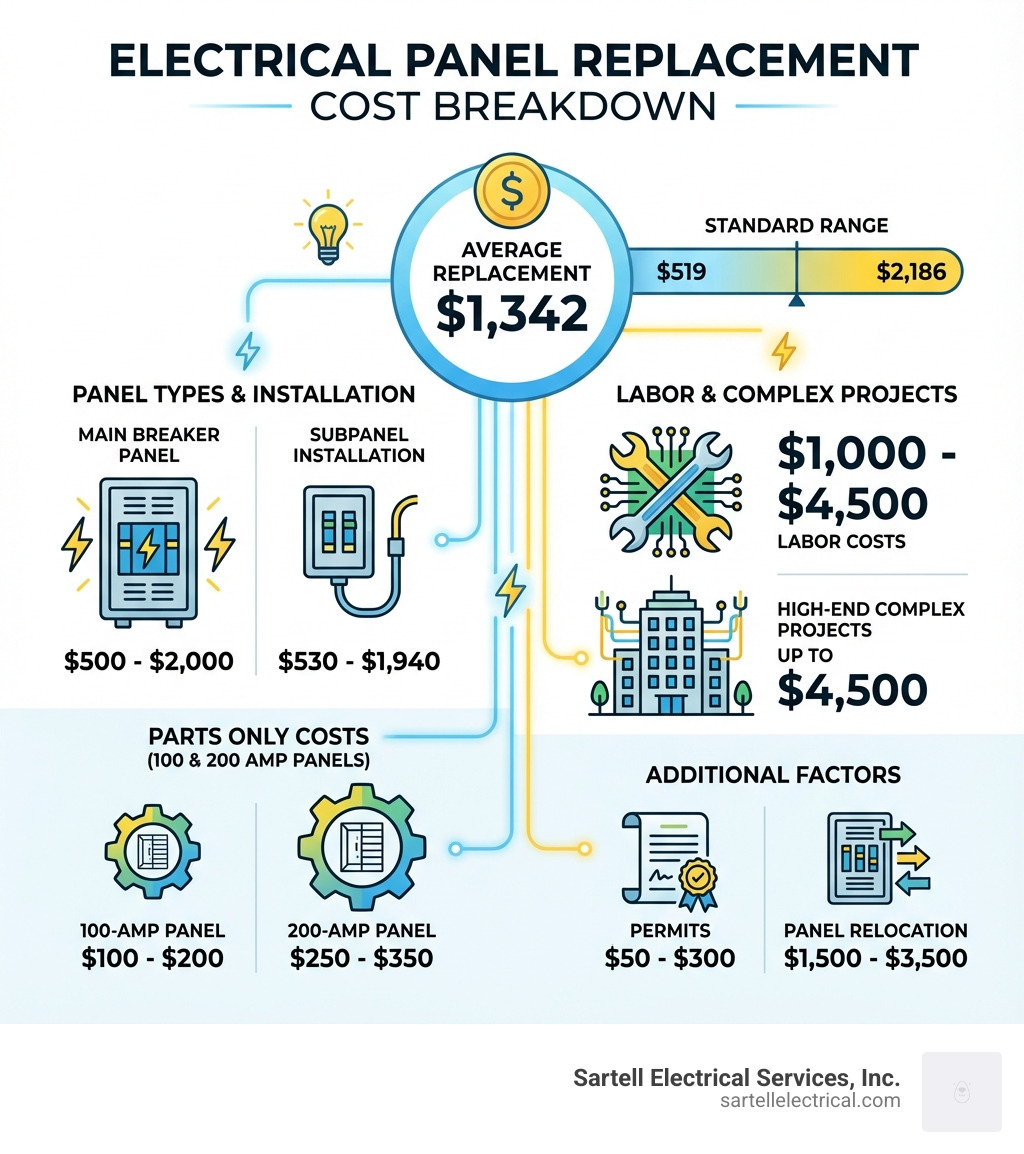
The estimated cost to install an electrical service panel starts at $1,283 to $1,556 per panel as of October 2025. According to Angi, the average cost for an electrical panel replacement is around $1,271, with most homeowners spending between $524 and $2,073. However, for more complex projects, costs can easily exceed $4,000, sometimes even reaching $4,500 or more. This higher end typically includes extensive work like moving the electrical panel, significant amperage expansion, or a complete overhaul of existing wiring.
A standard replacement includes the new panel, installation labor, and supplies like connectors and fittings. These averages are starting points. For a precise
main panel upgrade cost, consult a licensed electrician.
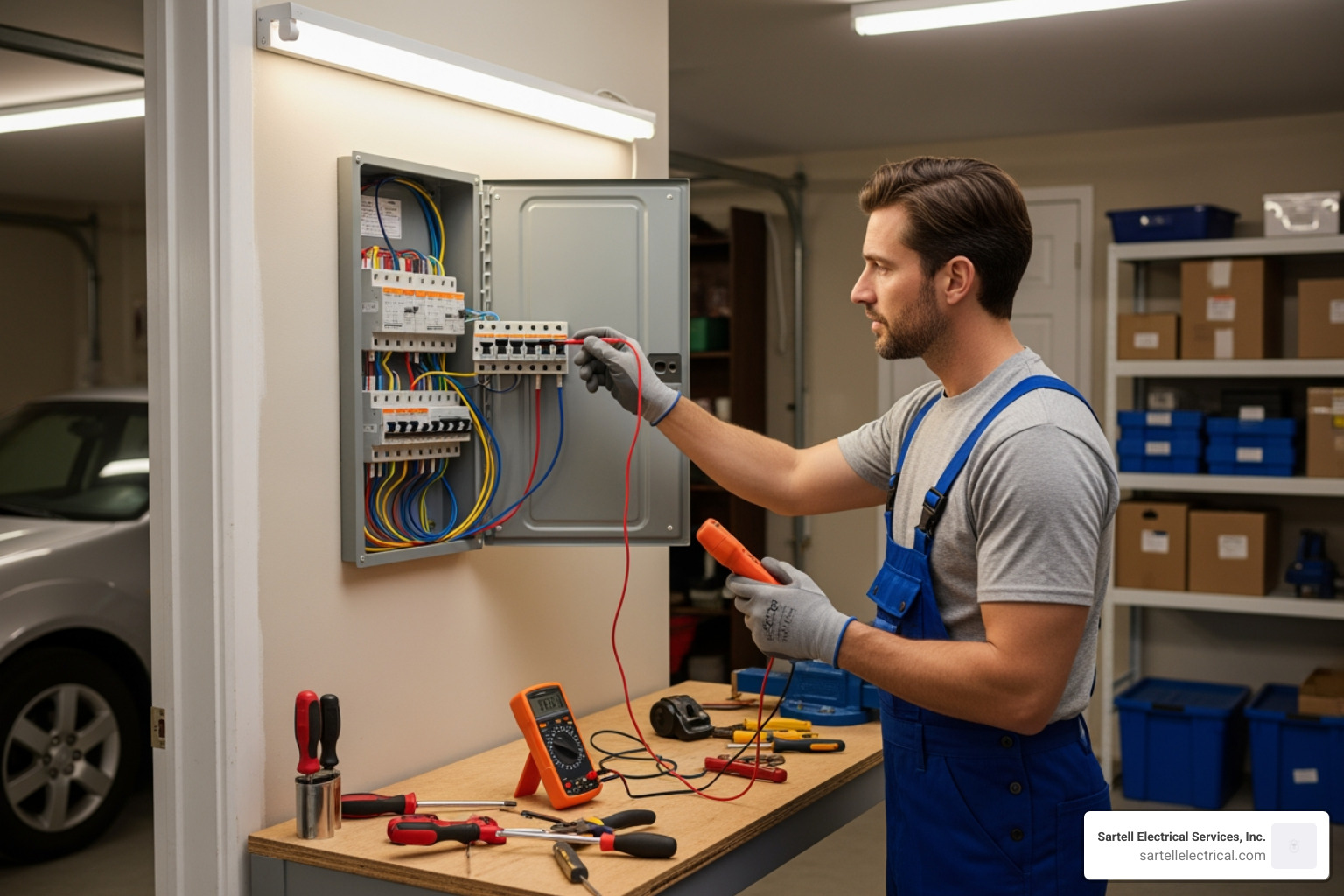
Cost Breakdown by Panel Type
The type of electrical panel you need significantly impacts the overall
electrical breaker box installation cost. Different panels serve different purposes and come with varying price tags.
- Main Breaker Panel: This is the central hub of your electrical system. A new main breaker box can cost anywhere from $500 to $2,000 for the unit itself, not including labor or other associated costs. These panels are designed to handle the primary electrical load for your entire property.
- Subpanel Installation: Sometimes, a full main panel replacement isn't necessary, or you might need to expand circuits in a specific area. This is where a subpanel comes in handy. Installing a subpanel typically ranges from $500 to $1,940. A subpanel allows you to add more circuits to a particular section of your property without having to run new wiring all the way back to the main panel. It's a great solution for additions, workshops, or dedicated server rooms.
- Smart Panel Costs: Welcome to the future! Smart electrical panels offer advanced features like remote monitoring and control of your energy usage, and some can even automatically switch between energy sources. These high-tech panels come with a higher electrical breaker box installation cost, typically ranging from $2,000 to over $5,000. While a larger upfront investment, they can offer long-term savings through improved energy management and potentially increased property value.
- Obsolete Panel Replacement (Federal Pacific, Zinsco): If your property has an older Federal Pacific or Zinsco electrical panel, replacement isn't just an upgrade—it's a critical safety measure. These panels are known for design flaws that can lead to fire hazards. Replacing one of these potentially dangerous units can cost between $1,500 and $4,000, depending on the complexity of the existing wiring and the scope of work required. We prioritize the replacement of these panels to ensure the safety of your property and occupants. For more comprehensive panel replacement services, we're here to help.
How Amperage Affects Your Bill
The amperage of your electrical panel dictates how much power your property can safely draw. As our lives become more electrified, from EV chargers to advanced HVAC systems, the demand for higher amperage panels has grown. This demand directly influences the
electrical breaker box installation cost.
- 100-Amp Panel Cost: A 100-amp panel is typically found in older, smaller homes or properties without significant modern electrical demands. The parts alone for a 100-amp panel can cost $100 to $200. If your property still has a 100-amp service and you're adding new appliances or considering an EV charger, an upgrade is likely in order.
- 200-Amp Panel Cost: This is the standard for most modern homes and many commercial properties. A 200-amp panel provides sufficient capacity for a wide range of appliances, central air conditioning, and everyday use. The cost for the panel parts typically ranges from $250 to $350. Upgrading to a 200-amp service often costs between $750 and $2,000, not including potential rewiring. A 200 amp service upgrade is a common and often necessary investment for today's electrical needs.
- 400-Amp Panel Cost: For large luxury homes, multi-unit properties, or commercial facilities with heavy electrical loads (like industrial machinery or extensive data centers), a 400-amp panel might be necessary. The parts for a 400-amp panel can cost around $500, with total installed costs ranging from $2,000 to $4,000.
Home Energy Needs: Think about your current and future electrical demands. Are you planning to install an electric vehicle charger? EV charging can draw between 16 to 80 amps alone! Adding an electric furnace or heat pump can demand 60 to 80 amps. If your existing panel can't handle these loads, you'll experience frequent tripped breakers, flickering lights, and potentially dangerous situations. Upgrading your amperage ensures your electrical system can keep up with modern life. If you're considering a
change electrical panel from 100 to 200 cost, we can guide you through the process.
Key Factors That Influence Installation Costs
Understanding the average
electrical breaker box installation cost is one thing, but knowing what specific elements can push that price up or down is crucial for accurate budgeting. Several factors come into play, making each installation unique.

- Home Age and Existing Wiring: Older properties (pre-1960s) often have outdated electrical systems that don't support modern amperage standards. This can require extensive work like rewiring, which increases costs. Knob-and-tube or aluminum wiring requires specialized upgrades.
- Wiring Complexity: The state of your current wiring system plays a huge role. If your existing wiring is in good condition and compatible with a new panel, the job is relatively straightforward. However, if we find faulty wiring, damaged circuits, or a messy, tangled web of old connections, the complexity (and thus the cost) will rise.
- Accessibility: Is your electrical panel tucked away in a cramped corner of a basement, behind a stack of boxes, or easily accessible in a utility room? The ease with which our electricians can access the panel impacts labor time and, consequently, the cost. Difficult-to-reach panels require more time and effort.
- Geographic Location: While we operate throughout Massachusetts, including Boston, Cambridge, Reading, and the surrounding counties, local labor rates and permit fees can vary slightly from town to town. This localized variation means that your electrical breaker box installation cost might differ depending on where your property is situated within our service area. For a comprehensive overview, refer to our electrical panel upgrade cost guide.
Labor Costs: What to Expect
Labor is a significant component of the total
electrical breaker box installation cost. Hiring a skilled, licensed electrician is non-negotiable for safety and compliance.
- Electrician Hourly Rates: In Massachusetts, electricians typically charge between $40 and $250 per hour, depending on their experience, the complexity of the job, and the specific region. Our team of licensed residential electricians near me provides expert service that adheres to all local codes.
- Total Labor Cost: For an average electrical panel upgrade, you can expect labor costs to range from $1,000 to $4,500, or even higher for extensive projects. This covers the electrician's time, expertise, and the specialized tools required for the job.
- Job Duration: A straightforward panel replacement takes 4 to 8 hours. However, jobs involving amperage upgrades, complex wiring, or panel relocation can extend to 20-30 hours or more, directly impacting the final labor cost.
- Project Complexity: The more intricate the installation—for example, replacing an old fuse box with a modern breaker panel, or needing to reconfigure multiple circuits—the more labor time will be required, affecting the overall cost.
Additional Costs to Budget For
Beyond the panel and basic labor, several other factors can add to your total
electrical breaker box installation cost. Being aware of these potential extras will help you avoid unwelcome surprises.
- Permits and Inspections: In nearly all cases, upgrading or replacing an electrical panel requires a permit from your local municipality in Massachusetts. Permit costs typically range from $50 to $300. These permits ensure that the work is performed to code and inspected by local authorities, guaranteeing safety and compliance. We handle all necessary permitting for our clients.
- Moving the Panel: Sometimes, a panel needs to be relocated due to code violations (like being in a bathroom, which the National Electric Code prohibits), accessibility issues, or as part of a major renovation. Moving an electrical panel is a complex task that can add $1,500 to $3,500 to the overall cost, with an average around $2,000. This includes extending existing wiring, potentially running new service lines, and repairing any disturbed surfaces. An electric meter upgrade might also be necessary if the service entrance cable needs to be replaced due to the move.
- Home Rewiring: If your property has outdated or unsafe wiring (such as old cloth-insulated wires or aluminum wiring), a panel upgrade might necessitate partial or full home rewiring. Replacing faulty wiring can cost between $600 and $4,500, while a complete home rewiring project can range from $6 to $10 per square foot, potentially reaching $12,000 to $20,000 for an average-sized home. Addressing aluminum wiring upgrades is especially critical due to its inherent fire risks.
- Drywall Repair: Electrical panel work often requires opening up walls to access wiring, especially if the panel is being moved or extensive rewiring is involved. You should budget for drywall repair and potential painting, which can cost $1.50 to $3 per square foot, or $300 to $950 for typical repairs.
Is It Time for an Upgrade? Signs You Need a New Panel
Electrical breaker panels typically last 25 to 40 years. If your panel is approaching or has exceeded this age, it's wise to consider an upgrade for safety and convenience.
The risks of an outdated or failing electrical system are significant. Electrical issues are a leading cause of home fires. In fact,
Each year, electrical issues cause over 51,000 fires, often due to wire housing overheating and melting, leading to dangerous arcing. This alarming statistic underscores the importance of a well-maintained and up-to-date electrical panel.
Telltale Signs of a Failing Panel
Your electrical system often gives subtle hints when it's struggling. Paying attention to these signs can prevent minor annoyances from escalating into major safety hazards.
- Frequent Breaker Trips: If your circuit breakers are constantly tripping, especially when you use certain appliances or multiple devices simultaneously, it's a clear sign your panel is overloaded or struggling to handle your power demands. This is particularly common if you've added new, high-wattage appliances without upgrading your service.
- Flickering or Dimming Lights: Lights that flicker or dim, particularly when a large appliance turns on, can indicate a loose connection, an overloaded circuit, or a panel that isn't distributing power effectively.
- Burning Smell: A burning smell emanating from your electrical panel or outlets is a serious warning sign of overheating wires or components. Do not ignore this; it requires immediate attention from a professional.
- Scorch Marks: Visible scorch marks, discoloration, or melting around your electrical panel, outlets, or switches are direct evidence of overheating and a significant fire risk.
- Buzzing Sounds: Unusual buzzing or crackling sounds coming from your electrical panel can signal loose connections or internal damage that needs prompt inspection.
- Outdated Fuse Box: If your property still relies on a fuse box rather than a modern circuit breaker panel, it's definitely time for an upgrade. Fuse boxes offer less protection against overloads and are generally considered less safe than breaker panels.
- Adding Major Appliances: Planning to install a new hot tub, central air conditioning, an electric vehicle charger, or other high-demand appliances? Your current panel might not have the capacity to handle the increased load, making an upgrade essential.
Regular
electrical safety checks can help identify these issues before they become critical.
Repair vs. Replace: Making the Right Call
Deciding whether to repair an electrical panel or opt for a full replacement depends on the nature of the problem, the age of the panel, and your future electrical needs.
- When to Repair: Minor issues like a single faulty circuit breaker ($100 to $200 to replace) or loose connections can often be repaired. If the total repair cost is under $1,000 and your panel is relatively new and in good condition, repair may be the economical choice.
- When to Replace: You should seriously consider a full replacement if:
- Your panel is over 25 years old.
- You frequently experience the warning signs mentioned above.
- You have an obsolete panel type like Federal Pacific or Zinsco.
- You're undertaking a major renovation or adding significant electrical loads.
- The cost of repairs approaches or exceeds $1,000, indicating a deeper, systemic issue.
A comprehensive cost-benefit analysis, considering both immediate expenses and long-term safety and efficiency, is vital. While a repair might seem cheaper upfront, a failing panel will continue to cause problems and pose risks. For any
electrical home repair service, we can provide an expert assessment to help you make the right call.
DIY vs. Hiring a Professional: A Cost and Safety Comparison
When facing an
electrical breaker box installation cost, some property owners might be tempted to save money by attempting a DIY installation. However, we cannot emphasize enough that electrical work, especially involving your main service panel, is not a DIY project. It's a task that demands professional expertise for your safety and the integrity of your property.
- Safety First: Working with high-voltage electricity is inherently dangerous. There is a serious risk of electrocution, fire, and severe injury if the work is not performed correctly.
- Code Compliance: All electrical installations in Massachusetts must adhere to the National Electric Code (NEC) and local building codes. Professionals are well-versed in these regulations, ensuring your installation passes inspection and is legal.
- Insurance Implications: Improperly installed electrical work can void your homeowner's or property insurance policy, leaving you unprotected in case of an electrical fire or related damage.
For all
residential electrical service needs, including panel work, always trust a licensed professional.
The True Electrical Breaker Box Installation Cost of DIY
While you might save on labor initially, the potential true cost of a DIY electrical panel installation can be astronomically higher and far more tragic than hiring a professional.
- Electrocution Risk: This is the most immediate and severe danger. High voltage can be lethal.
- Fire Hazard: Incorrect wiring, loose connections, or improper panel sizing can lead to overheating, arcing, and electrical fires, putting lives and property at risk.
- Voiding Insurance: If an electrical incident occurs and your insurance company finds the work was done without permits or by an unlicensed individual, your claim could be denied.
- Failing Inspections: Without proper permits and adherence to code, your DIY installation will fail inspection, leading to fines and the mandatory expense of hiring a professional to correct and complete the work.
- Costly Mistakes: Incorrect wiring can damage expensive appliances, compromise your entire electrical system, or even require a full house rewiring.
- Lack of Proper Tools: Electrical work requires specialized tools for safety and precision that most DIYers do not own.
The Value of Hiring a Licensed Electrician
Hiring a licensed
electrician for your
electrical breaker box installation cost is an investment in safety, quality, and peace of mind.
- Guaranteed Safety: Licensed electricians are trained to work safely with electricity, minimizing risks to themselves and your property.
- Professional Expertise: They possess in-depth knowledge of electrical systems, troubleshooting, and the latest codes and regulations. They ensure your new panel is correctly sized and installed to meet your property's demands.
- Handling Permits: We manage the entire permitting process, ensuring all work is compliant and inspected, saving you time and hassle.
- Warranties: Professional electricians typically offer warranties on their work, providing recourse if any issues arise after installation.
- Peace of Mind: Knowing that your electrical system is safely and correctly installed by a certified expert is, frankly, priceless.
How to Save on Your Electrical Panel Upgrade
While an electrical panel upgrade is a significant expense, there are smart ways to manage the
electrical breaker box installation cost and potentially reduce your overall outlay. Strategic planning and exploring available incentives can make a difference. We are committed to finding you the most cost-effective
energy efficiency solutions for your property.
Finding Rebates and Financing
Don't assume you have to bear the full cost alone. Several options can help ease the financial burden of an electrical panel upgrade.
- Energy Efficient Home Improvement Credit: The federal government offers the Energy Efficient Home Improvement Credit, which can save you up to 30% of the project's cost, with a limit of $600. This credit is available for certain energy-efficient upgrades, including electrical panel upgrades that support energy-saving measures. Be sure to check the specific requirements for eligibility.
- Local Utility Rebates: Many local utility companies in Massachusetts offer rebates or incentives for energy-efficient home improvements, including electrical upgrades. It's worth contacting your energy provider (e.g., Eversource, National Grid) to inquire about any programs that might apply to your panel upgrade.
- Home Improvement Loans: If upfront costs are a concern, home improvement loans, personal loans, or home equity lines of credit (HELOCs) can provide financing options. These allow you to spread the cost over time.
Smart Planning to Reduce Costs
Beyond rebates, thoughtful planning can also help you manage your
electrical breaker box installation cost.
- Get Multiple Quotes: Always obtain detailed quotes from at least three different licensed electricians. This allows you to compare pricing, understand the scope of work, and ensure you're getting a fair deal.
- Bundle Electrical Tasks: If you're considering other electrical work—such as adding outlets, installing new lighting, or replacing an electric meter box—it can be more cost-effective to bundle these tasks with your panel upgrade. Combining projects can reduce overall labor costs as the electrician is already on-site and set up.
- Prepare the Work Area: You can save on labor costs by preparing the area around your electrical panel. Clear away any obstacles, move furniture, and ensure easy access for the electrician. This minimizes the time they spend on preparation rather than actual electrical work.
- Schedule During Off-Peak Seasons: Electricians, like many contractors, can have busier and slower periods. Scheduling your panel upgrade during their off-peak seasons (often the end of fall or start of spring) might give you more flexibility in scheduling and potentially better pricing, though this is not always guaranteed.
Frequently Asked Questions about Electrical Panel Costs
We often get asked similar questions about electrical panel installations. Here are some of the most common ones to help you steer your project.
How long does it take to replace an electrical panel?
A standard electrical panel replacement typically takes between 4 to 8 hours. During this time, your property's power will need to be shut off for safety. For more complex jobs that involve extensive rewiring, significant amperage upgrades, or relocating the panel, the process can extend to 20 to 30 hours or even longer. We always provide a clear timeline upfront so you know what to expect.
Will a new electrical panel increase my home's value?
Yes, absolutely! While an electrical panel upgrade might not have the visual appeal of a kitchen renovation, it significantly increases your home's value and marketability. An updated panel:
- Improves Safety and Functionality: This is a major selling point for potential buyers.
- Appeals to Buyers: Over 50% of home buyers are willing to pay more for a home with an updated electrical system. It signals a well-maintained property ready for modern living.
- Supports Modern Technology: Buyers want to know their new home can handle all their appliances, smart home devices, and EV chargers.
- May Lower Insurance Premiums: Some insurance providers offer lower rates for homes with updated, safer electrical systems.
What's the difference between a fuse box and a breaker box?
The difference between a fuse box and a breaker box is primarily in their operation and safety features:
- Fuse Box: An older system that uses fuses containing a metal wire. When an electrical overload occurs, the wire melts, breaking the circuit and requiring the fuse to be physically replaced. They offer less precise protection and require a supply of spare fuses.
- Breaker Box: The modern standard, using circuit breakers. When an overload happens, a switch inside the breaker "trips," automatically cutting power to the circuit. Once the issue is resolved, the breaker can simply be reset by flipping the switch. Breaker boxes provide more convenient and often safer protection against overcurrents. If you still have a fuse box, upgrading to a breaker box is highly recommended for improved safety.
Conclusion
Understanding the
electrical breaker box installation cost is the first step toward a safer, more efficient, and more valuable property. While the investment can be substantial, it's a critical one that protects your occupants, ensures smooth operations, and future-proofs your electrical infrastructure. From deciphering average costs and panel types to identifying signs for an upgrade and making informed decisions about repairs versus replacement, we hope this guide has illuminated the path forward.
Electrical work is never a DIY task. The safety of your property and everyone in it depends on professional expertise. As a trusted Massachusetts contractor with over 30 years of experience, Sartell Electrical Services is dedicated to providing top-tier solutions for all your
residential electrical upgrades. We pride ourselves on our commitment to excellence, leadership, and customer service across commercial, industrial, telecom, healthcare, and residential sectors throughout Greater Boston and beyond.
For a detailed estimate and expert service custom to your specific needs in Massachusetts, consult our
electrical panel upgrade cost guide 2025 or contact us directly. We're here to ensure your electrical system is safe, reliable, and ready for whatever the future holds.