
Can I Add Attic Insulation If My House Has Knob-and-Tube Wiring?
Learn what to check before insulating around old attic wiring and how to coordinate electrical work with your weatherization plans.
The short answer
- Do not cover active or unidentified knob-and-tube wiring with insulation.
- Have a licensed electrician determine which wiring is active and what needs replacement.
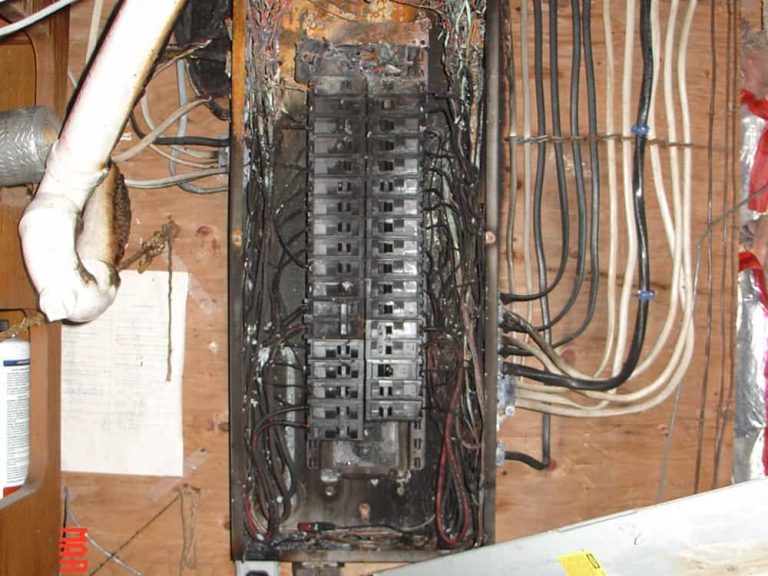
- A newer electrical panel does not prove that old attic circuits were replaced.
- Coordinate the electrical scope and insulation plan before either contractor starts.
Start with an electrical evaluation before adding insulation
You may still be able to insulate your attic, but active or unidentified knob-and-tube wiring needs attention first. Do not let insulation work proceed over wiring whose status has not been established. An electrician should determine what is present, whether it is energized, and what electrical work is needed before the affected area is covered.
This matters whether you are planning blown-in insulation, batts, or spray foam. Changing the insulation material does not resolve the underlying electrical concern.
Before your appointment, gather information you already have:
- Home inspection reports mentioning knob-and-tube or older cloth-covered wiring.
- Records of previous rewiring, including which rooms or circuits were addressed.
- The insulation contractor's proposed work area and material.
- Existing attic photos taken without approaching or disturbing wiring.
You do not need to enter an unfinished attic to investigate. Stay on established walking surfaces, and never move wires, lift insulation, or reach into cavities to get a better picture.
Treat unidentified attic wiring as potentially energized until a licensed electrician establishes otherwise.
Why knob-and-tube changes the insulation plan
Traditional knob-and-tube wiring uses separately run conductors supported by ceramic knobs, with ceramic tubes protecting some passages through wood. In an attic, those conductors may be suspended above framing or run alongside it.
The original arrangement allows surrounding air to carry heat away. Packing insulation around active conductors changes that heat dissipation. Covering the wiring also makes deteriorated insulation, questionable connections, and later alterations harder to see and reach.
Age alone does not tell you everything about a circuit's condition. Previous modifications, brittle coverings, damaged sections, and connections to newer wiring all matter. A circuit that has apparently worked for years still needs evaluation before its surroundings change.
Do not assume that a homemade wooden enclosure, a narrow gap in the insulation, or an insulation baffle solves the problem. Have the electrician and insulation contractor agree on the approach, and ask your local electrical inspector about any local requirements before relying on a proposed detail.
Insulation can conceal an electrical problem while also changing how heat escapes from the wiring.
What the electrician needs to establish
Ask how the existing wiring affects the specific area being insulated.
Which wiring is still connected?
Old wires sometimes remain after a rewire, but appearance cannot establish whether they are disconnected. An electrician needs to distinguish abandoned wiring from active circuits and account for connections that may continue into walls or ceilings.
Where do those circuits go?
A visible attic section may supply lights or outlets on the floor below. Replacing that section can require access beyond the attic. Ask the electrician to explain the affected circuit paths and any remaining uncertainties.
What needs replacement before coverage?
The scope should address the wiring in the insulation work area, its connections, and any related defects found during evaluation. A full-house rewire is not something to assume from one visible wire; equally, replacing one short section may not resolve the whole concern.
For older homes in Reading and Greater Boston, Sartell Electrical Services, Inc. provides knob-and-tube replacement and whole or partial rewires through its residential electrical services. Use the contact page to discuss the planned insulation work and ask how to share existing reports or photos.
Coordinate rewiring and insulation as one project
The simplest sequence is to resolve the electrical scope while the wiring is still accessible, then complete the insulation work once the electrical work is finished and any required local review is addressed.
- Share the insulation proposal. The electrician needs to know which attic areas, slopes, knee walls, or cavities the installer intends to cover.
- Get a defined electrical scope. Ask which circuits will be replaced, what access is needed, and whether any old wiring will remain.
- Coordinate access and outages. Find out which rooms may lose power during the work and whether ceiling or wall openings are anticipated.
- Confirm the handoff. Arrange for the electrician and insulation contractor to exchange information about remaining wiring, connections, and areas that must stay accessible.
Electrical junction boxes may be present even after old wiring is replaced. Ask the professionals how those locations will remain accessible and identifiable after the insulation is installed.
If winter weatherization is already scheduled, pause the affected attic work until the electrical concerns are resolved. Ask your contractors whether other weatherization tasks can proceed without covering or disturbing suspect wiring.
Also clarify responsibility for moving stored belongings, protecting finished rooms, and repairing access openings. Those details can affect the sequence even when the electrical scope itself is straightforward.
Give both contractors the same attic work plan so the electrical scope matches the areas being insulated.
If insulation already covers the old wiring
Finding knob-and-tube beneath existing insulation is a reason to stop disturbing the area and arrange an electrical evaluation. It does not establish the condition of every circuit, but adding more insulation before investigating would make the situation harder to assess.
Do not rake, vacuum, pull, or dig insulation away from the wires yourself. Old wire coverings can be fragile, and concealed connections may be easy to damage. Let the electrician coordinate whatever access is necessary with an appropriate insulation professional.
If the attic contains unfamiliar loose-fill material, mention that before anyone disturbs it. Some older insulation materials need specialized evaluation and handling; appearance alone cannot establish whether a material is safe to disturb.
Report any known flickering, burning odors, discolored fixtures, or repeated breaker trips when arranging the visit. Do not deliberately recreate a problem or repeatedly reset a breaker. If there is smoke, fire, or active sparking, leave the home and call 911 rather than entering the attic to investigate.
Existing insulation is not evidence that covering the wiring was safe or that the wiring is disconnected.
Keep a clear record before the attic is covered
Before insulation resumes, ask for a plain-language explanation of the completed electrical work. Keep the scope, relevant project records, and any available photos together with your home maintenance documents.
Your record should help answer these questions:
- Which attic circuits were replaced or disconnected?
- Does any active knob-and-tube remain elsewhere in the house?
- Where are connections or equipment that need future access?
- Were any areas left unresolved or excluded from the work?
- What information does the insulation installer need before returning?
Clear documentation also helps with later projects. If you eventually renovate a bedroom or replace ceiling fixtures, the next electrician will have a better starting point than an attic full of covered wiring and an uncertain project history.
Common questions
Does every knob-and-tube circuit in the house have to be replaced before attic insulation?
The necessary scope depends on the circuits involved, their condition, and the areas being insulated. An electrician should identify what must be addressed for this project and explain any old wiring that will remain elsewhere. Ask your local electrical inspector about applicable local requirements.
Does a newer breaker panel mean my knob-and-tube wiring is gone?
No. A newer panel can still supply older branch-circuit wiring. Have an electrician trace the relevant circuits rather than relying on the panel's appearance or a past service upgrade.
Can I use a voltage pen to check whether the attic wires are dead?
Do not use a homeowner tester as proof that old wiring is safe to touch or cover. Testing and tracing unfamiliar wiring should be left to a licensed electrician, especially where conductors or connections are concealed.
Is spray foam safer than blown-in insulation around knob-and-tube?
Switching insulation types does not make active knob-and-tube suitable for coverage. Spray foam can also embed wiring and complicate later access. Resolve the electrical concerns before choosing an installation detail.