
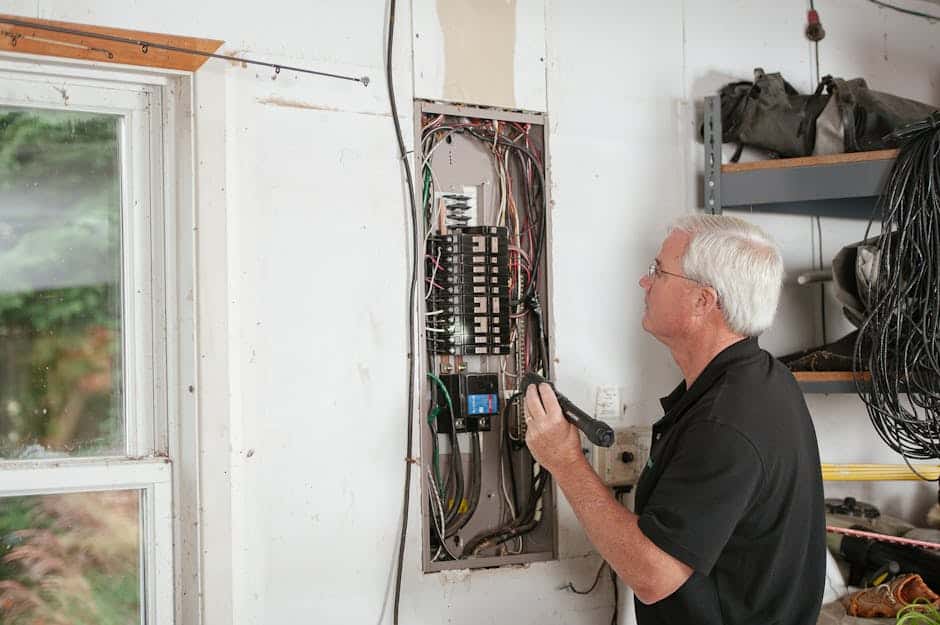
A Licensed home electrician is your first line of defense against electrical fires, code violations, and costly repairs that can put your family at risk. Understanding the difference between licensed contractors and certified electricians could save you thousands of dollars and protect your property investment.
Key Requirements for Licensed Home Electricians:
The stakes are higher than most homeowners realize. According to research, electrical work performed without a license may be up to four times more likely to result in errors, requiring expensive repairs. In many states, only Licensed Electrical Contractors can legally perform electrical work, with some exemptions for specific trades like HVAC installers.
Your handyman or general contractor cannot legally do electrical work in your home unless they hold a Licensed Electrical Contractor credential. This isn’t just a technicality – it’s about protecting your family from electrical fires, ensuring your insurance coverage remains valid, and guaranteeing work meets current safety codes.
I’m Ed Sartell, and I’ve been leading licensed electrical teams across Massachusetts since 1985 as President of Sartell Electrical Services. My four decades of experience have shown me why working with a Licensed home electrician is non-negotiable for any serious electrical project.
When it comes to your home’s electrical system, knowing who you’re hiring makes all the difference between a job done right and a potential disaster. The terms “certified electrician” and “licensed electrical contractor” might sound similar, but they represent completely different levels of authority and responsibility.

Here’s the truth: not everyone who knows how to work with wires can legally work on your home’s electrical system. State-level qualifications exist to protect you from dangerous work and ensure your family’s safety. Understanding these credentials helps you make smart decisions about who touches your electrical system.
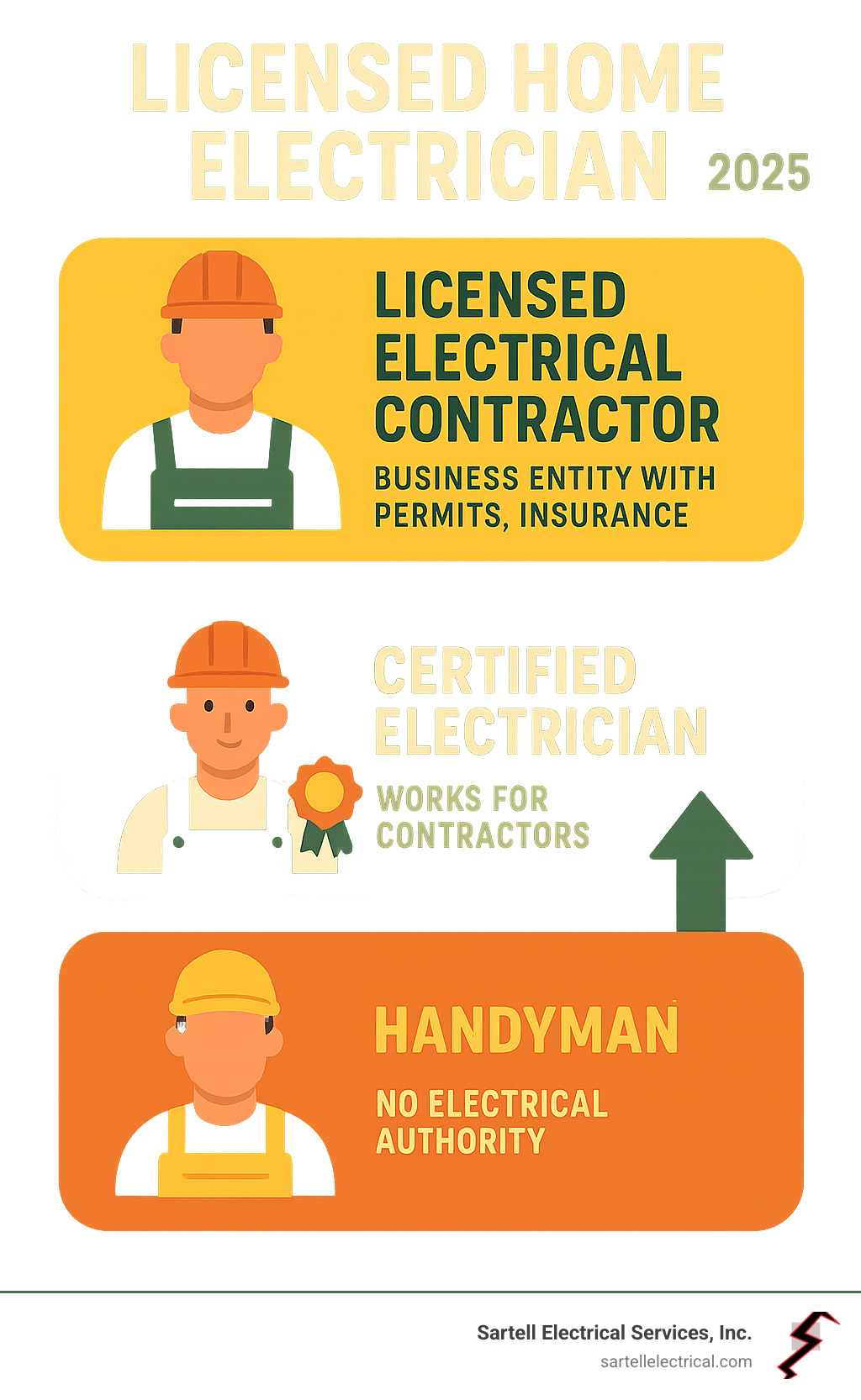
The key difference comes down to individual versus business authority. One person might have all the technical skills in the world, but only a Licensed Electrical Contractor can legally contract for electrical work in your home. Meanwhile, a Certified Electrician brings the hands-on expertise but works under a contractor’s license.
Think of a Licensed Electrical Contractor as the quarterback of your electrical project. This isn’t just one person – it’s an entire business entity that has jumped through all the legal hoops to work on your home.
What makes them special? They carry insurance that protects you if something goes wrong. They’re the ones who pull permits for your electrical work, ensuring everything meets local codes. Most importantly, they can legally contract for work, which means you have real legal protections when you hire them.
A Licensed Electrical Contractor also hires certified electricians to do the actual hands-on work. So when you hire a Licensed home electrician through a reputable contractor like Sartell Electrical Services, you’re getting both the technical expertise and the business backing that keeps you protected.
The insurance piece is huge. If a worker gets hurt on your property or something gets damaged during the work, the contractor’s insurance handles it – not your homeowner’s policy.
A Certified Electrician is the skilled professional who actually does the electrical work. These are individual professionals with serious technical qualifications earned through years of training.
Getting certified isn’t easy. Most electricians complete a rigorous apprenticeship program that combines thousands of hours of hands-on experience with classroom learning. They study electrical theory, safety codes, and local regulations. Then they must pass exams that prove they know their stuff.
But here’s the catch: even the most skilled certified electrician can’t operate independently as a contractor. They must work for a contractor who holds the business license. This system ensures that every electrical project has both the technical expertise and the business accountability you need.
When our certified electricians arrive at your home, they bring years of training and experience. But they’re backed by Sartell Electrical Services’ full licensing, insurance, and commitment to quality work.
For more details about what a Licensed home electrician can do for your home, check out our residential electrical work services page.
Hiring a Licensed home electrician isn’t just smart—it’s essential. The supposed savings from cutting corners disappear fast when things go wrong, a lesson many homeowners learn the hard way.
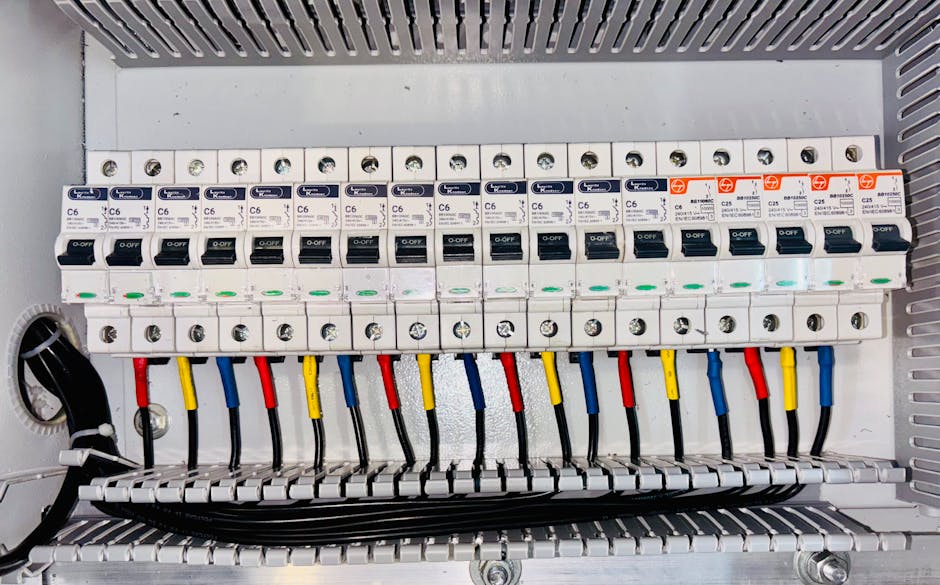
Your home’s electrical system is its nervous system; when it fails, the consequences can be devastating and expensive.
Imagine a homeowner hires an unlicensed person to save money on a new outlet. Months later, they find faulty wiring smoldering behind the walls. The minor repair costs thousands, narrowly avoiding a catastrophic fire. This scenario is common, as unlicensed electrical work is up to four times more likely to have errors leading to costly repairs.
Other significant risks include:
When you hire a Licensed home electrician, you get technical expertise and a comprehensive safety net that protects your investment and your family.
The bottom line is simple: don’t cut corners on electrical work. The risks of unlicensed work far outweigh any initial savings. Hiring a Licensed home electrician is a priceless investment in safety, quality, and peace of mind.
Finding the right Licensed home electrician for your Massachusetts home requires careful attention. The good news is that checking credentials is easy and helps you separate the pros from the pretenders.
When choosing an electrician, start with the basics. Valid licensing and insurance are your first checkpoint. Ask for their license number and verify it with the Massachusetts Board of State Examiners of Electricians. Also, request proof of liability and workers’ compensation insurance. A legitimate professional will provide these readily.
Experience is key. Companies with decades in business, like Sartell Electrical Services, have a proven track record. Look for specialists in residential work, as your home’s needs differ from commercial properties.
Check their reputation through online reviews on platforms like Google or Yelp. Look for consistent praise regarding professionalism, punctuality, and cleanliness. High ratings are a good sign.
Professional communication is crucial. Do they listen, explain things clearly, and respond promptly? These early interactions indicate how the project will be managed.
A quality Licensed home electrician provides detailed, transparent quotes breaking down all costs and offers warranties on their work because they stand behind what they do.
At Sartell Electrical Services, we believe our work speaks for itself. Feel free to view our past projects to see the quality and craftsmanship we bring to every job.
Recognizing red flags is as important as knowing what to look for.
If an electrician can’t or won’t provide a valid license number, move on. It’s a non-negotiable requirement.
If they ask you to pull the electrical permit, it’s a major red flag. In Massachusetts, this is the licensed electrician’s responsibility. Shifting this duty to you suggests they are unlicensed or avoiding accountability.
Be wary of aggressive pushes for cash payments. This can indicate they are operating off the books, leaving you without a paper trail or protection.
No written contract leaves you unprotected. A reputable electrician provides a detailed contract covering the scope of work, timeline, and costs. Avoid handshake deals for electrical work.
Avoid estimates that seem too good to be true or lack detail. Vague quotes often hide future costs. Quality work requires quality materials and skilled labor, which have a fair cost.
Trust your instincts. If something feels off, find another professional. Your home’s electrical system is too important to gamble on.
Once you’ve found a potential Licensed home electrician, it’s time to ask key questions to ensure they’re the right fit. A good contractor welcomes questions, as it builds trust and clarifies expectations.

Permits and inspections are not just bureaucracy; they are a safety net ensuring work meets current standards.
The contractor handles the permit process. In Massachusetts, the Licensed home electrician is legally required to pull the permit from the local building department. This is their responsibility, not the homeowner’s. If a contractor asks you to pull the permit, it’s a red flag indicating they may be unlicensed or avoiding accountability.
Inspections occur after the work is done. A local electrical inspector independently verifies that the installation complies with the National Electrical Code and local requirements, ensuring it’s safe.
The certificate of inspection is your proof of proper, safe work. This document is crucial for insurance and for when you sell your home.
At Sartell Electrical Services, we handle every aspect of the permitting and inspection process. We know what local inspectors look for and ensure every installation exceeds safety standards, giving you one less thing to worry about.
While some home repairs are DIY-friendly, electrical work is different. There’s a clear line between minor tasks and jobs that absolutely require a Licensed home electrician. A “quick fix” can become a dangerous, expensive problem, costing far more than hiring a professional from the start.
Recognizing your home’s electrical warning signs can protect your family and property.
We handle everything from emergency repairs to complete home electrical upgrades throughout Massachusetts. You can explore our full range of electrical services to see how we can help make your home safer and more efficient.
Some electrical projects are too complex and dangerous for anyone but a licensed professional.
The bottom line is this: electrical work isn’t the place to take risks. When you need professional electrical services, choose a Licensed home electrician who can ensure the job is done safely, correctly, and up to code.
Throughout this guide, we’ve walked through the essential differences between handymen, certified electricians, and licensed home electricians – and why these distinctions matter so much for your family’s safety. The message is clear: when it comes to your home’s electrical system, cutting corners isn’t just risky – it’s potentially dangerous.
Safety should never be negotiable. Every time you flip a switch, plug in an appliance, or charge your phone, you’re trusting that the electrical work in your home was done correctly. A licensed home electrician brings more than just technical skills to your project. They bring insurance protection, legal accountability, and the expertise to ensure every wire meets current safety codes.
We’ve covered the critical risks of hiring unlicensed workers, from voided insurance claims to dangerous fire hazards. We’ve also shown you how to verify credentials, spot red flags, and ask the right questions during the hiring process. Knowledge is your best protection when choosing an electrical professional.
At Sartell Electrical Services, we understand that your home is your sanctuary. For over 30 years, we’ve been helping families across Massachusetts – from Reading to the greater Boston area – keep their homes safe with reliable, compliant electrical work. Our commitment to excellence means we handle everything from permits to inspections, so you don’t have to worry about the details.
Peace of mind comes from making informed decisions. When you choose a qualified licensed home electrician, you’re investing in your home’s long-term safety and your family’s protection. Whether you need a simple repair, a panel upgrade, or complex rewiring, professional electrical work pays for itself through safety, reliability, and code compliance.
Don’t take chances with your home’s electrical system. The small savings from hiring unlicensed workers pale in comparison to the potential costs of fires, failed inspections, or voided insurance coverage.
Ready to ensure your electrical work is done right the first time? Contact us for your residential electrical needs and let our experienced team provide the safe, professional service your home deserves.

236 Ash St Reading, MA 01867
(By Appointment Only)
