Building electrical maintenance: Essential 2025 Safety.
Why Building Electrical Maintenance is Critical for Your Business
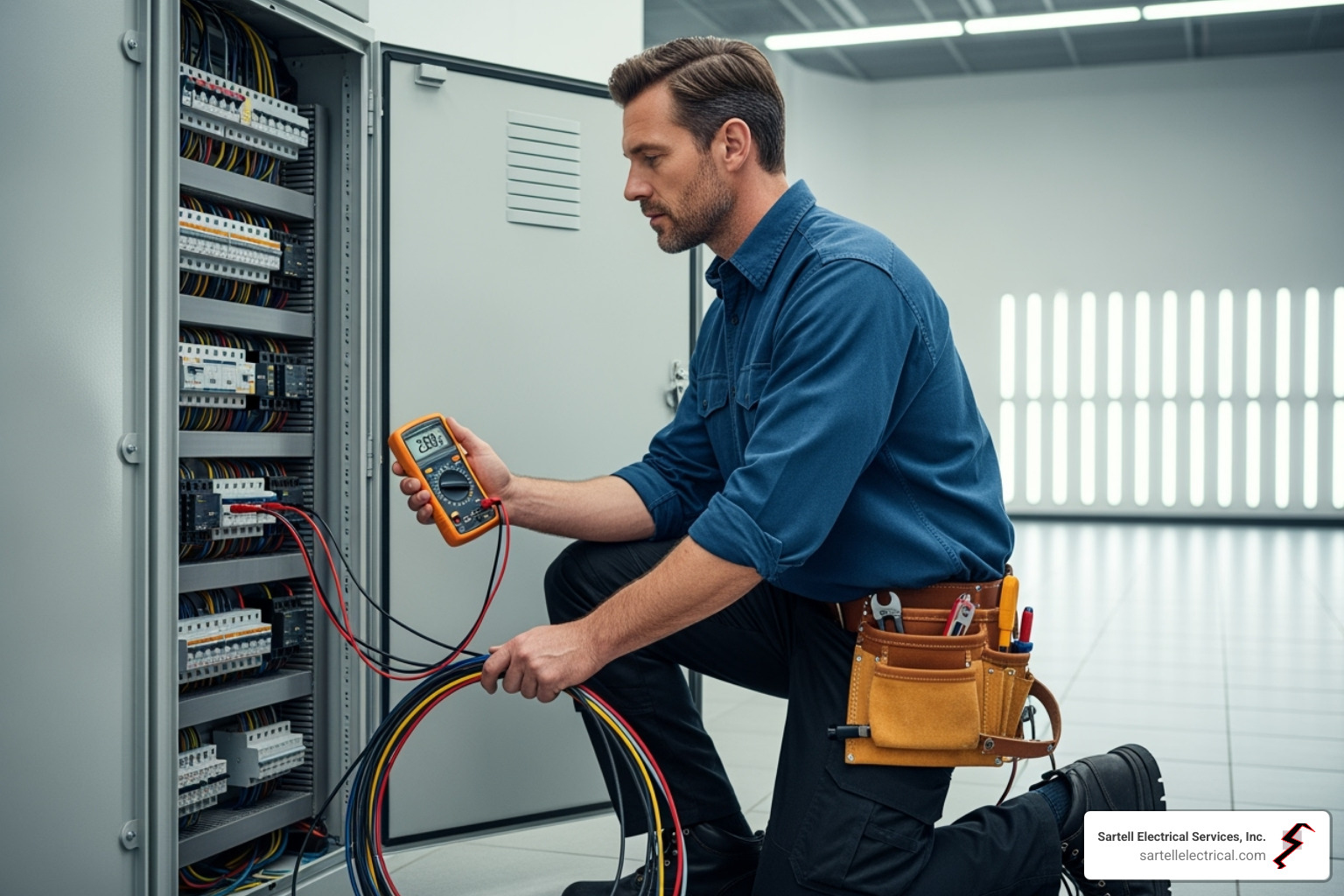
Building electrical maintenance involves the regular inspection, testing, and upkeep of electrical systems to ensure they remain safe, reliable, and efficient.
Core Maintenance Tasks:
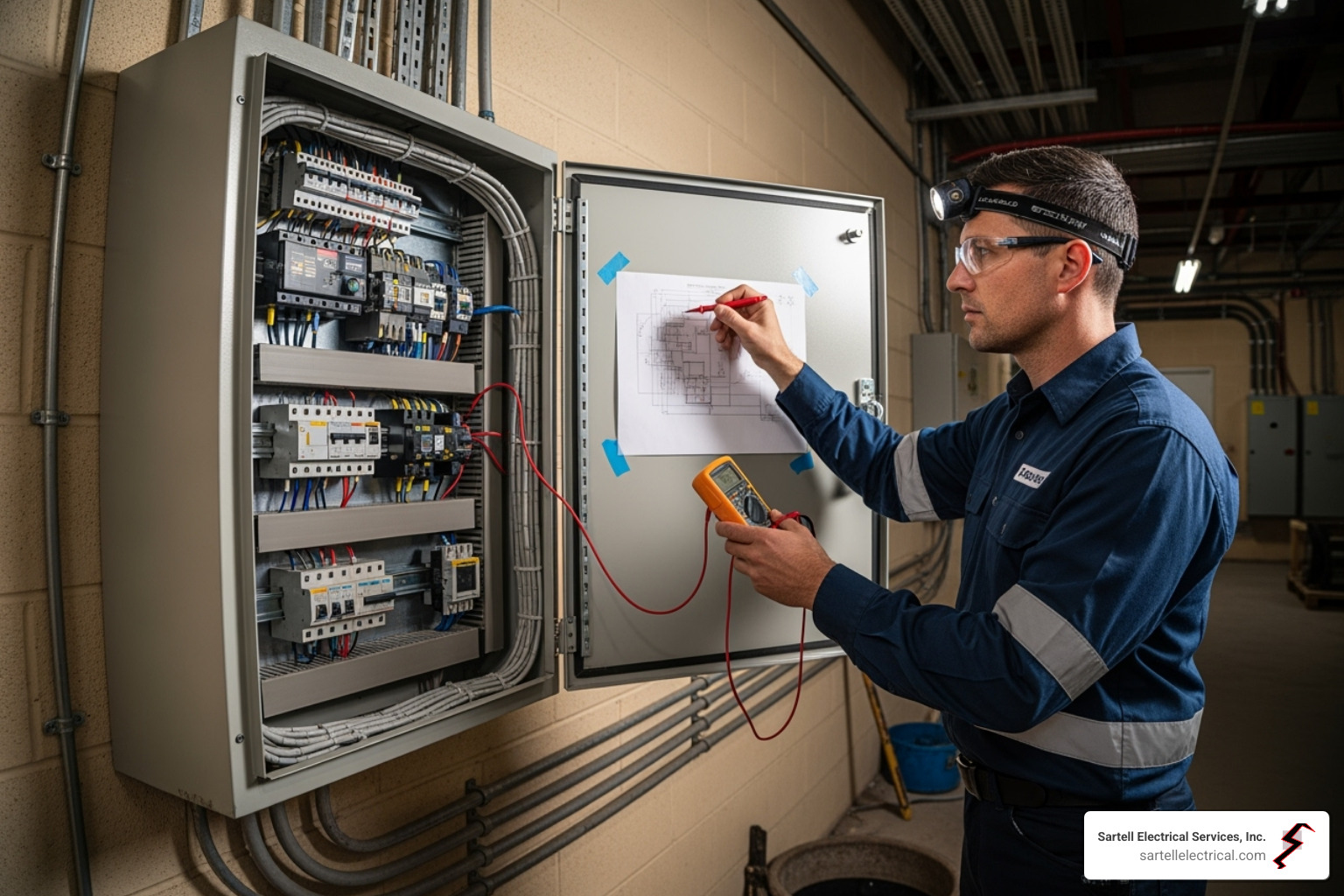
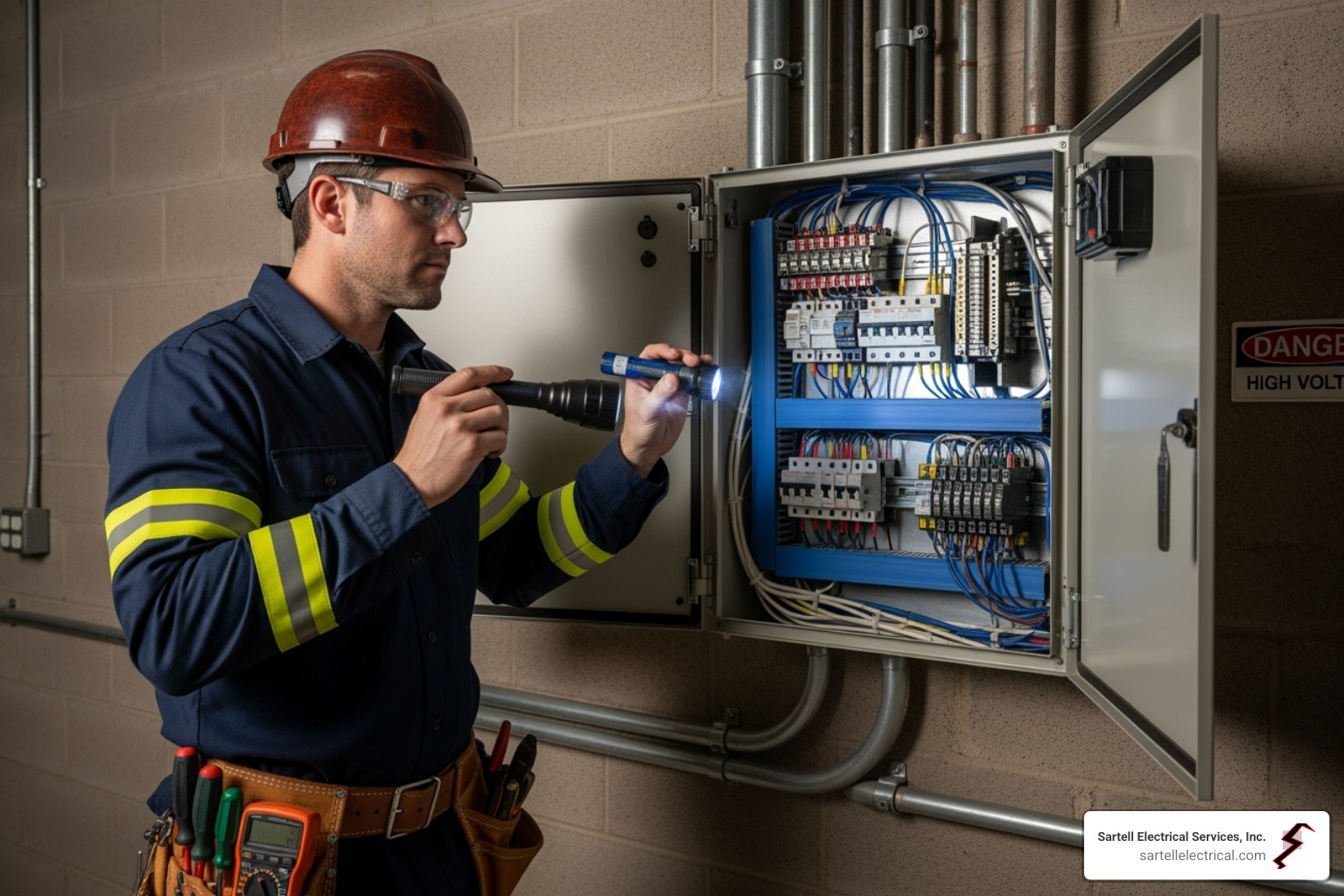
Visual inspections of panels, wiring, and connections
Testing circuit breakers and protective devices
Cleaning electrical components and removing debris
Tightening connections and checking for overheating
Verifying grounding systems and emergency lighting
Key Benefits:
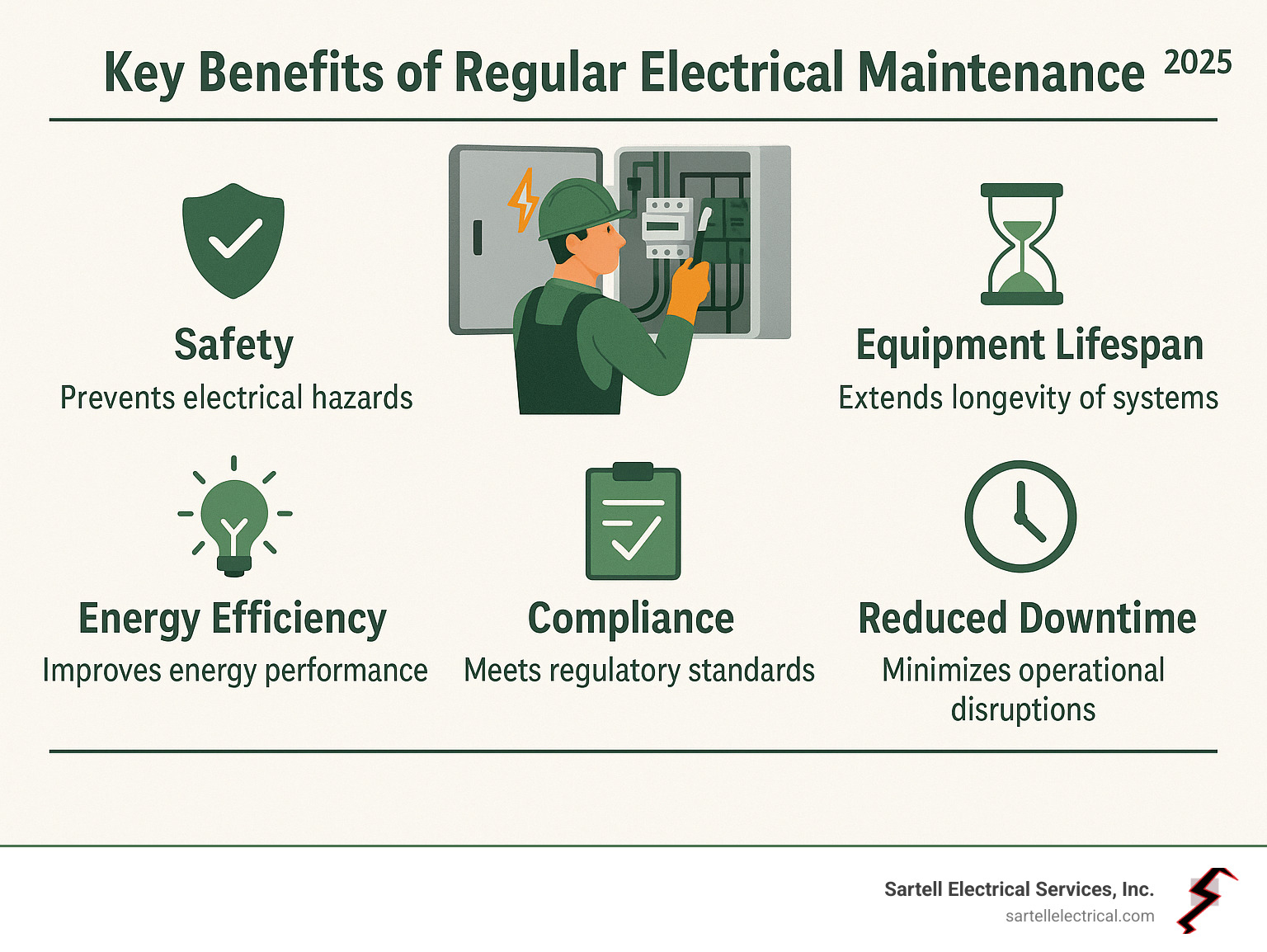
Safety: Prevents electrical fires, shocks, and arc flash incidents.
Cost Savings: Reduces emergency repairs and equipment replacement costs.
Compliance: Meets NEC codes and insurance requirements.
Efficiency: Maintains optimal system performance and energy use.
The stakes are particularly high for commercial and industrial facilities where complex electrical systems power everything from HVAC units to manufacturing equipment. An unexpected system failure can lead to catastrophic results, including extended downtime, high repair costs, and serious safety hazards.
Research shows that the failure rate of electrical equipment is three times higher for components not part of a scheduled maintenance program. This makes proactive maintenance a business necessity, not just a best practice. For facility managers, the question isn’t whether to maintain electrical systems—it’s how to do it effectively.
What is Building Electrical Maintenance and Why is it Non-Negotiable?
Building electrical maintenance is the systematic process of inspecting, testing, servicing, and repairing electrical systems to ensure they operate safely and efficiently. This proactive approach, performed by licensed professionals familiar with the National Electrical Code (NEC), identifies wear, damage, and potential issues before they escalate into costly emergencies.
Regular maintenance is non-negotiable for several key reasons:
System Reliability: It prevents unexpected failures and costly operational shutdowns.
Safety Compliance: It mitigates risks of fire, electrocution, and injury, protecting people and property as required by Worksite safety regulations.
Energy Efficiency: Well-maintained systems consume less energy, lowering utility bills.
Asset Lifespan: It extends the life of expensive electrical equipment, protecting your investment.
Insurance Requirements: Many policies mandate regular maintenance to maintain coverage.
The Critical Benefits of a Regular Maintenance Program
A well-planned program delivers compounding benefits:
Reduced Downtime: Catching problems early prevents unexpected failures that halt operations.
Lower Repair Costs: Proactive fixes are far cheaper than emergency repairs and equipment replacement.
Improved Safety: Regular inspections significantly reduce the risk of electrical fires, shocks, and arc flash incidents.
Better Performance: Well-maintained systems support peak productivity with fewer glitches.
Energy Savings: Efficient systems use less power, lowering utility bills.
Regulatory Compliance: It ensures you meet NEC standards and local codes, avoiding penalties.
Increased Property Value: A well-maintained electrical system is a key asset for potential buyers or tenants.
Peace of Mind: Knowing your systems are safe and reliable lets you focus on your business.
Red Flags: Common Signs Your Electrical System Needs Attention
Your electrical system often provides warning signs before a major failure. Contact a professional immediately if you notice any of these red flags to prevent dangerous and costly emergencies:
Flickering or Dimming Lights: Persistent flickering can indicate overloaded circuits or loose connections.
Frequently Tripped Breakers: This points to overloaded circuits, short circuits, or ground faults.
Hot Outlets or Switch Plates: Heat is a sign of excessive current or faulty wiring and is a serious fire hazard.
Burning Smells: A distinct burning odor from outlets or panels suggests overheating wires and requires immediate action.
Buzzing or Crackling Sounds: These noises often indicate loose wiring or dangerous arcing that can lead to a fire.
Damaged or Frayed Wiring: Exposed wires are a clear shock and fire hazard that need prompt repair.
Outdated Wiring: Older systems, like those with aluminum wiring, can deteriorate and create fire risks.
Overloaded Power Strips: Relying on extension cords and power strips signals a need for more dedicated outlets.
A Comprehensive Electrical Maintenance Checklist
A comprehensive building electrical maintenance plan is like a physical exam for your property’s electrical system, designed to catch problems before they become emergencies. While every building’s needs vary based on system complexity and usage, a thorough plan covers core components and tasks that form the foundation of any effective program.
Key Components and Systems to Inspect
A comprehensive inspection covers every critical piece of your electrical system.
Electrical Panels and Distribution Boards: Inspected for corrosion, loose connections, proper labeling, and signs of overheating.
Circuit Breakers and Fuses: Tested to ensure they trip correctly to prevent overloads. Breakers should be exercised annually to prevent seizing.
Transformers: Cleaned, with oil levels checked for leaks and unusual noises. Transformer and vault cleaning is recommended every 2-3 years.
Switchgear, Wiring, and Conduits: Checked for wear, damage, and deterioration to ensure connections are tight and meet safety standards.
Grounding Systems: Inspected for corrosion and tested to ensure proper protection.
Lighting Systems: All interior, exterior, and emergency lighting is checked. Emergency and exit light battery backups are tested.
Motors and Controls: Inspected for wear, high operating temperatures, and unusual sounds.
Backup Power: Generators and Uninterruptible Power Supply (UPS) systems are tested to ensure they function reliably during an outage.
Fire Alarm and Solar Panel Systems: Electrical components are inspected. Regular solar panel maintenance can boost energy production by up to 15%.
Our Commercial Electrical Services team has the expertise to maintain all these critical components for Massachusetts businesses.
A Practical Building Electrical Maintenance Checklist
A typical maintenance visit includes several key actions:
Visual Inspections: Checking all equipment for wear, damage, overheating, or corrosion and verifying that all circuits are properly labeled.
Cleaning Components: Removing dust and debris that can cause overheating and premature failure.
Tightening Connections: Securing all electrical connections to prevent heat buildup, a common cause of failure.
Testing Protective Devices: Ensuring GFCIs and AFCIs work correctly to prevent shocks and fires.
Verifying Grounding: Checking grounding and bonding systems for corrosion and proper connections.
Transformer Maintenance: Inspecting oil levels, checking for leaks, and ensuring cooling systems are functional.
Circuit Breaker Exercising: Manually tripping breakers annually to prevent them from seizing.
Cable and Wiring Inspection: Looking for insulation damage or wear and ensuring connections are secure.
Emergency System Testing: Confirming that emergency and exit lighting will operate during a power outage.
Power Quality Analysis: Monitoring for voltage sags, harmonics, and other disturbances that can damage sensitive electronics.
For a more detailed breakdown, you can refer to this Electrical Preventative Maintenance Checklist.
The key to effective maintenance is consistency. Regular attention to these tasks keeps your electrical system running safely and efficiently, preventing the costly surprises that come with neglect.
Strategic Approaches and Modern Tools for Electrical Maintenance
For building electrical maintenance, the right strategy and tools make all the difference. A proactive approach is far superior to simply fixing things as they break, especially given the high stakes of electrical system failure.
Comparing Maintenance Strategies
Different maintenance approaches offer various levels of protection and efficiency.
Run-to-Failure (Reactive Maintenance): This “break-fix” model seems cheap initially but leads to emergency repairs, unplanned downtime, and serious safety hazards.
Preventive Maintenance: This common-sense approach involves scheduled inspections and tasks based on time intervals. It significantly reduces breakdowns but can sometimes result in unnecessary maintenance or miss developing issues.
Predictive Maintenance: This advanced strategy uses real-time data from sensors and thermal imaging to predict when maintenance is actually needed, optimizing schedules and preventing failures before they occur.
Reliability-Centered Maintenance (RCM): This gold-standard, risk-based approach focuses maintenance on the most critical components, maximizing reliability while minimizing costs. It requires significant upfront planning but delivers the best results.
Highest long-term cost; unplanned downtime; safety hazards; equipment damage; emergency repairs; no operational continuity; obviously not ideal.
Preventive Maintenance (PM)
Time/Usage-Based
Reduces breakdowns; extends asset life; improves safety; planned downtime; much smarter than waiting for something to break.
Can be inefficient (maintenance performed too early); doesn’t predict actual failure; might miss issues between scheduled checks.
Predictive Maintenance (PdM)
Condition-Based (data)
Optimizes maintenance schedule; reduces downtime; extends asset life; higher efficiency; detects issues before they become problems; leverages real-time data.
Requires specialized tools/sensors; higher initial investment; data analysis expertise needed.
Reliability-Centered Maintenance (RCM)
Risk-Based
Most effective; maximizes reliability; reduces risk; improves safety; lowers repair costs; focuses on critical assets.
Complex to implement; requires significant data and expertise; resource-heavy.
How Technology is Revolutionizing Building Electrical Maintenance
Modern technology has transformed electrical maintenance, enabling precise, predictive, and optimized care.
Thermal Imaging: Infrared cameras detect heat signatures invisible to the naked eye, revealing loose connections or overloaded circuits before they fail. We recommend infrared surveys every 1 to 3 years.
Computerized Maintenance Management Systems (CMMS): This software helps organize and track all maintenance activities, from work orders to asset history, ensuring nothing is missed.
IoT Sensors: Smart devices provide continuous, real-time monitoring of temperature, vibration, and power quality, allowing technicians to detect anomalies as they happen.
Power Quality Analyzers: These tools diagnose issues like voltage sags and harmonics that can damage sensitive electronics over time.
Drones: For large facilities, drones provide a safe and efficient way to inspect hard-to-reach equipment like rooftop solar panels or external transformers.
Digital Record-Keeping: Comprehensive digital logs of all maintenance activities are invaluable for warranty claims, insurance, and long-term planning.
Our commitment to leveraging these advanced technologies improves our Industrial Electrical Services, allowing us to provide superior maintenance and ensure the reliability of even the most complex systems.
Safety Protocols and Professional Qualifications
When it comes to building electrical maintenance, safety is paramount. Working with electricity involves inherent dangers like electrocution, severe burns, and life-threatening arc flash incidents—an explosive energy release hotter than the sun’s surface. Proper safety protocols are non-negotiable to prevent these hazards.
As a Massachusetts-based contractor, we are deeply familiar with state electrical codes and regulations. Every job meets or exceeds these standards to ensure your safety and compliance. For more details on these requirements, you can reference More about Massachusetts electrical code.
Essential Safety Protocols During Maintenance
Our technicians follow strict, non-negotiable safety protocols on every job.
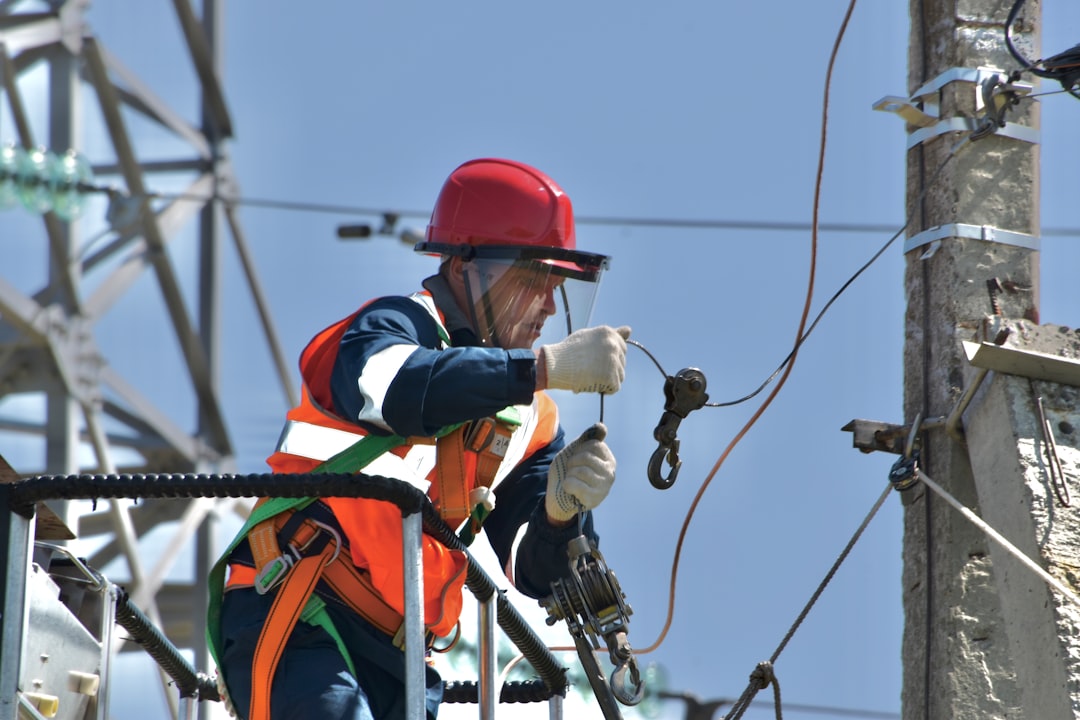
Personal Protective Equipment (PPE): We always use the right gear, including insulated gloves, safety glasses, arc-rated clothing, and non-conductive footwear.
Lockout/Tagout (LOTO) Procedures: Before work begins, we physically lock electrical systems in the “off” position and tag them to prevent accidental re-energization.
De-energizing Equipment: We de-energize equipment whenever possible. Live work is only performed under strict, controlled conditions when absolutely necessary.
Safe Work Boundaries: We establish clear work zones to keep unauthorized personnel away from potential hazards.
Insulated Tools: Using insulated tools provides an extra layer of protection against electrical shock.
Fire Safety: We keep Class C fire extinguishers, designed for electrical fires, readily available.
Why You Must Hire a Qualified Electrical Professional
Electrical work is not a DIY project. The risks of using unqualified personnel are enormous and include:
Code Violations: Leading to fines and expensive rework.
Voided Warranties: On expensive equipment due to improper service.
Increased Liability: Property owners can face legal and financial consequences if an accident occurs due to faulty maintenance.
Incomplete or Incorrect Repairs: Unqualified individuals often fix symptoms, not root causes, leading to recurring problems.
Severe Safety Hazards: The risk of shock, fire, and injury skyrockets when proper procedures are ignored. As one industry expert put it, “Unqualified personnel risk injury, death, or property damage.”
When you choose Sartell Electrical Services, you’re partnering with a team that’s been serving Massachusetts for over 30 years. We’re fully licensed, deeply experienced, and committed to excellence in every aspect of our work. Your safety and peace of mind are worth the investment in qualified professionals.
Ready to ensure your electrical systems are in expert hands? Contact Us today, and let’s discuss how we can keep your facility safe and compliant.
Frequently Asked Questions about Building Electrical Maintenance
When it comes to building electrical maintenance, we understand that property owners and facility managers have many questions. Over our 30+ years of experience, we’ve heard them all! Here are the most common concerns we address:
How often should electrical maintenance be performed?
The ideal frequency depends on equipment type, age, environment, and criticality. However, general guidelines based on NEC and NFPA 70B recommendations include:
Infrared Thermography Surveys: Every 1 to 3 years to spot hidden issues like overheating components.
Transformer and Vault Cleaning: Every 2 to 3 years for system reliability.
Circuit Breaker Exercising: Annually to prevent them from seizing up.
The best approach is a custom maintenance schedule created by a licensed electrician based on your facility’s specific needs. A manufacturing plant will require a different schedule than an office building.
How does commercial maintenance differ from residential?
The difference is significant and comes down to three main factors:
Complexity: Commercial properties use complex three-phase power systems, higher voltages, and specialized equipment like large transformers and switchgear.
Code Requirements: Commercial facilities are subject to stricter codes, including NFPA 70E for workplace electrical safety, due to higher risks.
Impact of Downtime: A residential outage is an inconvenience; a commercial outage can halt production, cause data loss, and result in thousands of dollars in losses per hour.
Commercial maintenance requires specialized expertise to prevent these catastrophic business disruptions.
What is the most critical part of an electrical maintenance program?
The most critical element is a proactive approach centered on safety and early detection.
Safety is always the top priority, involving strict adherence to protocols like Lockout/Tagout. Beyond that, the key is being proactive rather than reactive. Regularly scheduled inspections and a clear strategy (preventive, predictive, or RCM) are essential for identifying issues before they become catastrophic failures.
Successful programs view maintenance as an investment, not an expense. Combining a proactive mindset with data-driven tools like thermal imaging protects your operation, employees, and your bottom line.
Conclusion
Building electrical maintenance is not about fixing things as they break; it’s a strategic investment that protects your business, people, and bottom line. Ignoring warning signs like flickering lights or tripping breakers is like ignoring chest pains—the risk isn’t worth it.
A proactive maintenance strategy using regular inspections and modern diagnostic tools prevents disasters. It ensures your systems are safe and compliant, optimizes energy use, and prevents costly, unexpected downtime. A reactive “wait and see” approach inevitably leads to emergency repairs and safety incidents, which are far more expensive than prevention.
For over 30 years, Sartell Electrical Services has helped Massachusetts businesses protect their electrical investments. We create custom maintenance programs custom to the unique needs of each facility, from small offices to large industrial plants. Our experienced team uses cutting-edge technology to keep your operations running smoothly, safely, and reliably.
When it comes to electrical safety and reliability, you deserve a partner who is as committed to your success as you are.